Gabon’s political shake-up: former pm bilie-by-nze detained
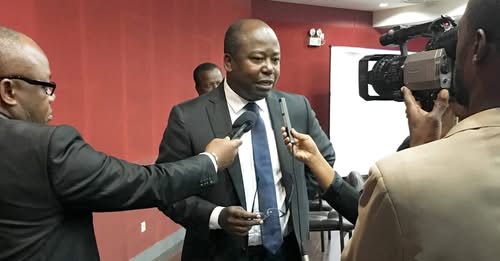
Gabon’s political landscape has grown increasingly volatile following a high-profile arrest. On April 15, 2026, Alain-Claude Bilie-By-Nze, a key figure in the ousted regime of former President Ali Bongo Ondimba, was taken into custody and subsequently remanded in detention. The move represents a significant escalation in the transitional authorities’ crackdown, initiated after the August 2023 coup that ended Bongo’s decades-long rule. Serious allegations surface Bilie-By-Nze, who served as Prime Minister under Bongo’s administration, now faces serious allegations of misconduct tied to his public service record. Judicial sources reveal the following…

Read More

How Patrice Talon turned benin into a paved nation

When discussing Patrice Talon’s legacy in Benin, one achievement towers above the rest: roads. Over the past decade, the president has reshaped the nation’s infrastructure from the ground up. Dusty paths have been replaced by smooth asphalt, and crumbling streets now lead to thriving communities. Whether in bustling Cotonou or remote villages, Talon’s infrastructure revolution has put progress within reach for every Beninese citizen. As his term nears its end, his most visible accomplishment is undeniable—the transformation of Benin’s road network. In 2016, Patrice Talon inherited a country where broken…

Read More

Benin pursues kemi seba extradition for national security threats

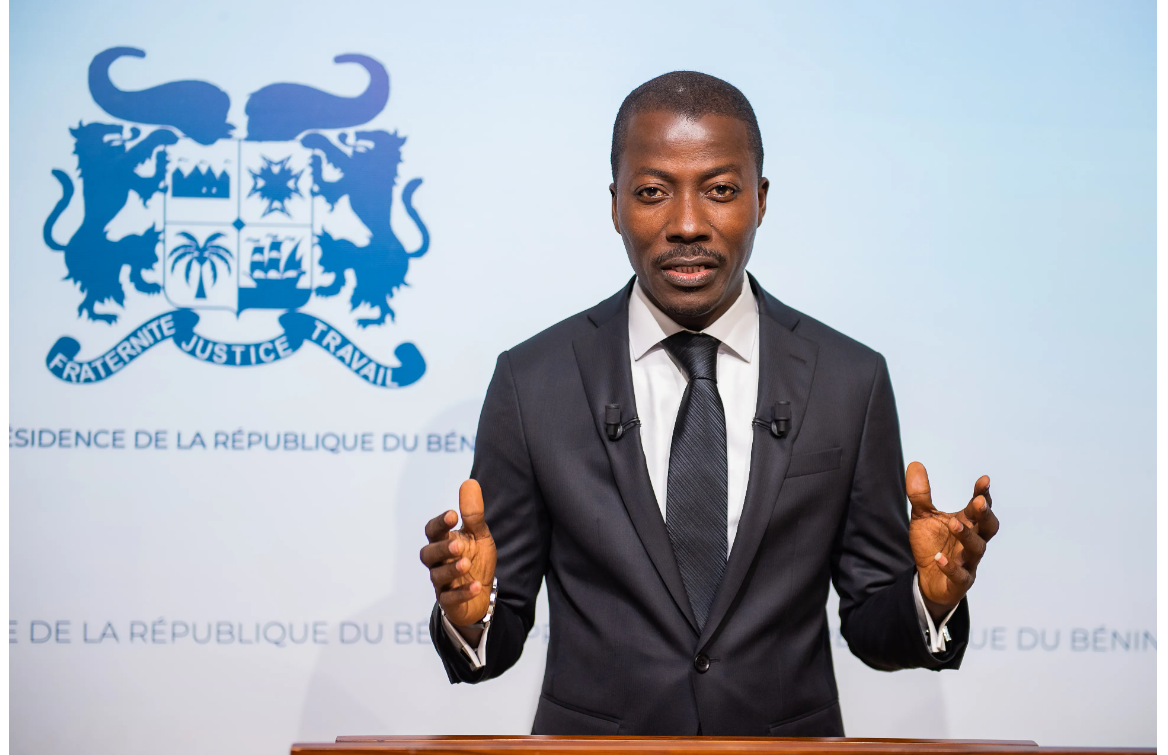
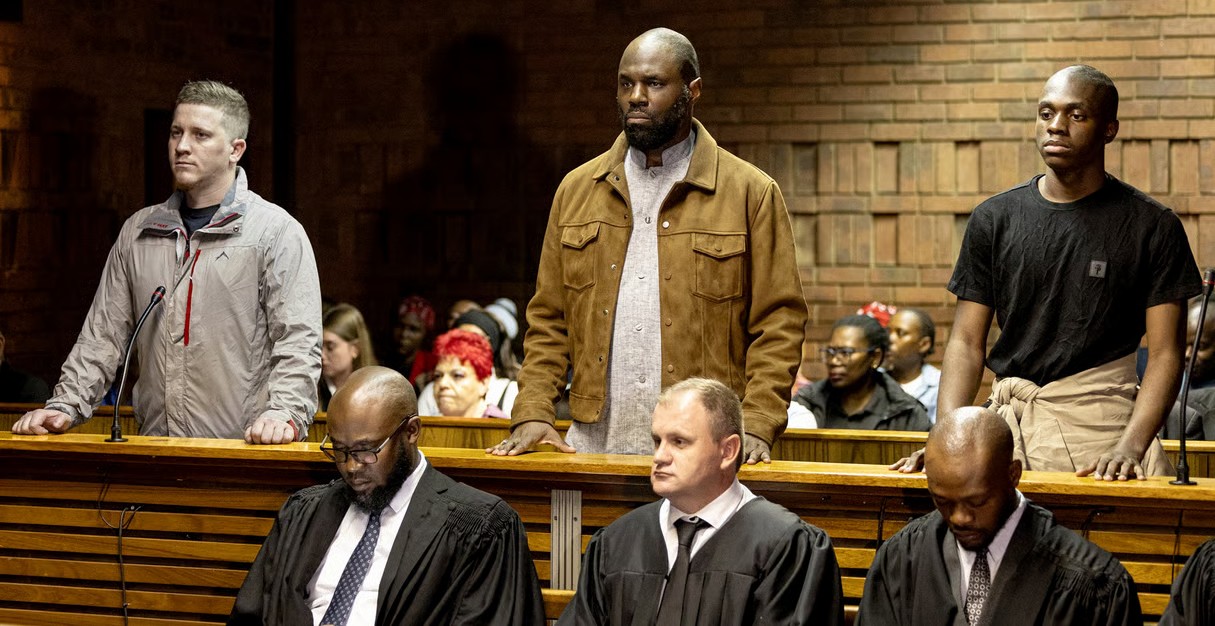
Following the arrest of activist Kemi Seba—legally known as Robert Gilles Stellio Capo Chichi—in Pretoria, the government of Benin has officially addressed the situation. During a recent cabinet meeting, government spokesperson Wilfried Léandre Houngbédji conveyed a tone of quiet resolve, remarking with measured confidence: « The heavens themselves have settled our debates. » Why Benin is demanding his return While diplomatic reactions are expected in such cases, Benin has gone further by detailing the legal and national security grounds for its extradition request. Authorities allege that Kemi Seba has repeatedly…

Read More

Mali’s sovereignty crisis after opposition-led hostage release

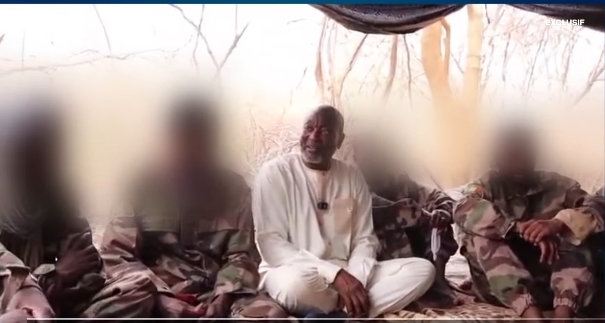
How a political exile reshaped Mali’s security landscape In a striking display of private mediation, a photograph circulating across Malian social media has laid bare the fragility of Bamako’s authority. The image shows opposition leader Oumar Mariko, living in exile, standing alongside 17 recently freed hostages. The captives had been held by the Group for the Support of Islam and Muslims (JNIM), Al-Qaeda’s Sahel affiliate. While the release brings relief to families, it also exposes a troubling truth: the Malian state’s inability to secure its own people. When the state…

Read More

Senegal’s pastef party undergoes major restructuring under sonko

In Senegal, the Pastef party is undergoing a significant overhaul of its internal operations, led by its prominent figure, Ousmane Sonko. This strategic move is part of a broader effort to enhance the party’s institutional strength, ensuring it meets the evolving demands of modern political governance. The announced restructuring spans multiple layers of the party’s hierarchy, including leadership bodies and operational units. It encompasses fresh appointments, a clear redistribution of duties, and a sharper delineation of responsibilities across all party organs. By implementing these changes, Pastef aims to streamline internal…

Read More

Algeria’s alleged role in Sahel terrorism fuels tensions with Mali and Niger

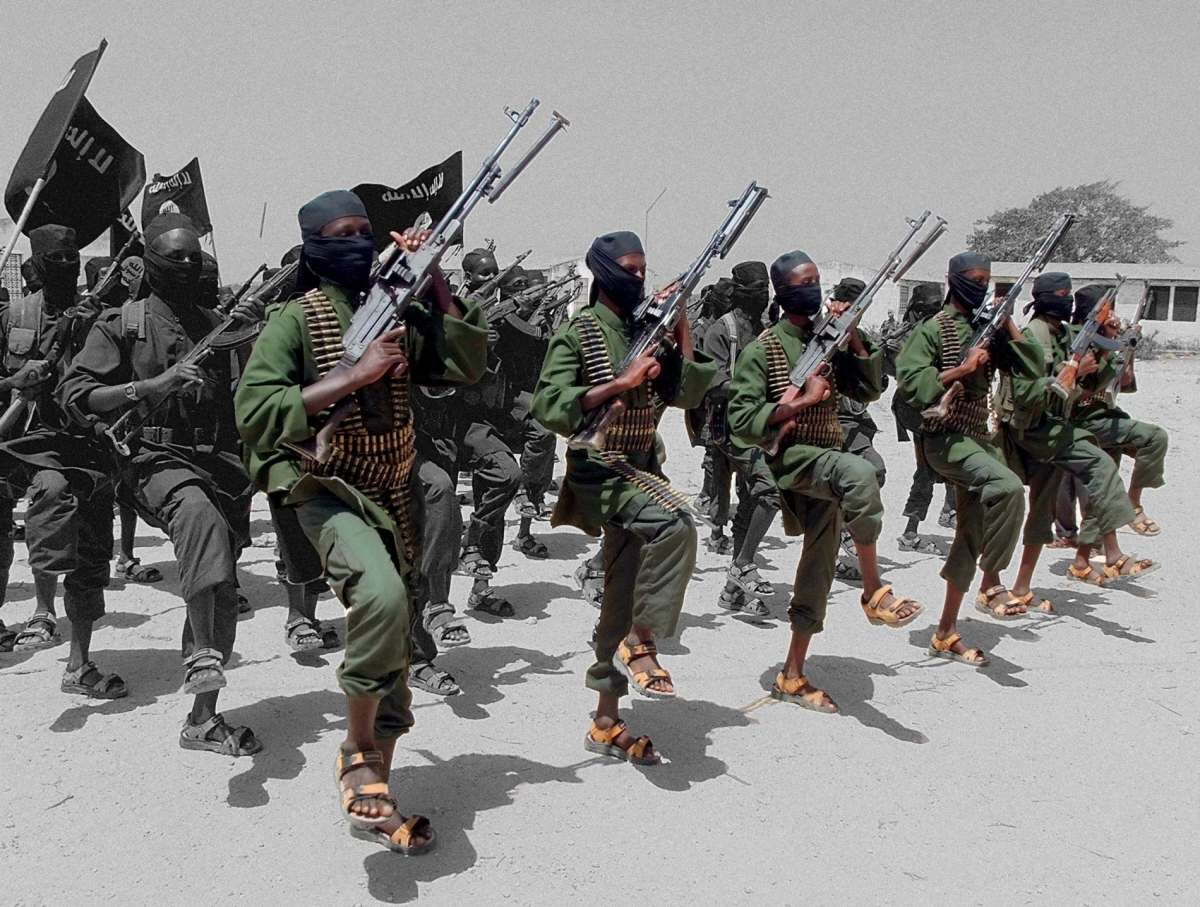
Mali and Niger have reignited long-standing claims that Algeria is fueling terrorism across the Sahel by providing safe havens, logistical aid, and indirect backing to armed factions operating south of its borders. While Malian and Nigerien officials refrained from directly pointing fingers at Algeria during a regional security gathering in Senegal this week, their remarks closely mirrored prior accusations from Bamako. For months, Mali has alleged that Algiers has evolved into a strategic rear base for terrorist and separatist networks active in northern Mali. “Certain neighboring states are currently harboring…

Read More

Burkina Faso’s junta struggles with food crisis amid failed self-sufficiency claims

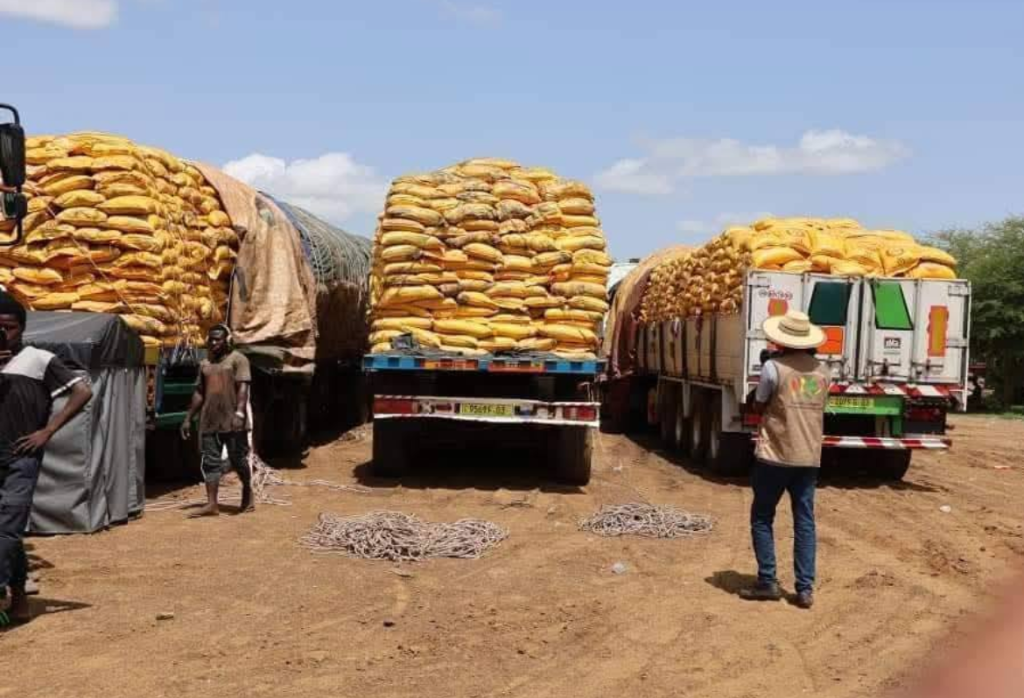
Despite Captain Ibrahim Traoré’s bold declarations about achieving food self-sufficiency, Burkina Faso remains heavily reliant on humanitarian aid to feed its population. Recent shipments of rice from Pakistan, China, and Canada highlight the stark gap between political promises and ground reality, as the military-led government fails to address a worsening food crisis. Humanitarian aid exposes military governance failures The arrival of 2,422 tons of Pakistani rice—celebrated in a public ceremony—underscores the Burkina Faso food crisis and the transitional authorities’ inability to stabilize the nation’s food supply over three years after…

Read More

The blurred line between journalism and activism in political reporting

Journalism and activism serve distinct purposes, yet their boundaries often blur in modern reporting. Nowhere is this overlap more evident than in the work of Thomas Dietrich, a figure whose career blurs the line between investigative journalism and political crusading. Dietrich, widely labeled as a Franco-African relations expert, has shifted from mere documentation to active prosecution. His approach no longer aligns with traditional journalism’s core principles—verification, context, and critical distance. Instead, his narratives take on the tone of a prosecutor’s indictment, a mob’s denunciation, or a rumor’s sensationalism. The result?…

Read More

Kémi séba’s downfall: the fading panafricanist alliance

Kémi Séba’s recent arrest in South Africa and the looming extradition request to Benin have exposed a stark reality: the once-vibrant panafricanist movement is rapidly abandoning him. While his loyal followers denounce what they call a coordinated persecution, the conspicuous silence from former allies like Nathalie Yamb and Franklin Nyamsi speaks volumes about the shifting tides in African activism. a deafening silence from former supporters Historically, any legal trouble involving prominent figures in the panafricanist sphere would trigger a storm of social media outrage, live broadcasts, and fiery press releases.…

Read More

Kémi séba in south africa: scrutinizing his detention and controversial alliances

Currently held in Pretoria following his apprehension for alleged immigration violations, the prominent pan-Africanist figure, Kémi Séba, has vehemently denounced what he describes as political persecution. However, beneath the surface of his sovereignty-focused discourse, our investigation uncovers a web of clandestine and unsettling alliances, stretching from Russian influence operations to factions within white supremacist movements. The arrest that ignites online discourse From his South African cell, Kémi Séba’s indignation remains palpable. The Franco-Beninese activist characterizes his arrest as merely another “cabal,” purportedly orchestrated by adversaries—specifically, France and the Beninese government—to…

Read More

Togo’s evolving strategy in the Sahel crisis

The Togo has positioned itself as a potential mediator between military-led nations in the Sahel—Mali, Niger, and Burkina Faso—and the international community, unveiling a refreshed approach to regional security challenges. Speaking on April 18, Robert Dussey, Togo’s Foreign Minister, emphasized the urgency of this strategy, noting the Sahel’s escalation into a hotspot for jihadist violence threatening regional stability. Three strategic pillars for Sahel stability Togo’s renewed diplomatic framework rests on three core pillars: Regional collaboration: Strengthening partnerships to uphold peace and security across the Sahel. Peace facilitation: Taking a proactive…

Read More

Military crackdown on civil society in Burkina Faso intensifies

Burkina Faso’s Military Regime Tightens Grip on Civil Society with Harsh Measures The military government in Burkina Faso is escalating its suppression of civil society through restrictive laws, administrative pressures, and punitive actions targeting both national and international organizations, according to reports from Human Rights Watch, the International Federation for Human Rights (FIDH), and the World Organisation Against Torture (OMCT) under the Observatory for the Protection of Human Rights Defenders and Kisal Observatory. Activists urge the junta to immediately halt its crackdown on independent voices and humanitarian groups while upholding…

Read More