Enhanced military cooperation as terrorism spreads across West Africa
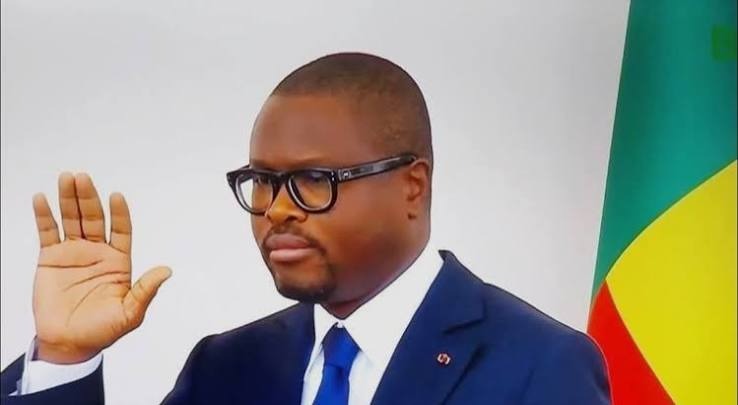
In response to the escalating threat posed by armed groups across West Africa, Benin and Nigeria are deepening their collaborative security framework. A high-level military delegation led by Nigeria’s Defence Minister, General Christopher Gwabin Musa, met with his Beninese counterpart, Gildas Agonkan, in Cotonou on August 4, 2026. This high-stakes gathering signals a pivotal shift toward a more robust and coordinated regional defence strategy.
A symbolic visit underscoring shared urgency
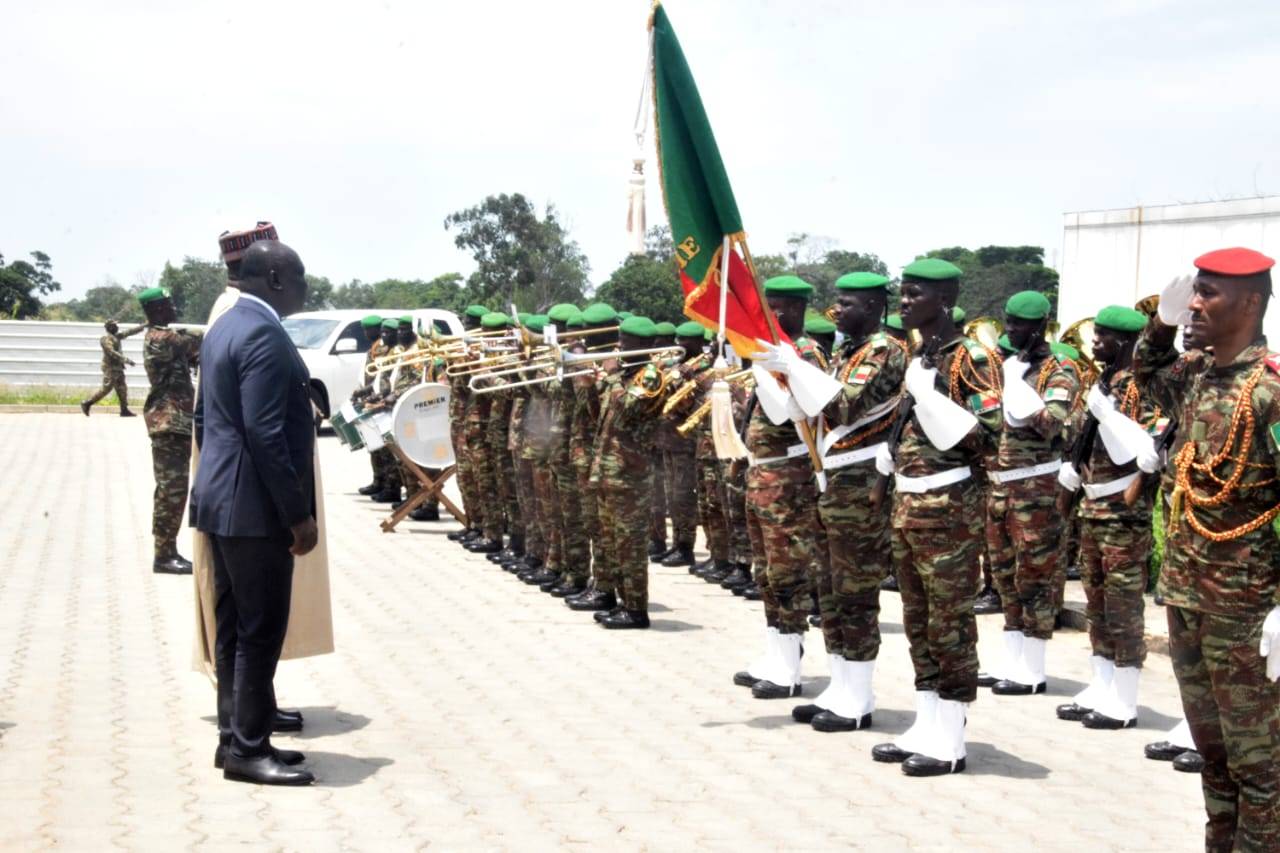
The visit was not merely ceremonial—it underscored the gravity of the regional security crisis and the pressing need for unified action. General Musa’s presence in Cotonou, a key figure in Nigeria’s security apparatus, reinforced the seriousness of the situation. Before formal talks began at the Ministry of Defence, the delegation visited Togbin military barracks, where they met Nigerian troops deployed to participate in Benin’s 66th Independence Day celebrations. This gesture highlighted the deep historical, cultural, and geographical ties binding both nations.
The subsequent working session at the defence ministry focused on translating long-standing diplomatic solidarity into a tangible operational shield capable of countering the expanding reach of jihadist movements.
The spreading shadow of terrorism: A cross-border menace
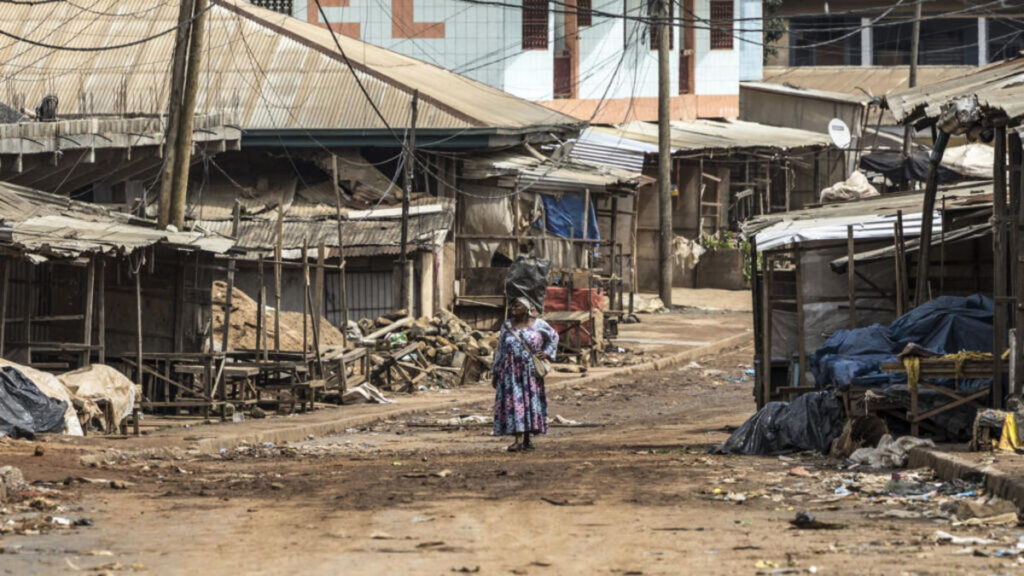
The Sahel and Gulf of Guinea are experiencing unprecedented instability. Over recent years, non-state armed groups and factions linked to Al-Qaeda and the Islamic State have pushed southward, directly threatening coastal states. Northern Benin, bordering Burkina Faso and Niger, faces relentless pressure, while Nigeria continues to battle Boko Haram, ISWAP, and armed banditry across multiple fronts.
In the face of this multifaceted threat, both ministers reached a stark conclusion: isolated national efforts are no longer sufficient. As General Musa emphasized after the discussions, the primary goal is to establish the most effective mechanisms to bolster counter-terrorism efforts.
The porous nature of borders remains the terrorists’ greatest advantage, he noted. To dismantle their networks, a comprehensive regional response involving all Sahel and Gulf of Guinea nations—Benin, Nigeria, Niger, Burkina Faso, and Mali—is essential. Despite political and diplomatic challenges, the overriding priority is maintaining seamless communication channels among all regional military forces.
South-South collaboration: Merging strengths to combat terror
Benin’s Minister of State for National Defence, Gildas Agonkan, echoed this sentiment, praising the political will driving this alliance. He stressed the need to merge strategies across the subregion to collectively overcome the scourge crippling national development.
For Benin, this cooperation hinges on leveraging shared expertise, capabilities, and resources. Key initiatives include continuous exchange of strategic intelligence to track militant financing networks, joint border patrols in vulnerable areas, and enhanced interoperability between forces. The overarching aim is to maintain relentless cross-border pressure, preventing fighters from exploiting gaps on either side of the frontier. This approach underscores that sustainable solutions to African crises must originate from within, harnessing the strengths of local militaries.
Civil-military synergy: The backbone of the fight
Beyond tactical and logistical coordination, the Cotonou meeting highlighted a critical yet often overlooked factor in asymmetric warfare: civilian engagement. Terrorism thrives in environments marked by economic marginalization and a sense of abandonment in rural areas. A purely military response, therefore, falls short.General Musa urged Beninese and Nigerian citizens to remain vigilant daily, stressing the importance of reporting suspicious activities to defence and security forces. Without active community participation and a strengthened army-civilian bond, critical intelligence fails to reach authorities. Community sensitization thus becomes the first line of defence against both ideological and operational infiltration by armed groups.
Bolstering regional stability through joint action
The deepened security coordination between Benin and Nigeria transcends bilateral relations—it serves as a cornerstone for preserving peace across West Africa. By securing their shared borders and enhancing cooperation, Cotonou and Abuja send a powerful message to criminal networks.
Economic progress, trade integration, and public welfare are inextricably linked to territorial stability. By reaffirming their commitment in early August 2026, Benin and Nigeria have demonstrated their readiness to fully assume their roles as critical security anchors against the advance of violent extremism. The roadmap is now clear: turning words into action on the ground to secure a peaceful future for generations to come.