Major shifts in Cameroon’s military leadership as president signs decrees from abroad
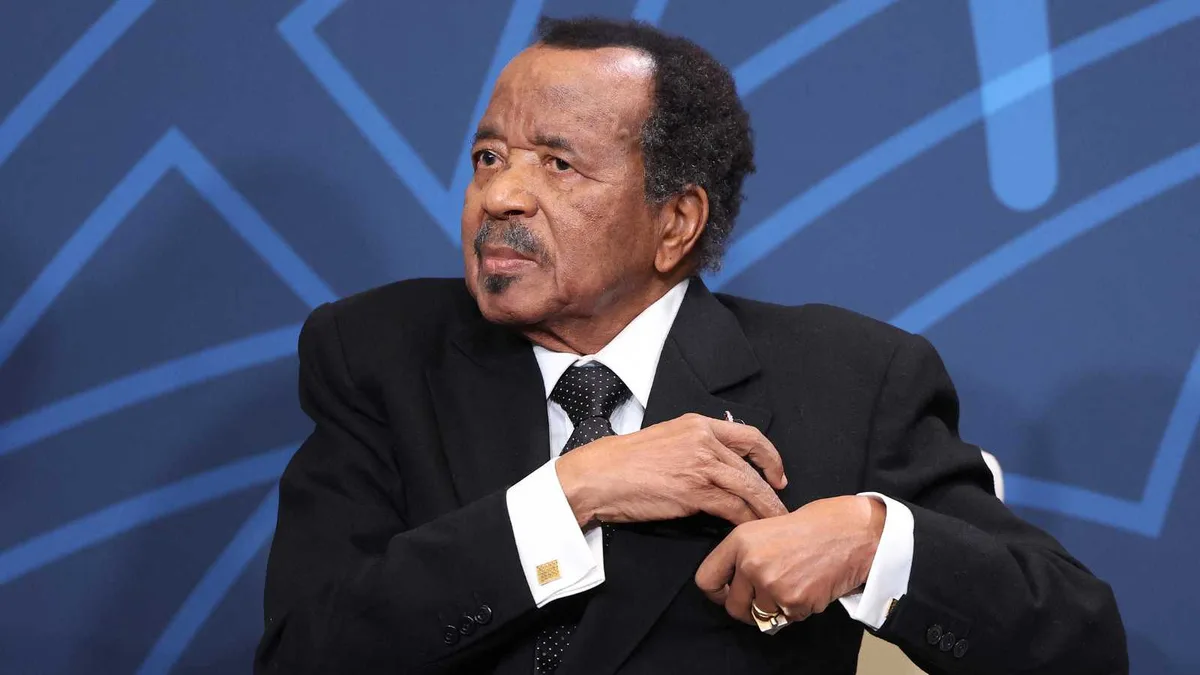
Cameroon’s military landscape has undergone significant changes following a series of presidential decrees signed by President Paul Biya, currently abroad for nearly two months. The new appointments include promotions, command reshuffles, and strategic realignments within the armed forces, reflecting both operational and political priorities.
Five senior officers have been elevated to the rank of brigadier general, while a new Major General has been named to oversee the army’s general staff. Multiple territorial and strategic command positions have also been reassigned, including key roles within the Presidential Guard—a unit long overseen by a single commander.
The most notable appointment is that of Brigadier General Raymond Jean Charles Beko’o Abondo, who retains his position as head of the Presidential Guard. This marks the first time in the elite unit’s 40-year history that its leader holds the rank of brigadier general, a move widely seen as a strong endorsement of his leadership and a signal of stability within Cameroon’s security apparatus.
In a parallel development, Major General Ebaka Hippolyte has been appointed as the new Major General of the armed forces, replacing his predecessor who has transitioned to reserve status. Six new regional commanders have also been installed across four of Cameroon’s five inter-service military zones, with a particular focus on areas facing acute security challenges—from the Far North, where Boko Haram remains active, to the restive Anglophone regions in the Southwest.
These military adjustments carry substantial political weight, signaling President Biya’s continued authority despite his prolonged absence from the country. The moves aim to reinforce command structures and reassure stakeholders of the government’s ability to maintain control over critical security operations. However, critics, including opposition leader Maurice Kamto of the MRC, argue that the reshuffle does little to address concerns over governance transparency and the delayed formation of a new government, which was promised by the president in December 2025.