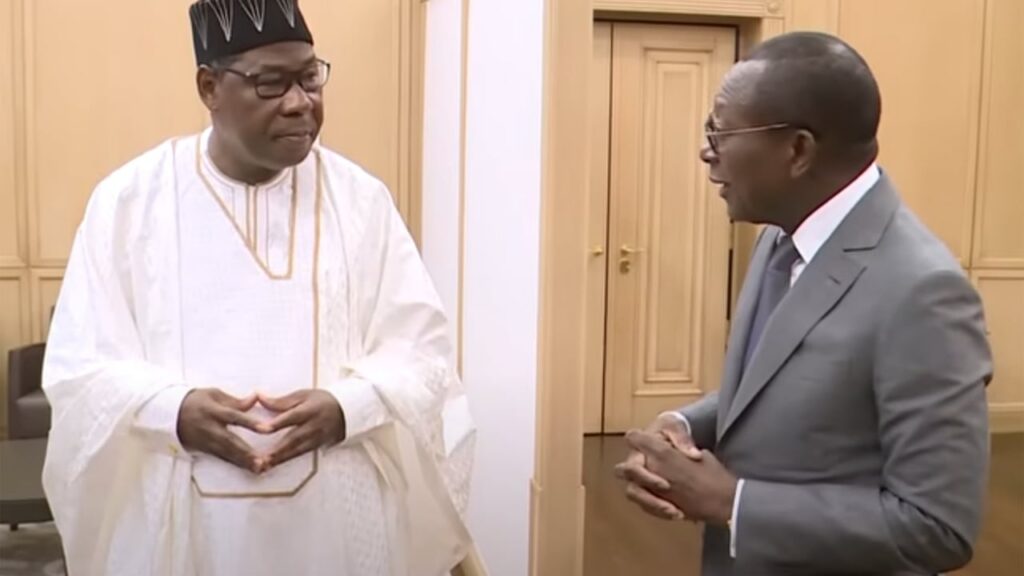

Benin’s Senate revival marks a new chapter in governance
The first Senate of the Republic of Bénin has officially commenced its duties, heralding a significant shift in the nation’s political landscape. After decades without this institution, its reinstatement reflects the government’s commitment to strengthening democratic frameworks and enhancing legislative processes.
Key figures behind the Senate’s establishment
The inauguration of the Senate brings together prominent political leaders who have played pivotal roles in shaping Bénin’s governance. Among them are former President Thomas Boni Yayi, whose vision has long influenced the country’s trajectory, and current President Patrice Talon, who has championed institutional reforms.
A historic decision with far-reaching implications
The restoration of the Senate follows extensive deliberations and legal adjustments. This move aims to create a more robust bicameral system, ensuring balanced governance and fostering national development. The Senate’s primary responsibilities include reviewing legislation, approving national budgets, and providing oversight to the executive branch.
Challenges and expectations for the new Senate
While the Senate’s formation is a milestone, it faces immediate challenges. Lawmakers must navigate complex policy issues, address public concerns, and work collaboratively to deliver on campaign promises. The expectations are high, as citizens look to the Senate to drive economic growth, improve infrastructure, and uphold transparency in governance.
With its first session now underway, the Senate of Bénin stands as a testament to the nation’s evolving democratic journey, poised to shape the future of governance in West Africa.