With over 3,000 confirmed cases and nearly 1,500 deaths reported by the Democratic Republic of Congo (DRC) government, the Ebola outbreak continues its relentless spread. Health authorities and humanitarian organizations are warning of an alarming acceleration in transmission, describing the situation as a rapidly worsening crisis.
Julien Harneis, the United Nations’ principal coordinator for Ebola response, recently highlighted that infections are doubling every 20 days. He emphasized that the epidemic’s pace far outstrips current containment efforts, creating a critical gap between spread and response.
Sustaining border openness for effective response
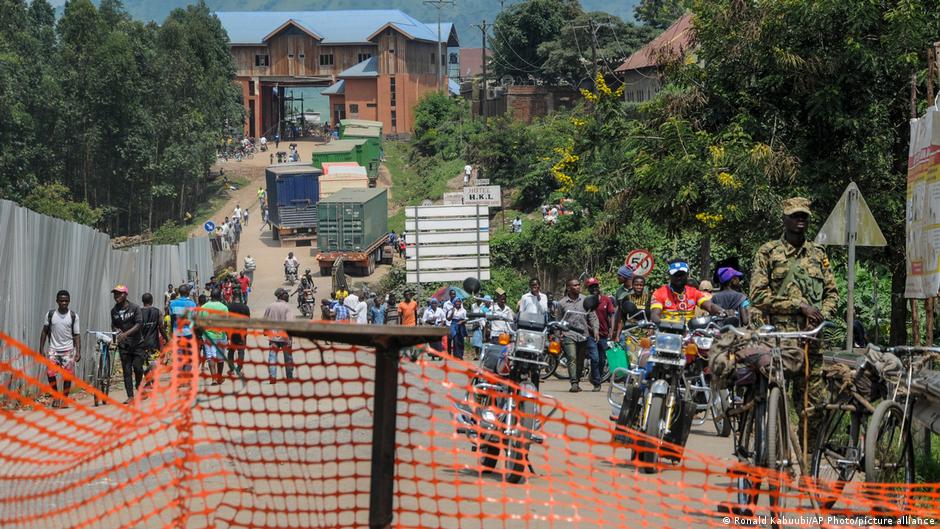
In response to the outbreak, several neighboring countries implemented restrictive measures, including temporary border closures. Rwanda initially sealed its land borders with the DRC and suspended entry for travelers from affected areas. While partial reopening occurred in early July, stringent health protocols—such as mandatory handwashing and temperature checks—remain in place.
Uganda also imposed temporary border restrictions with the DRC, though exceptions were maintained for humanitarian aid, security operations, and essential trade. Beyond Africa, Canada announced in July that it would deny entry to foreign nationals who had visited the DRC within the previous 21 days, alongside suspending certain immigration services for the DRC, Uganda, and South Sudan.
However, the United Nations stresses the importance of keeping borders open to facilitate the swift delivery of medical supplies, enable rapid deployment of response teams, and ensure unhindered movement for healthcare workers. Closing crossings could force populations into unmonitored routes, undermining surveillance and control efforts.
Ebola’s ripple effect on food security in DRC
The World Food Programme (WFP) has described the Ebola epidemic as a crisis layered atop an existing food security emergency. The Ituri region, the epicenter of the outbreak, faces severe challenges, with nearly two million people requiring urgent food assistance.
“Many patients are not reached by humanitarian aid or government support. Instead, their families bear the burden of their care. Food shortages are severely impacting vulnerable communities, particularly in rural areas where access to nutrition is already precarious,” explains Butoto Bigiri Naum, head of Action for Community Development and Well-being (UGEAFI). This organization collaborates with German NGO Help in delivering emergency aid across DRC, focusing on health and nutrition for rural and underserved populations.
Restrictions at border crossings have disrupted food supply chains and access to agricultural inputs such as seeds and tools. “Securing these essentials has become a major challenge,” Naum states, noting the cascading effects on food production and household resilience.
According to the WFP, more than 2.65 million people in Ebola-affected health zones are experiencing acute food insecurity, including over 628,000 in emergency conditions. Women and children—especially pregnant women—are disproportionately affected by restricted access to food.
The epidemic exacerbates food insecurity through multiple pathways. Movement restrictions disrupt market supply chains, driving up food prices and reducing household purchasing power. Fear of infection and labor shortages are pushing farmers to abandon their fields, risking long-term declines in agricultural output and heightened famine risks.
To mitigate these risks, the WFP is providing food assistance not only to Ebola patients and their close contacts but also to frontline workers and affected households. The goal is twofold: to encourage compliance with public health measures and to alleviate the burden on families struggling to meet basic nutritional needs.
Food aid also plays a strategic role in stabilizing communities. By reducing the need for people to travel in search of food, it helps curb further spread of the virus while fostering conditions that support effective health interventions.