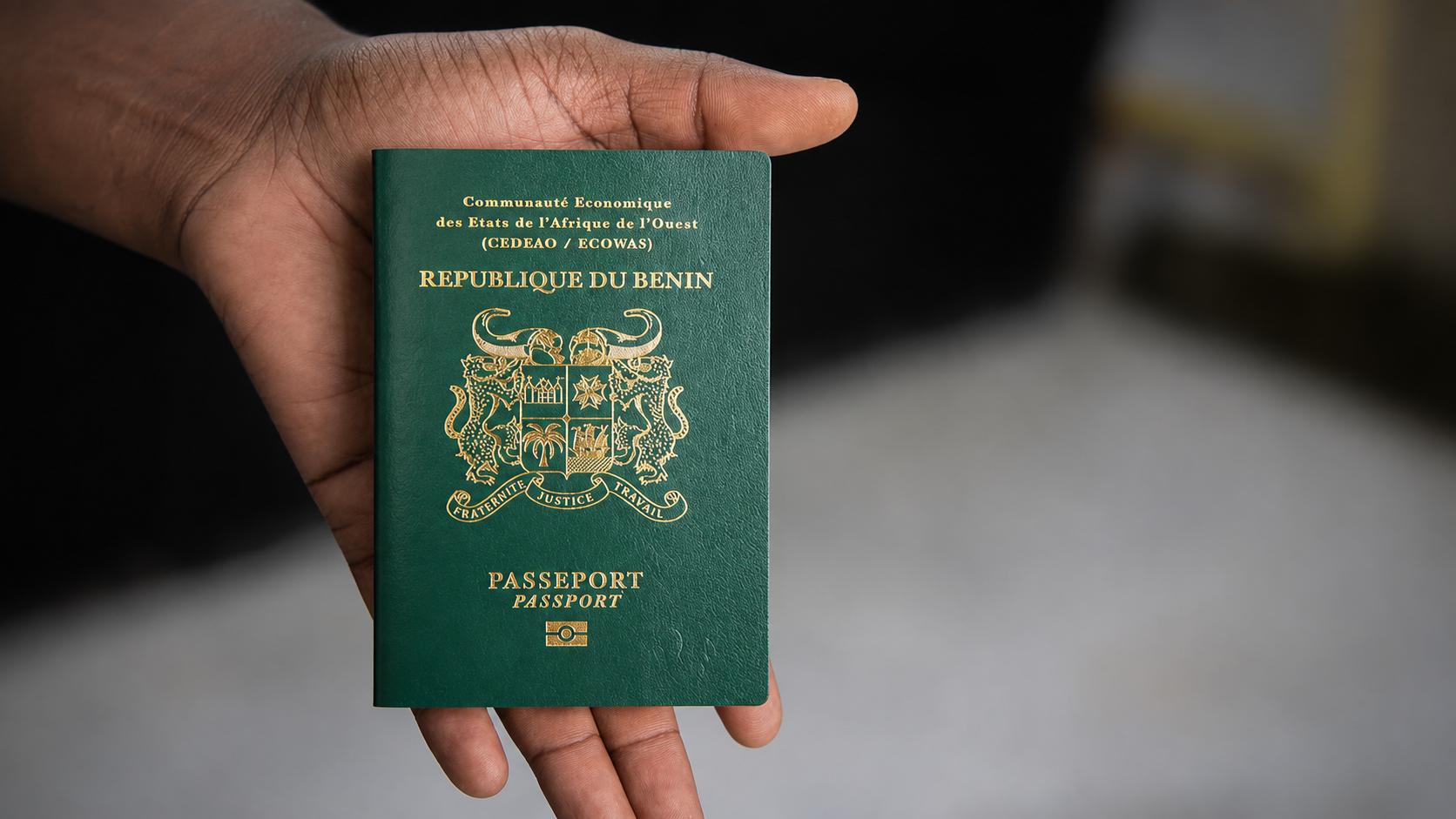
The Beninese passport has climbed to the top ranks of African travel freedom, reflecting a bold diplomatic vision combining openness and technological innovation. Over recent years, this travel document has risen steadily in continental mobility rankings, earning recognition as one of Africa’s most influential passports for intra-African travel.
This achievement stems from a clear political commitment: transforming Benin into a dynamic hub for trade and unhindered movement across West Africa. The passport’s success is not accidental—it embodies deliberate policy choices aimed at fostering regional integration and economic cooperation.
Understanding the passport ranking
Two distinct evaluation frameworks help explain the Beninese passport’s strong performance:
- Intra-African mobility (2nd place continentally): Within the African Open and Mobility Index—driven by initiatives like the African Development Bank (AfDB) and the African Continental Free Trade Area (AfCFTA)—Benin secures the second position. This ranking assesses how easily citizens can enter 54 African nations either visa-free or with visa-on-arrival policies.
- Global mobility (1st in UEMOA / ~13th in Africa): On the global stage (Henley Passport Index), which evaluates access to all countries worldwide, Benin ranks around 13th in Africa and within the top 70 globally. It also leads the West African Economic and Monetary Union (UEMOA) region.
Key drivers behind Benin’s diplomatic success
The passport’s elevated status results from a forward-thinking diplomatic strategy built on three pillars:
Championing pan-African openness
Benin took a groundbreaking step by unilaterally waiving visa requirements for all African travelers entering its borders. This bold move triggered a wave of reciprocity, prompting neighboring countries to ease entry rules for Beninese citizens in return.
Enhancing document credibility
The modernization of passport issuance—including the adoption of cutting-edge biometric technology and digital civil registry systems—has bolstered trust in the document’s authenticity and security among foreign governments.
Expanding bilateral agreements
Diplomatic efforts have intensified, securing visa exemptions for ordinary, service, and diplomatic passports across multiple partner nations beyond Africa.
Economic and geopolitical ripple effects
The elevated status of the Beninese passport unlocks tangible benefits for entrepreneurs, artists, and academics. Reduced bureaucratic hurdles streamline access to regional markets, accelerate the implementation of the AfCFTA, and reinforce Cotonou’s role as a key subregional business gateway.