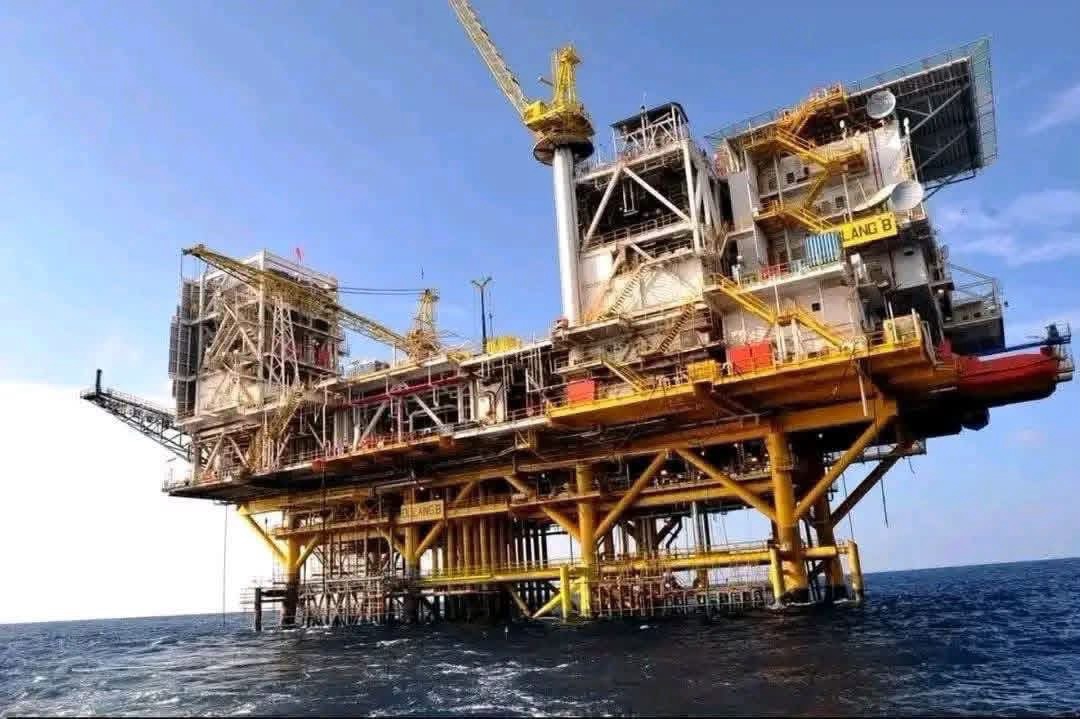
The resumption of crude oil exports from Benin’s Sèmè field has ignited a wave of reactions across political, economic, and civil society circles. After nearly three decades of inactivity, the country’s first shipment of 330,000 barrels is en route to Rotterdam, marking a symbolic yet contentious milestone in its energy sector.
The Kriti Jade tanker, loaded with the historic cargo, is scheduled to arrive in the Dutch port on November 18, 2026, according to maritime tracking data. The shipment underscores Benin’s re-entry into the global oil market, but it also raises critical questions about the sustainability of this venture and its broader implications for the nation’s economy.
From abandoned field to commercial breakthrough
The Sèmè offshore field, discovered in the early 1980s, was once a cornerstone of Benin’s energy ambitions. Production peaked briefly in the late 1990s before declining sharply, forcing a halt in operations. Factors such as technical constraints, plummeting global oil prices, and limited local infrastructure rendered the project unviable, leaving the field dormant for nearly thirty years.
Reviving the site demanded a complete overhaul: new drilling operations, technical upgrades, and partnerships with specialized firms. By early 2026, under the management of Akrake Petroleum Bénin, the field resumed production, transitioning from rehabilitation to commercial viability. Yet, the journey from extraction to export was not without hurdles, reflecting the complexities of restarting a long-abandoned project.
Economic ripple effects: promise and skepticism
For Benin, the return of Sèmè oil could serve as a catalyst for economic diversification. Historically reliant on agriculture, port activities, and services, the country now eyes an additional revenue stream that could bolster foreign exchange reserves and ease budgetary pressures.
However, experts warn that the benefits are not guaranteed. Revenue generation will hinge on multiple variables: global oil prices, production volumes, operational costs, and the terms of the contracts between the government and the operator. Transparency in these agreements will be crucial to ensuring that profits translate into tangible public gains rather than benefiting a narrow group.
Beyond revenue: the promise of a broader industrial ecosystem
The revival of Sèmè is expected to create ripple effects across multiple sectors. Offshore operations could stimulate demand for logistics, maintenance services, engineering, and local subcontracting. The project also presents an opportunity to develop technical expertise and create skilled jobs provided local businesses are given fair access to contracts.
Yet, for this potential to materialize, Benin must prioritize local content in its energy strategy. Training programs for technicians and gradual technology transfers could help build a sustainable services ecosystem, reducing dependence on foreign firms. The government’s commitment to these goals will determine whether the oil sector becomes a driver of broader industrial growth or remains confined to extraction.
Crude exports vs. refined fuels: a critical distinction
A common misconception surrounds Benin’s newfound oil status: exporting crude oil does not equate to cheaper domestic fuel. The Sèmè output is a raw material destined for international markets, not refined products like gasoline or diesel for local consumption.
While the country marks its return to oil production, it will still need to import refined petroleum products to meet domestic demand. This dual reality highlights the limits of Sèmè’s immediate economic impact. In the long term, however, Benin could explore refining capabilities if studies confirm their viability balancing higher upfront investments against the potential for added value within the economy.
The sustainability challenge: can Sèmè deliver lasting value?
The most pressing question now is whether Sèmè can sustain production over the long term. Offshore extraction is capital-intensive, requiring continuous technical oversight and stringent environmental safeguards to prevent ecological damage. Production levels, operational costs, and reservoir durability will all play a role in determining the project’s future.
Equally vital is the management of revenues. To avoid the pitfalls of the
By Aïcha Abdou — Journalist