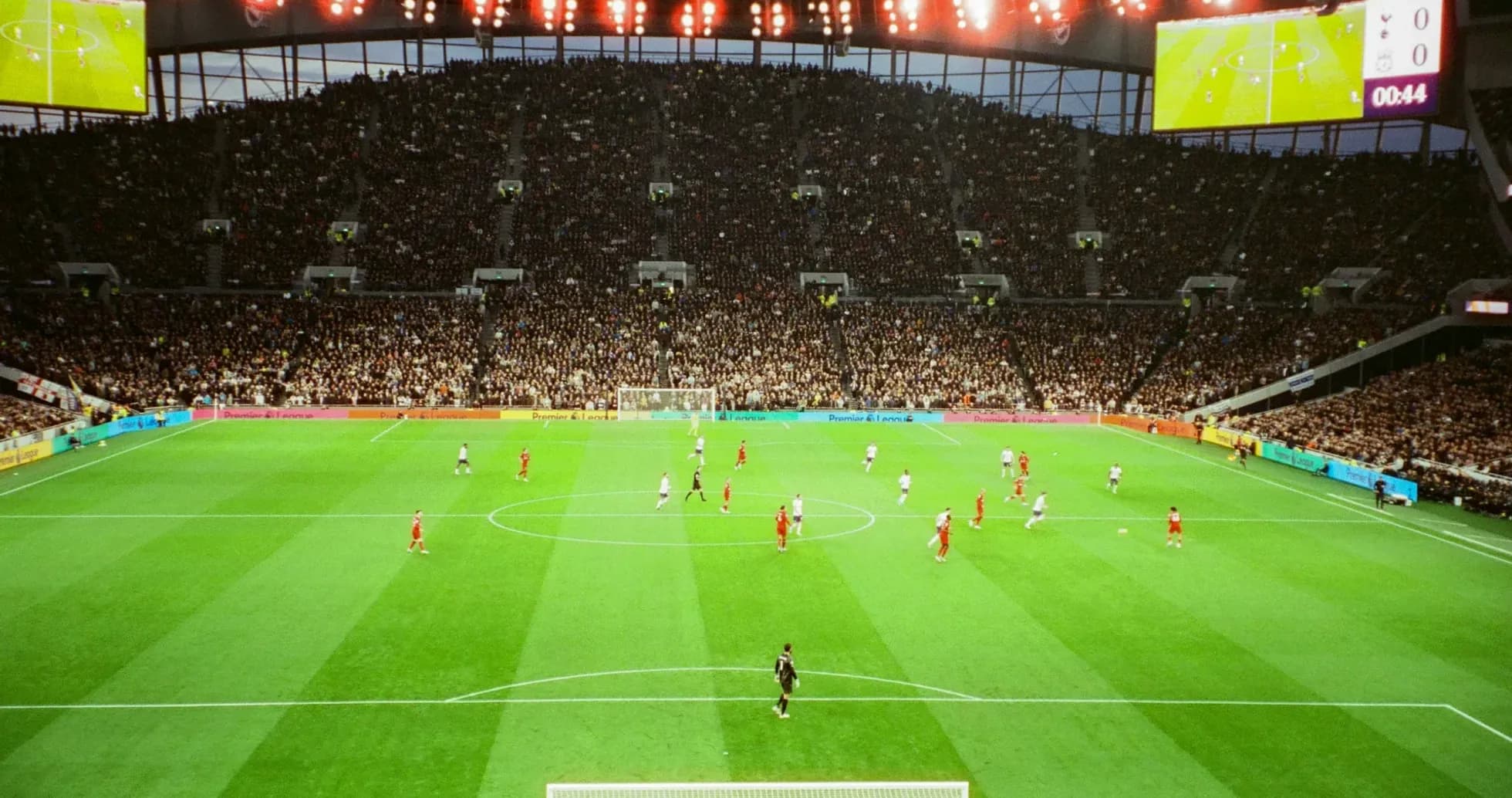
Bodo/Glimt and Union St. Gilloise to clash in pivotal UEFA Champions League return
The stage is set at the Aspmyra Stadion for a decisive UEFA Champions League showdown. After a thrilling 3-3 draw in the first leg of the third qualifying round, Bodo/Glimt welcomes Union St. Gilloise for a high-stakes rematch that could determine which team advances to the next phase of the competition and shape their European campaign for 2026.
🔥🏆 Exclusive betting offer for our readers: Put your sports knowledge to the test! Use promo code PINBET2026 when placing your bet with Pin-Up. Simple terms: place 1 bet and get 1 Free Bet (up to $10). Don’t miss the chance to boost your betting balance for the big game! 🎁 👉 Claim your Free Bet now ➔
Tactical showdown: past encounters analyzed
Recent European clashes between these two sides have been tightly contested. On October 4, 2024, during the UEFA Europa League group stage in Brussels, Union St. Gilloise and Bodo/Glimt played out a cautious 0-0 draw, preserving their clean sheets until the final whistle. Fast forward to August 4, 2026, for the first leg of this Champions League qualifier in Oostende, where the match exploded into a 3-3 thriller, with the score already tied 2-2 at halftime. Across two official meetings, the record stands at two draws—one scoreless and one action-packed—highlighting a balanced rivalry where neither side has yet claimed superiority.
Season performance snapshot
- Current phase performance: In the 2026 UEFA Champions League, both Bodo/Glimt and Union St. Gilloise have played one away and one home match respectively, each ending in a draw with identical scoring records: three goals scored and three conceded. Neither team has tasted victory yet, setting the stage for a winner-takes-all scenario in Norway.
- Key season metrics: In their Champions League outings, Bodo/Glimt averages 3.0 goals scored and conceded per game, with no clean sheets, one penalty won and converted, and a 4-3-3 formation. Union St. Gilloise mirrors these stats exactly (3.0 goals for and against per match, no clean sheets), operating in a 3-4-1-2 setup. The Belgian side has shown a higher tally of yellow cards, with bookings spread across different phases of play, which could impact their ability to maintain intensity in the second leg.
- Form trajectory: Both clubs are currently rated with a “D” form rating in this Champions League campaign, reflecting a neutral start: one draw each, no wins or losses. While neither team is in top form, the ability to tighten defensive details compared to the 3-3 first-leg draw will be crucial.
Tactical efficiency breakdown
Champions League data reveals two offensively driven but defensively vulnerable teams: each has scored three and conceded three goals in a single match without dominating possession. Bodo/Glimt, deploying a 4-3-3, demonstrated attacking prowess and penalty conversion but showed defensive vulnerabilities, particularly during quick transitions. Union St. Gilloise, in a 3-4-1-2, also generated significant offensive pressure, but their three-back system struggled as the pace of play increased, as evidenced by the three goals conceded in their home leg.
In this duel, both teams boast nearly identical attack metrics, reflecting comparable offensive strength, while their defensive indices remain moderate, lacking control in critical moments. Discipline may be the deciding factor: Union St. Gilloise’s yellow cards were distributed almost evenly throughout the match, suggesting occasional lapses in control, whereas Bodo/Glimt’s bookings were concentrated in a single phase, potentially indicating better emotional regulation. Over 90 minutes (or more), the team that reduces unnecessary fouls and better protects the penalty area is likely to prevail.
Season impact: stakes and implications
This tie carries immense weight for both clubs’ 2026 prospects. Advancing to the next round would propel Bodo/Glimt or Union St. Gilloise closer to the group stage, unlocking significant sporting and financial rewards. For Bodo/Glimt, a home victory would cement their reputation as a rising force in European football, enhancing their appeal to top players and strengthening their domestic dominance. For Union St. Gilloise, overcoming this hurdle after the 3-3 draw would validate their continental progress and establish them as a fixture in elite European nights.
Conversely, an early exit in this third qualifying round would force the losing side to pivot to less prestigious European competitions or focus solely on domestic campaigns, resulting in a substantial loss of revenue and prestige. In such a closely fought contest, every detail—card management, set-piece efficiency, bench depth—could redefine their season trajectory: the winner gains a golden opportunity to make 2026 count on Europe’s biggest stage, while the loser must reset expectations and refocus on league and cup objectives.
Related posts
At the Diego Armando Maradona, Napoli host Arsenal in a Champions League opener that promises fireworks
Everything you need to know about the UEFA Champions League clash between SSC Napoli and Arsenal,...
Arsenal vs Chelsea: Premier League derby time and TV channel
London derby closes Premier League matchday three This Sunday, 6 September, Arsenal host Chelsea at the...
Gabon’s RPM praises Oligui Nguema’s leadership and demands action over promises
The Rassemblement pour la Patrie et la Modernité (RPM), a key member of Gabon’s ruling coalition,...