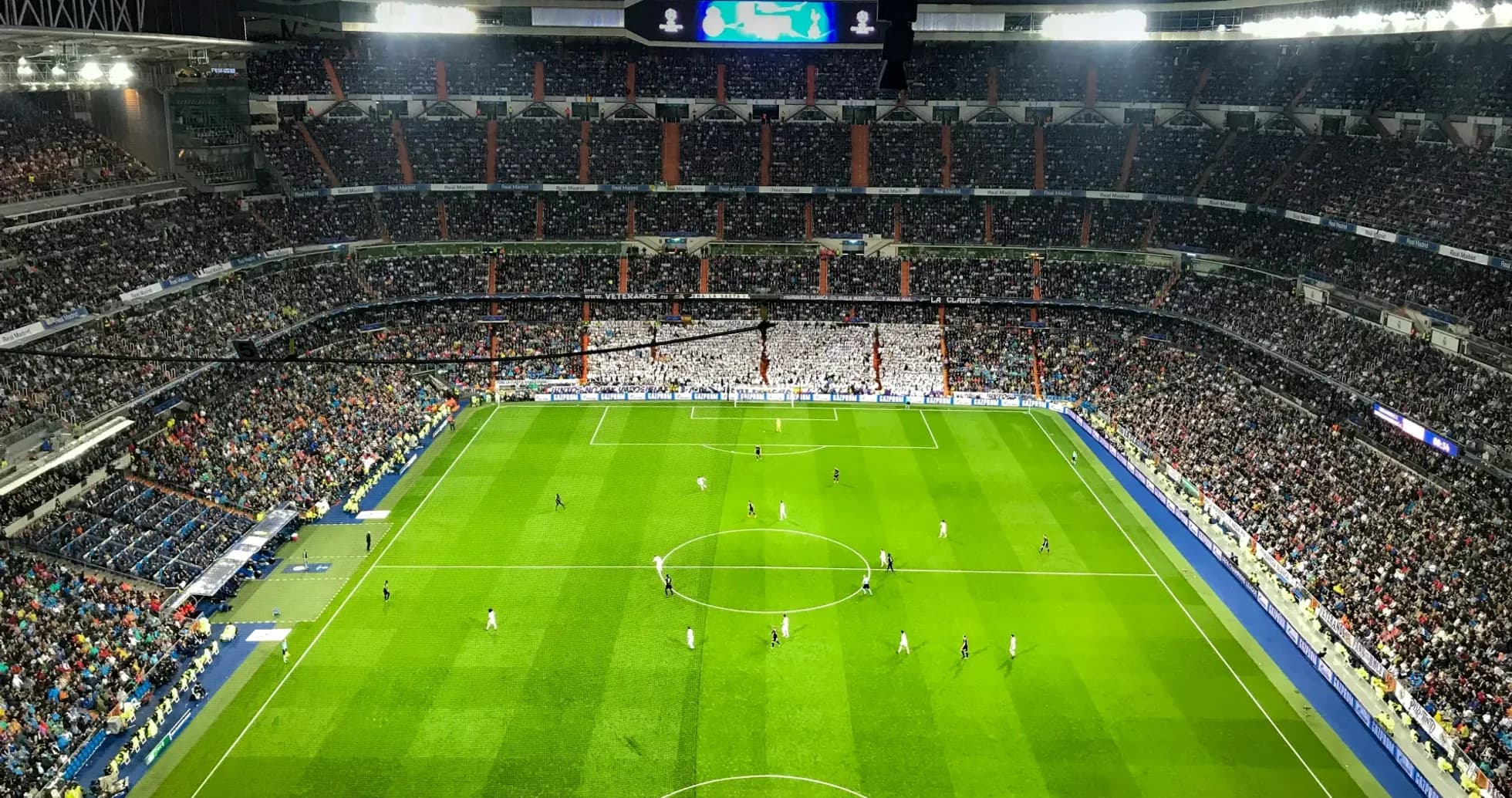
The stage is set in Kaunas for a high-stakes UEFA Champions League return match as Kauno Žalgiris prepares to face Dinamo Zagreb in the third qualifying round. After suffering a crushing 5-0 defeat in the first leg, the Lithuanian side faces an uphill battle—not just to turn the tide, but to salvage their European campaign and restore confidence in their squad.
Meanwhile, Dinamo Zagreb arrives with a commanding advantage, eyeing a seamless progression to the next round while showcasing their tactical prowess and consistency in one of Europe’s most prestigious tournaments.
🔥🏆 Exclusive offer for readers: Put your sports knowledge to the test! Use the promo code PINBET2026 when placing a bet on Pin-Up. Place just one bet and receive a Free Bet (up to $10). Don’t miss your chance to boost your betting balance before the next big match! 🎁
Head-to-head preview: what history tells us
The two teams have met only once before this return leg, back on August 4, 2026, at Stadion Maksimir in Zagreb. Dinamo Zagreb dominated from start to finish, securing a 5-0 victory over Kauno Žalgiris. The Croatians led 2-0 at halftime and never looked back, exposing clear gaps in Kauno’s defense and stifling their offensive rhythm. This lopsided result underlines Dinamo’s superiority and raises questions about Kauno’s ability to regroup and respond.
Season form and tactical outlook
Kauno Žalgiris: Their Champions League qualifying campaign has been a mixed bag. In five matches, they’ve scored five goals and conceded eight, with two wins, two draws, and one loss. Defensively, they’ve struggled away from home, conceding seven goals in three away fixtures, and have even failed to score in two games. Their preferred 4-1-4-1 formation aims to strengthen the midfield, but against Dinamo’s high-powered attack, it proved insufficient in Zagreb.
Dinamo Zagreb: The Croatian side boasts a flawless qualifying record so far—three matches, nine goals scored, three conceded, two wins, and one draw, with no losses. Their average performance stands at three goals scored and one conceded per game, and they’ve shown the ability to deliver heavy wins while maintaining defensive stability. Dinamo’s flexibility is another asset, having deployed three different formations (4-2-3-1, 4-1-4-1, 4-3-3), allowing them to adapt their approach as needed.
Key tactical imbalances
Kauno Žalgiris faces a structural challenge: they concede more goals (1.6 per game) than they score (1.0), with defensive frailties particularly evident on the road. Their 4-1-4-1 setup aims to tighten the midfield, but Dinamo’s clinical finishing and relentless pressing exposed its weaknesses in the first leg.
Dinamo Zagreb, on the other hand, thrives on control and efficiency. Their attack has been relentless—eight of their nine goals came at home—and they haven’t been shut out in any match. Even with a slight defensive lapse (one goal conceded per game), their overall defensive organization remains solid, especially when balanced against their attacking output. Their tactical versatility and ability to switch between defensive solidity and rapid transitions make them a constant threat, even away from home.
What’s at stake for both sides
For Kauno Žalgiris, this return leg is less about qualification and more about salvaging pride and momentum. A heavy defeat would damage their reputation, erode fan trust, and complicate their appeal in future European campaigns. The focus now is on limiting damage, regaining defensive solidity, and securing at least a draw to rebuild confidence for the rest of the season and beyond.
For Dinamo Zagreb, the road to the next round is already paved—but a professional performance in Kaunas would validate their progression and confirm their status as a consistent performer in UEFA Champions League qualifiers. A controlled, disciplined outing would also allow them to rotate the squad, manage player fatigue, and prepare effectively for stiffer opposition in the rounds ahead.