Burkina Faso leader condemns centuries of arabic slavery in africa
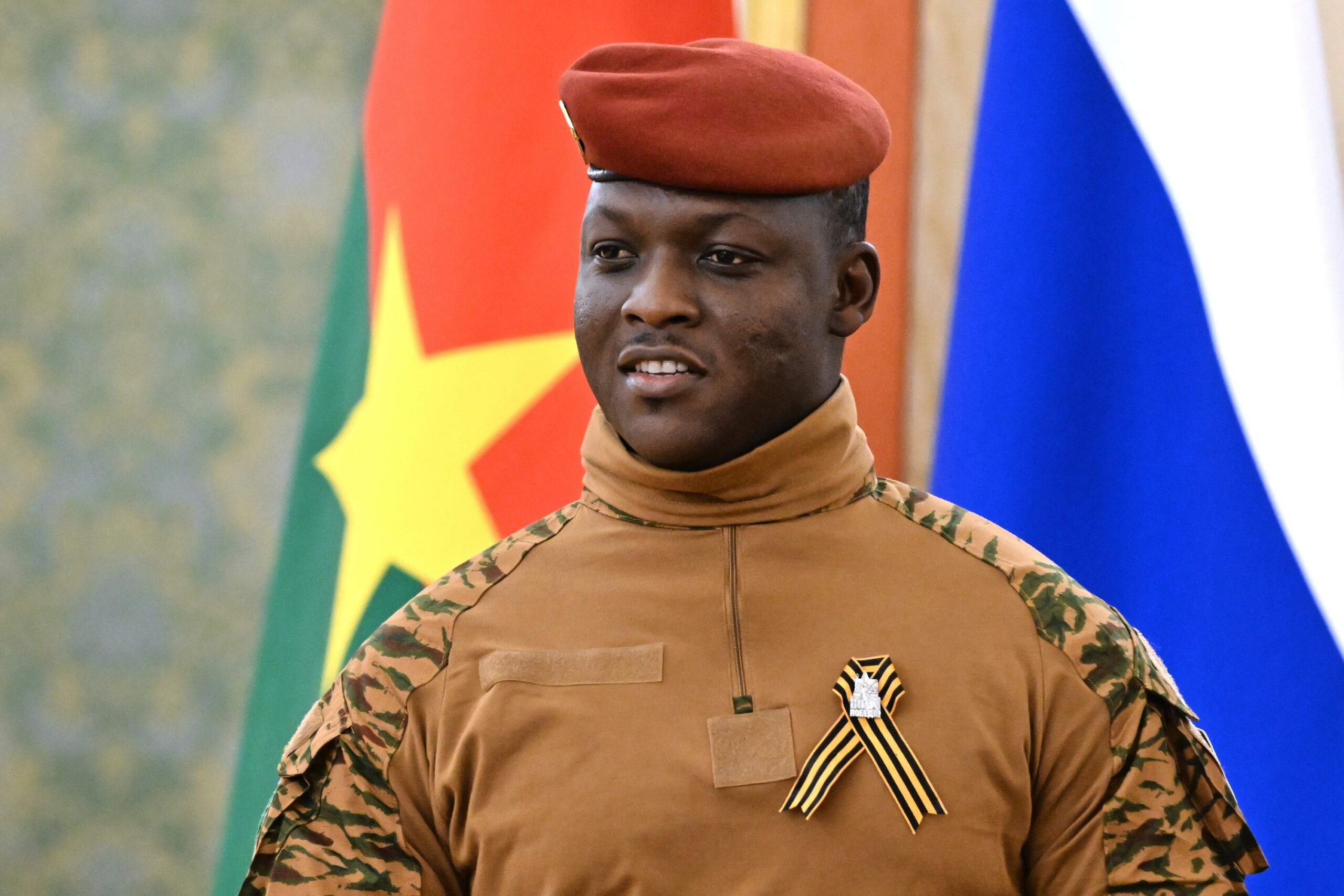
In a nationally televised address, Burkina Faso’s leader, Captain Ibrahim Traoré, delivered a historic speech addressing the centuries-long practice of slavery imposed on African populations by Arabic powers. The remarks have sparked intense reactions across the Muslim world.
Confronting a painful historical legacy
During his address, Captain Traoré broke decades of silence by openly denouncing the trans-Saharan slave trade that devastated African societies for generations. This trade, orchestrated by powerful Arabic empires, forcibly displaced millions of individuals across the Sahel and beyond.
The Burkinabè leader emphasized that this dark chapter must no longer remain a taboo subject, stressing that acknowledging historical injustices is essential for healing and progress. His words carry particular weight as they challenge long-held narratives within certain religious and political circles.
A bold stance against radical islam
Beyond historical reckoning, Traoré’s speech took aim at the spread of radical islamist ideologies that continue to plague the region. He framed the condemnation of historical slavery as part of a broader struggle against extremist interpretations of islam that seek to undermine African sovereignty and values.
The president warned that such ideologies, when intertwined with political power, pose a direct threat to peace and stability across West Africa. His administration has repeatedly positioned itself as a bulwark against islamist insurgencies that have destabilized neighboring nations.
Regional implications and reactions
The speech has ignited a spectrum of responses. While many in Burkina Faso and neighboring countries have praised the courage of this stance, others have criticized it as inflammatory or politically motivated. Religious leaders in several West African nations have expressed concern that such declarations could exacerbate tensions within muslim communities already grappling with extremist violence.
International observers note that Traoré’s words reflect a growing trend among African leaders to assert historical narratives that challenge traditional power structures. This shift comes as regional blocs like ECOWAS increasingly prioritize self-determination and historical justice in their policy discussions.
Looking ahead: healing and reconciliation
Traoré called for a collective effort to address the lingering scars of slavery while combating the modern manifestations of radical islam. He proposed establishing educational initiatives to teach younger generations about this history, alongside strengthened regional cooperation to counter extremist threats.
The president also urged religious authorities to play a constructive role in fostering interfaith dialogue, emphasizing that islam, like all major religions, must be practiced in ways that promote unity rather than division. His administration has already begun implementing programs aimed at economic empowerment in communities historically affected by slavery, aiming to break cycles of poverty that extremists often exploit.
As Burkina Faso navigates this pivotal moment, the international community watches closely. The speech signals a potential turning point in how West Africa confronts its complex past while addressing contemporary security challenges.