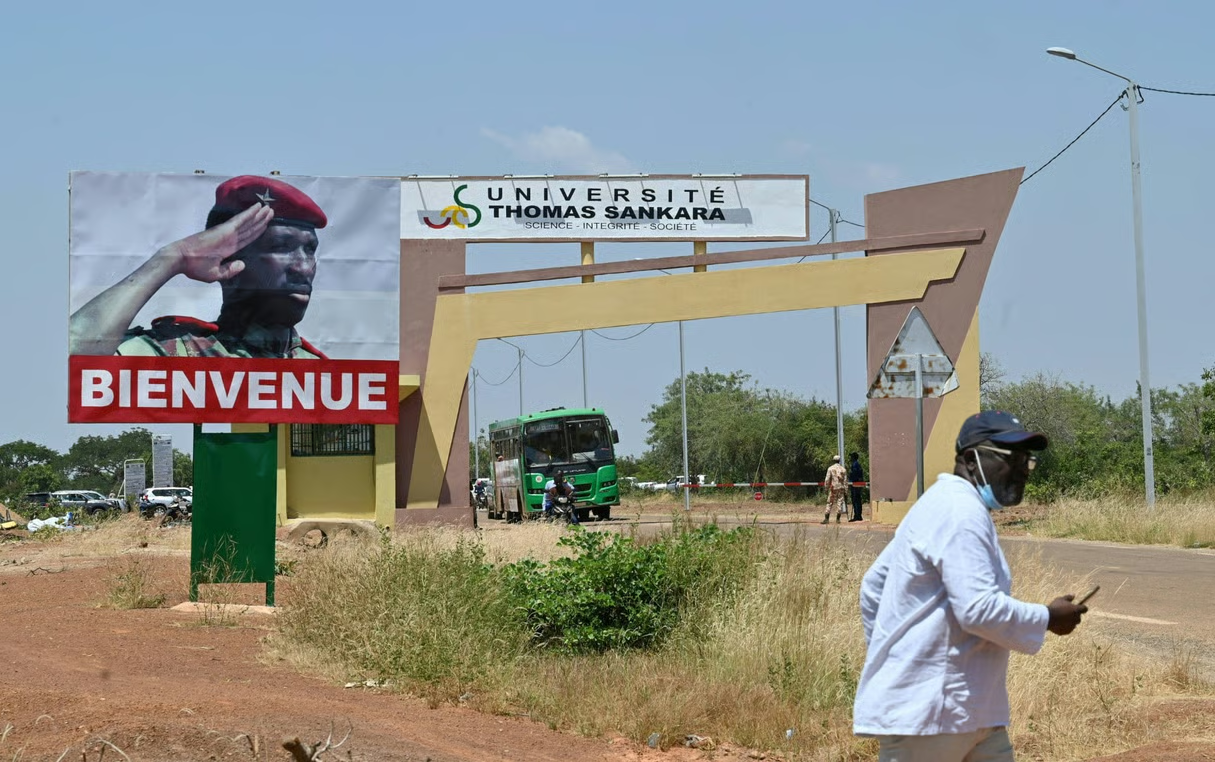
Burkina Faso’s military government has initiated a significant crackdown on dissent within its academic circles, announcing the suspension of the nation’s leading student organization. This decisive action has been accompanied by the apprehension of the group’s principal figure, marking a notable escalation in the junta’s efforts to control public expression.
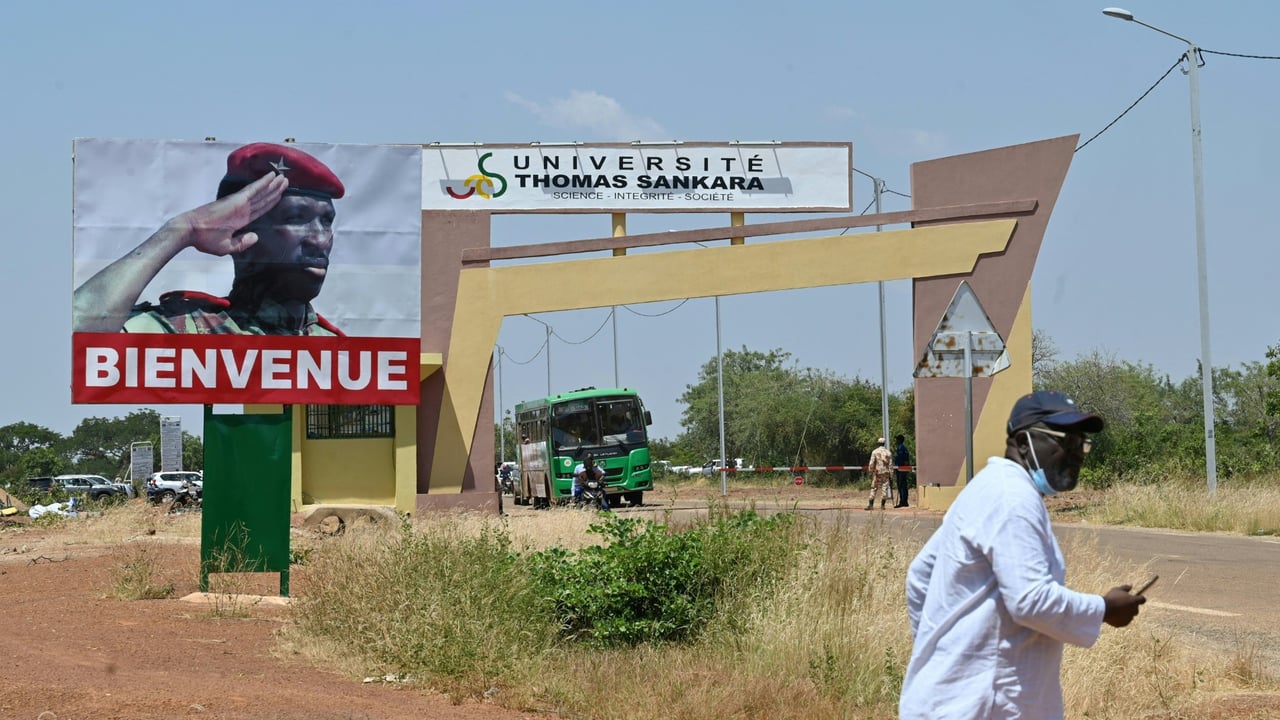
The move, overseen by Captain Ibrahim Traoré’s administration, targets an influential student union, which plays a critical role in representing student interests across the country. While the specific name of the organization was not immediately disclosed, its dissolution and the detention of its leader are set to reverberate through institutions such as Thomas Sankara University in Ouagadougou, whose entrance is depicted in an image from October 15, 2021. This development highlights ongoing challenges to civic freedoms in the West African nation.
Such interventions by the military leadership are often viewed as attempts to consolidate power and suppress potential opposition, particularly from youth movements. As Burkina Faso navigates a complex political transition, the curtailment of student activism raises questions about the future trajectory of democracy and human rights in the country. The international community, often keen on African politics and West Africa news, will undoubtedly monitor these events closely.
The situation underscores a broader trend of authorities in the region asserting tighter control over various sectors of society. The fate of the detained student leader and the implications for independent student advocacy remain central concerns amidst these evolving political dynamics.