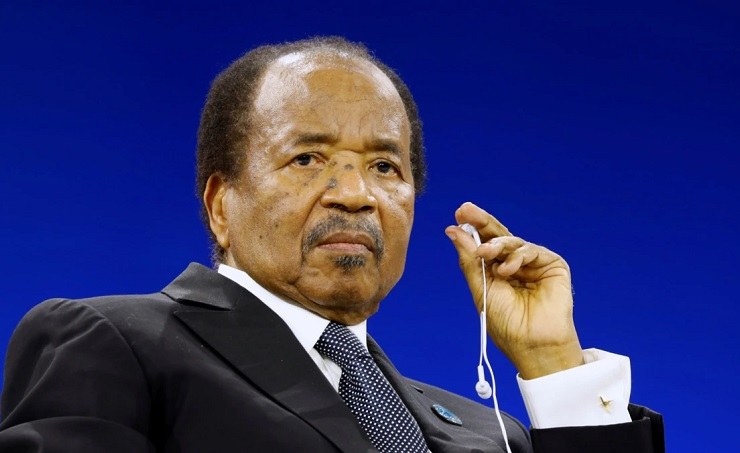
Cameroon is gripped by uncertainty as prolonged absence of President Paul Biya, now 93 years old, sparks intense debate. The veteran leader has not been seen in public for nearly two months, intensifying rumors about his health and the stability of the nation’s leadership.
The government has moved to quell speculation. René Emmanuel Sadi, Minister of Communication and government spokesperson, confirmed that Biya is alive and will return soon—without providing further details. His statement aimed to silence opposition voices demanding transparency regarding the president’s condition and the continuity of state institutions.
Opposition demands clarity on presidential absence
Leading opposition figures, including Jean-Michel Nintcheu and the Union démocratique du Cameroun (Udc), have called for official confirmation of Biya’s health status. They argue that prolonged silence from the presidency risks creating a dangerous institutional void. Nintcheu has urged the Conseil constitutionnel to formally recognize a power vacuum, warning that the country’s stability cannot rely on speculation and unanswered questions.
Constitutional provisions in case of presidential vacancy
The Cameroonian Constitution outlines a clear process should a vacancy occur due to death, resignation, or permanent incapacity. According to Article 6, Paragraph 4, a new presidential election must be organized within 20 to 120 days after the vacancy is declared. During this period, authority is transferred to the Senate President, currently Aboubakary Abdoulaye. If he is unavailable, the role falls to the first vice-president, Naomie Mikel Bégala épouse Akono.
The interim president holds limited powers: they cannot amend the Constitution, reshuffle the government, call a referendum, or run in the subsequent presidential election. This legal framework is designed to prevent abuse of power during transitions, ensuring a smooth handover of leadership.
The situation remains fluid, with both government and opposition digging in their positions. As the nation watches and waits, the absence of clear official communication continues to fuel uncertainty across Cameroon.