DRC’s surrender protocol with FDLR: key details and challenges ahead
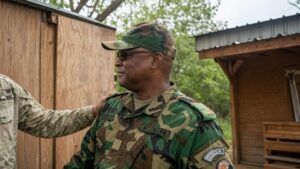
The Democratic Republic of the Congo (DRC) has recently inked a historic surrender protocol with the Democratic Forces for the Liberation of Rwanda (FDLR), a long-standing armed group with deep ties to the Rwandan genocide. According to Congolese authorities, the agreement outlines a structured path to demilitarization, including the surrender of weapons, relocation of combatants to designated cantonment sites, and their eventual return to Rwanda or resettlement in a third country. Additionally, the protocol addresses the judicial handling of individuals facing outstanding warrants. Yet, critical questions linger about implementation, particularly regarding the location and security of these cantonment camps.
Decoding the surrender protocol: what does it entail?
The agreement, as outlined by the DRC government, sets out a multi-phase process designed to facilitate the peaceful reintegration of former combatants. The first step involves the voluntary surrender of weapons by FDLR members, followed by their relocation to cantonment sites where they will be disarmed and registered. From there, the protocol envisions two primary pathways for the combatants: repatriation to Rwanda or relocation to a third country willing to host them. For those accused of war crimes or genocide, the agreement includes provisions for their judicial processing, ensuring accountability while offering a pathway to reconciliation.
Unresolved questions: where and how will cantonment take place?
The most pressing concern surrounding the protocol revolves around the uncertainty of cantonment site locations. While the DRC government has not yet disclosed specific sites, the decision carries significant implications for regional stability and security. Key questions include: which regions or provinces would host these camps, and who would be responsible for their oversight and protection? The absence of clarity on these fronts raises concerns about potential security vacuums or unintended consequences, particularly given the historical volatility of eastern DRC.
Lessons from the past: will this protocol succeed where others failed?
This is not the first attempt to disarm and dismantle the FDLR. In 2025, a prior demobilization campaign was launched but ultimately fell short of its objectives. The new protocol seeks to address the shortcomings of past initiatives by incorporating clearer timelines, stronger oversight mechanisms, and more robust international engagement. However, skepticism remains about whether this iteration will yield different results, especially given the deep-seated grievances and entrenched interests that have sustained the FDLR for decades.
![Rwandan Foreign Minister Olivier Nduhungirehe attending a peace ceremony between Rwanda and the DRC at the U.S. Department of State, Washington, June 27, 2025 [illustrative image].](https://panafrica-news.info/wp-content/uploads/2026/08/scraped-1785771175397-z6tqx9.jpg)
Next steps: what lies ahead for the protocol’s implementation?
The coming weeks will be critical in determining the protocol’s viability. The DRC government, in collaboration with regional partners and international observers, must swiftly address the logistical and security challenges tied to cantonment site selection. Transparency in this process will be essential to build trust among stakeholders and mitigate risks of renewed conflict. Meanwhile, the international community’s role in providing support—whether through funding, technical expertise, or peacekeeping—will be pivotal in ensuring the protocol’s success.
As the DRC forges ahead with this ambitious initiative, the world watches closely. The stakes are high, not only for the DRC but for the broader Great Lakes region, where the shadow of the FDLR has long loomed large. Whether this protocol marks a turning point or another chapter in a protracted struggle remains to be seen—but the conversation it has sparked is undeniably a step in the right direction.