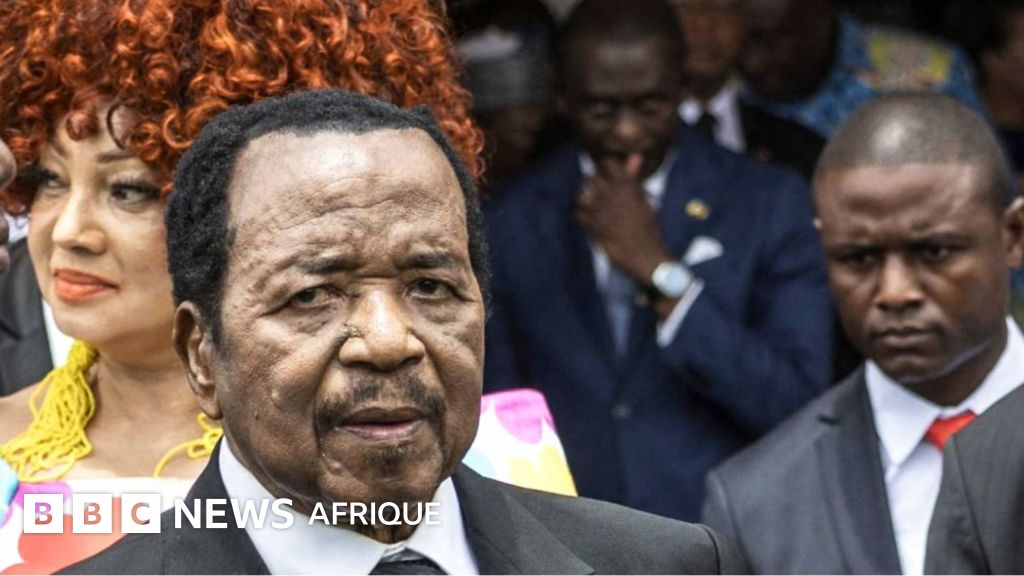
The veteran leader of Cameroon, Paul Biya, has reshuffled the country’s military leadership as public unease grows over his prolonged absence from the nation. The 93-year-old president, who has ruled for over four decades, recently promoted five colonels to brigade general ranks and appointed key military officials from his temporary base in Geneva, Switzerland.
Military reshuffle amid rising tensions
This latest military restructuring follows a pattern of frequent command adjustments under Biya’s administration, particularly during periods of heightened public pressure or perceived leadership fragility. The move comes as regional stability remains fragile following the 2023 coup in neighboring Gabon, which sent shockwaves across Central Africa and prompted swift military reassessments in Cameroon.
Biya’s latest promotions and appointments were formalized through separate decrees issued from Geneva on Monday. The president left Cameroon on June 7, reportedly for what officials described as a “brief private stay” in Switzerland. However, his absence has stretched beyond two months, fueling speculation about his health and the country’s leadership continuity.
Government functions under scrutiny
The prolonged absence has raised serious questions about institutional governance in Cameroon. Despite promising a cabinet reshuffle after last year’s controversial presidential election, Biya has yet to announce new appointments. The vice-presidential position, created in April 2026, remains unfilled, further deepening concerns over administrative paralysis.
During his time abroad, Biya has signed multiple decrees, including those authorizing new loan agreements with international financial institutions. Government officials continue to dismiss rumors of hospitalization, asserting that the president remains active and will return shortly. However, opposition figures argue that his absence has created a dangerous leadership void.
Mamadou Mota, vice-president of the opposition CRM party, criticized the situation, stating, “Executive authority must be exercised within the nation, not through distant hotel suites or telepathic decrees.”
Media restrictions fuel distrust
Public skepticism has been compounded by long-standing restrictions on health-related coverage. Two years ago, Cameroonian media were barred from reporting on Biya’s health, a decision that drew sharp criticism from press freedom advocates. Opposition leaders have accused the government of concealing the president’s true condition, while officials insist he remains fully in charge despite his location.