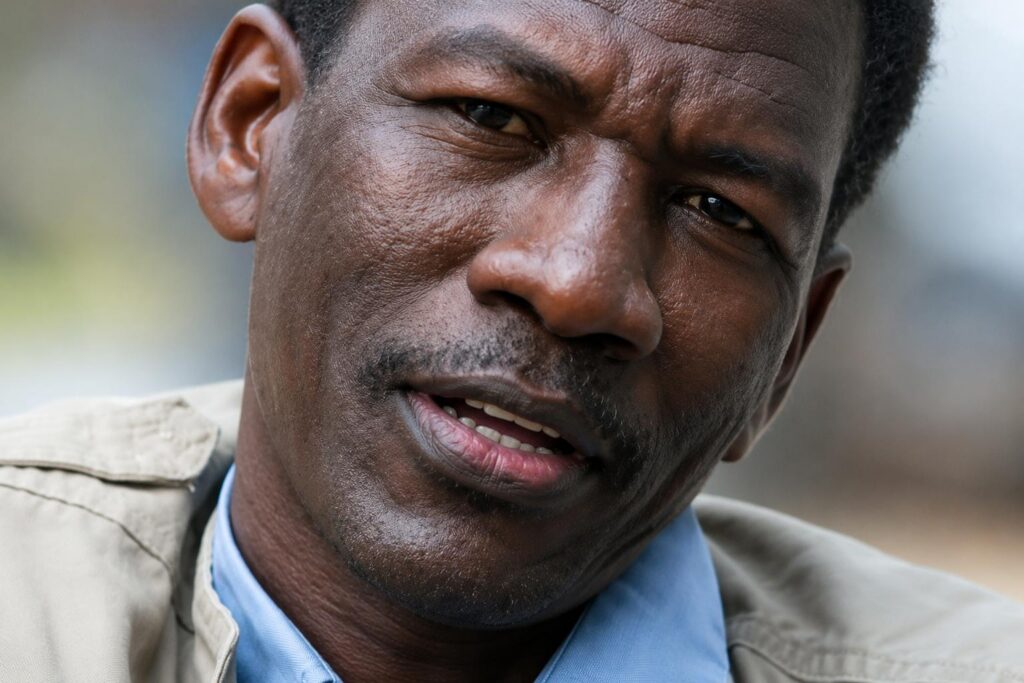

Behind Cameroon’s political landscape stands a figure whose influence often operates in the shadows. Oswald Baboke, the Deputy Chief of Staff to President Paul Biya, has shaped key decisions behind the scenes for decades. While his name rarely makes headlines, his role remains pivotal in maintaining the stability of one of Central Africa’s most enduring regimes.
Who is Oswald Baboke?
Born in a modest household in Cameroon, Oswald Baboke’s ascent in politics reflects both strategic acumen and unwavering loyalty. Over the years, he has become a trusted advisor to President Paul Biya, earning the nickname “the man who whispers in Biya’s ear.” His discretion and expertise in crisis management have solidified his position as a cornerstone of Cameroon’s governance.
A career built on discretion
Baboke’s professional journey spans multiple decades, marked by his involvement in high-stakes negotiations and policy formulation. Whether navigating internal party dynamics or external pressures, his ability to anticipate challenges and propose solutions has kept him indispensable. Colleagues describe him as methodical, meticulous, and deeply committed to preserving the status quo that has defined Cameroon’s political trajectory since Paul Biya took office in 1982.
His influence extends beyond mere advisory roles. Baboke has been instrumental in shaping Cameroon’s responses to regional conflicts, economic pressures, and diplomatic challenges. Under his guidance, the presidency has maintained a firm grip on power, even amid shifting political sands across Africa.
10 essential insights into Oswald Baboke’s world
- Early beginnings: Baboke’s political career began in the 1980s, a period when Cameroon was consolidating its post-independence identity. His early work in administration laid the groundwork for his rise.
- Loyalty as currency: Unlike many who rise and fall with political tides, Baboke’s allegiance to Paul Biya has never wavered. This steadfastness has been his greatest asset.
- Economic stewardship: Baboke has played a key role in managing Cameroon’s economic policies, particularly during periods of volatility. His strategies have often prioritized stability over rapid reform.
- Diplomatic finesse: Whether engaging with neighboring countries or global partners, Baboke’s approach combines firmness with pragmatism. This balance has helped Cameroon navigate complex international relationships.
- Security expertise: As Cameroon faces internal and external security threats, Baboke’s insights have been critical in shaping the country’s defense and intelligence strategies.
- Media strategy: Despite his low public profile, Baboke understands the power of perception. His behind-the-scenes efforts ensure that Cameroon’s narrative aligns with the government’s objectives.
- Family ties: While not widely discussed, Baboke’s family connections—particularly through Chantal Biya, the First Lady—have occasionally intersected with his professional roles, adding another layer to his influence.
- Generational shift: As Cameroon’s political landscape evolves, Baboke represents the bridge between older guard leaders and newer generations. His ability to adapt has kept him relevant.
- Crisis management: From political scandals to regional conflicts, Baboke’s crisis response strategies have repeatedly steered Cameroon away from chaos.
- Legacy in the making: Though rarely in the spotlight, Baboke’s contributions are etched into Cameroon’s political DNA. His work ensures that the Biya administration’s legacy endures.
The man behind the curtain
Oswald Baboke’s story is one of quiet power. In a country where political survival often demands visibility, his success lies in staying out of the glare of public attention. Yet, without his behind-the-scenes maneuvering, Cameroon’s political landscape might look entirely different today. As Paul Biya continues to lead, Baboke remains the steady hand guiding the ship—far from the cameras, but never far from the decisions that shape Cameroon’s future.