Cameroun: growing concerns over president’s extended absence
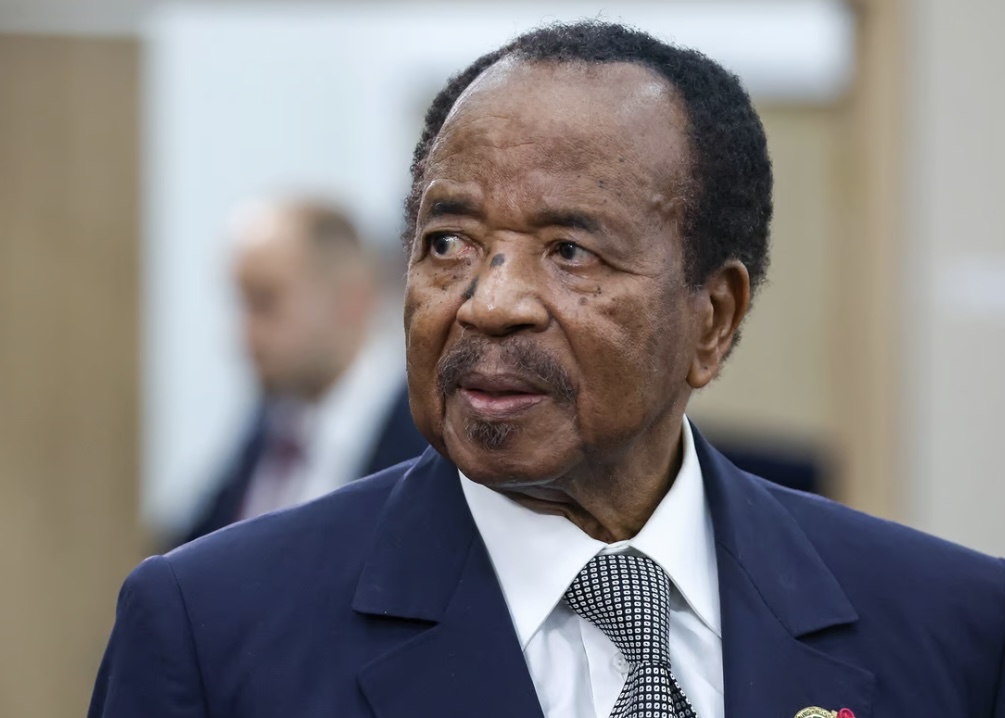
Forty-five days after President Paul Biya departed for a private visit to Europe, Cameroon’s ruling party, the Rassemblement démocratique du peuple camerounais (RDPC), convened an emergency meeting of its top officials. No official statement has been issued regarding the president’s potential return, leaving both citizens and political observers in a state of uncertainty.
The RDPC insists that government operations continue normally despite the president’s absence. Meanwhile, opposition leaders are demanding transparency about the exercise of power and the constitutional mechanisms in place for prolonged presidential absences. The tension underscores deep concerns about leadership continuity in a nation where the president has been in office since 1982.
- Politics

RDPC Secretary-General Jean Nkuete summoned what he described as a “critical working session,” though the official communiqué provided no details about the agenda or purpose. President Biya, 93, left Cameroon on June 7 for what was initially announced as a “short private stay in Europe.” Nearly seven weeks later, no official date has been set for his return.
The prolonged silence surrounding the president’s whereabouts has fueled speculation. In response, the RDPC has sought to reassure the public. In a July 15 editorial in L’Action, party propaganda chief Christophe Mien Zok dismissed claims of an “autopilot” government, declaring, “Power is not vacant” and “the Lion has not left.” State communication channels continue to release statements attributed to President Biya, including greetings to French President Emmanuel Macron on Bastille Day and the President of Montenegro, though no other public activities have been reported since his departure.
Opposition pushes for answers
MP Jean-Michel Nintcheu has called on the Constitutional Council to declare a presidential vacancy. Meanwhile, the Union démocratique du Cameroun (UDC) has taken a more measured stance, refusing to speculate about President Biya’s personal situation but stressing that governance cannot rely on silence or assumptions. In a July 18 statement, the party acknowledged that prolonged foreign travel does not automatically constitute a vacancy but argued that the lack of clarity raises legitimate questions about the effective exercise of presidential duties and the protocols for temporary incapacity.
Constitutional gaps exposed
Cameroon’s constitution does not specify a maximum duration for presidential absences abroad. Analysts argue this legislative gap requires urgent attention, though no mechanism exists to determine when the Constitutional Council should intervene. The UDC also highlighted the vacant vice-presidential position, reintroduced during the April constitutional revision but still unfilled. The party advocates for legal reforms to clarify the framework for prolonged presidential absences. This marks the longest such absence during Biya’s 42-year presidency, with no official guidance on his return.