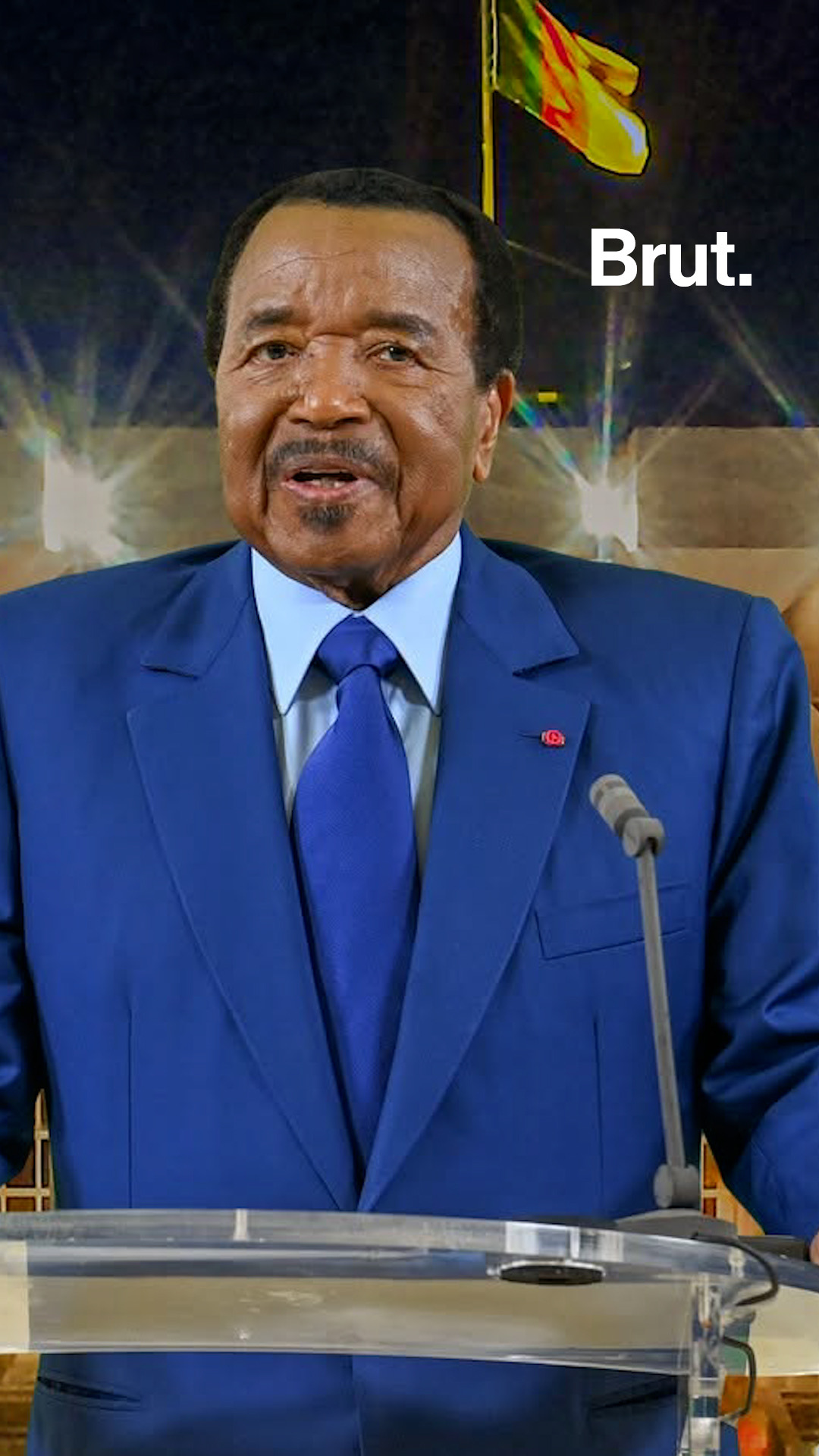
Cameroon is once again at the center of national debate following the publication of presidential decrees promoting five brigadier generals to higher ranks. The move has intensified speculation surrounding President Paul Biya‘s prolonged absence from public view, which began after his departure on June 7. While authorities insist the president remains in full control, social media users are questioning the authenticity of the signatures on the documents.
Decrees fuel speculation about President Biya’s whereabouts
The latest batch of decrees, all bearing President Biya’s signature, has raised eyebrows across the country. The documents, which follow a pattern of similar appointments in recent months, have triggered a wave of online discussions. Citizens and analysts alike are asking whether these actions signal a continuity of governance or if they mask deeper uncertainties about the president’s capacity to lead.
The government has responded swiftly to quell concerns, issuing statements that emphasize President Biya’s active leadership. Officials have reassured the public that the president continues to oversee national affairs from an undisclosed location, dismissing rumors of ill health or political instability as unfounded.
Social media amplifies questions over leadership
Cameroonian social media has become a battleground of opinions, with hashtags trending as users dissect every detail of the decrees. Some point to inconsistencies in the signatures, while others argue that the promotions are routine administrative procedures. The debate has exposed a growing divide between official narratives and public perception, particularly among younger, digitally savvy citizens who demand greater transparency from their leaders.
Government maintains position on presidential authority
In a rare public address, a government spokesperson reiterated that President Biya’s absence does not equate to a power vacuum. The administration has emphasized the role of the vice president and cabinet in maintaining stability, though critics question how long such arrangements can sustain public confidence without visible presidential engagement.
As the country watches closely, the situation underscores the delicate balance between maintaining order and addressing the legitimate concerns of a population eager for clarity. The coming weeks will be critical in determining whether these decrees serve as a reassurance or further fuel the growing unease.