Unprecedented enlistment campaign raises concerns in Ndélé
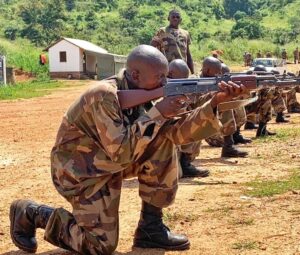
In a sweeping operation that has sent ripples through the region, 1,000 young men have been recruited in Ndélé, Central African Republic, by operatives linked to the Russian Wagner Group. The move, unfolding over recent weeks, marks one of the largest recruitment drives in the area since the deployment of foreign security forces began.
Local residents report that teams of recruiters visited neighborhoods, schools, and public gathering spots, offering financial incentives and promises of training to those who sign up. The initiative has sparked debate among community leaders, with some voicing support for the economic opportunities it presents, while others express alarm over the long-term implications of foreign military presence.
Economic pressures drive participation
With youth unemployment hovering at alarming levels across the Central African Republic, many young men see the recruitment as a viable alternative to persistent poverty. Reports indicate that participants receive monthly stipends, uniforms, and basic military instruction, though details about the nature of their future roles remain unclear.
The operation follows a pattern of increased foreign involvement in the country’s security sector, raising questions about sovereignty and the sustainability of such arrangements. Observers note that while immediate financial relief may ease household burdens, the broader consequences of aligning with external armed groups could reshape local power dynamics for years to come.
Reactions from Ndélé’s communities
In the streets of Ndélé, opinions are divided. Some families welcome the initiative as a chance to secure livelihoods, while others worry about the risks their sons may face. Community elders have called for transparency, urging authorities to clarify the terms of engagement and the protections afforded to recruits.
As the recruitment drive gains momentum, questions linger about the true objectives behind the Wagner Group’s presence in Ndélé. Whether this is part of a broader strategy to consolidate influence or a short-term effort to address immediate security gaps remains to be seen.
For now, the 1,000 young men who have stepped forward represent a microcosm of the Central African Republic’s ongoing struggle between survival and sovereignty.