President Mahamat Idriss Déby’s recent clemency decree has sparked both praise and criticism across Chad’s political landscape. While the move has been welcomed by some, it has also exposed deep divisions within the opposition and civil society.
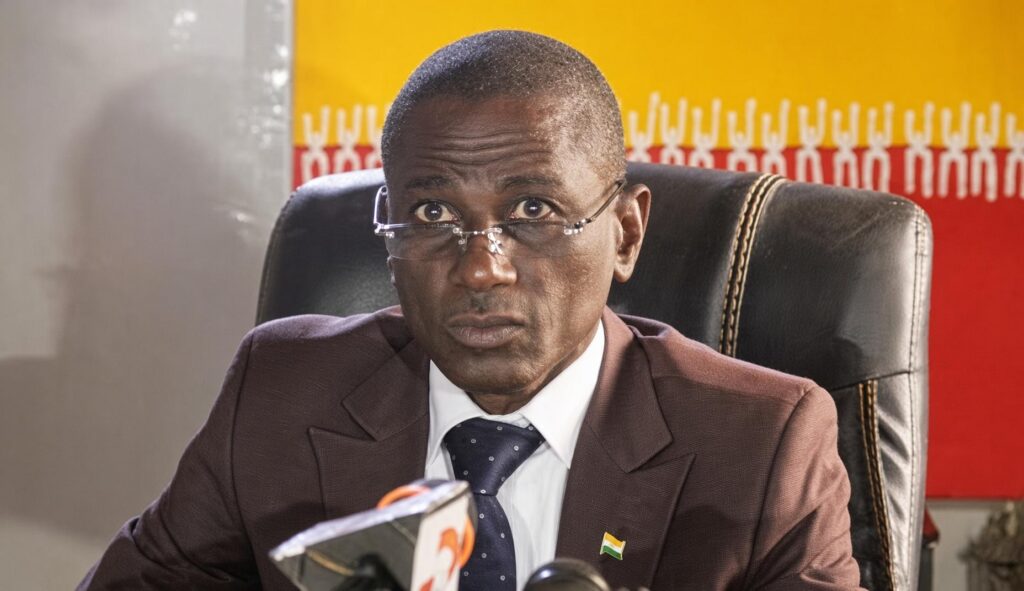
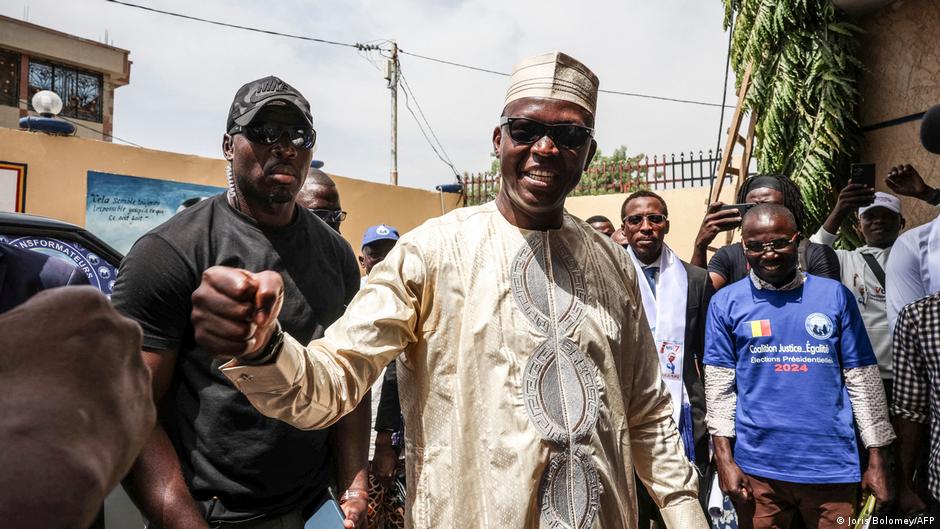
Among those released is former Prime Minister Succès Masra, who had been serving a 20-year prison sentence for incitement to insurrection. His release, along with eight other opposition leaders affiliated with the GCAP coalition, marks a significant shift in the government’s approach to political dissent. However, the clemency does not erase their criminal records, leaving them ineligible for future political participation.
Clemency vs. Amnesty: A Key Distinction
Political analyst Bétinbaye Yamingué highlights the critical difference between clemency and amnesty. “The president has exercised his constitutional authority to grant freedom, but true reconciliation requires parliamentary action,” he explains. “Without an amnesty law, these leaders remain barred from full political participation.”
The Challenge of Parliamentary Support
Under Chad’s legal framework, only the National Assembly can approve amnesty. Yet, the current legislature is overwhelmingly dominated by the ruling party, which holds 124 of the 188 seats. This imbalance raises questions about the government’s commitment to genuine political reform.
“Freedom alone is not enough,” warns Yamingué. “If the opposition cannot regain its political rights, this clemency could be seen as a tactical move rather than a step toward inclusivity.”
Mixed Reactions Across the Political Spectrum
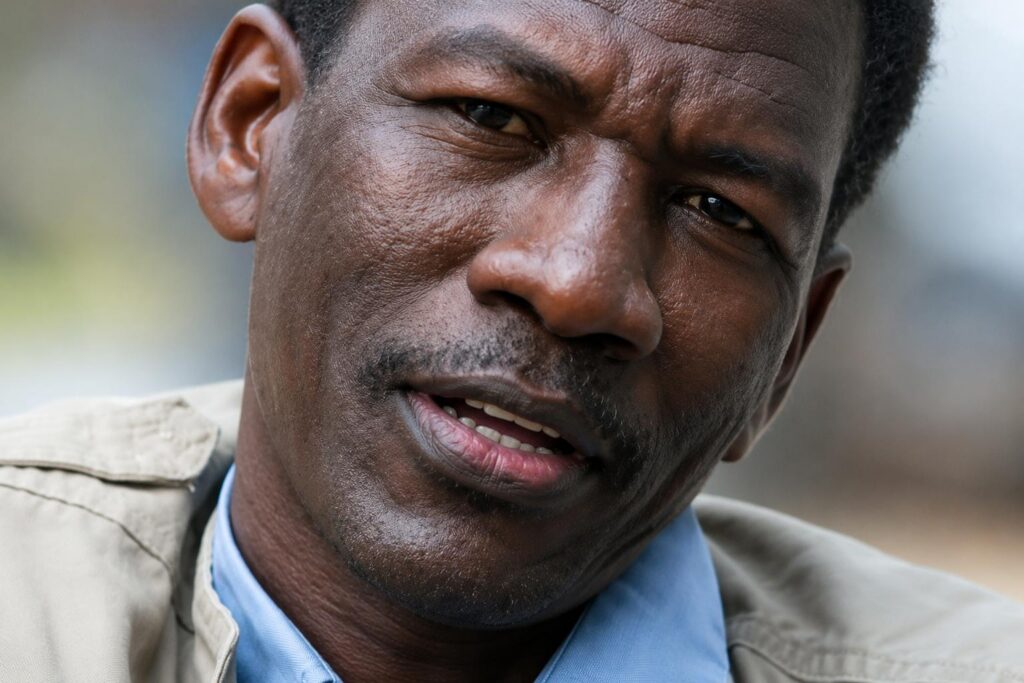
While some factions celebrate the decision, others remain skeptical. The Transformers party, led by Succès Masra, has yet to issue a formal statement, awaiting his release. Meanwhile, party vice-president Ndolembai Sadé Njesada praised what he called an “act of national unity,” expressing hope for dialogue to strengthen peace.
In stark contrast, Hissein Abdoulaye, spokesperson for the GCAP coalition, condemned the clemency. “Condemning political leaders, then granting clemency while stripping them of their civic rights is a severe democratic setback,” he argued.
The ruling Movement for National Salvation (MPS) framed the decision as “a healing gesture,” emphasizing its role in reuniting families and easing tensions.