Cholera outbreak in Chad: N’Djamena faces highest death toll
Chad is grappling with a worsening cholera outbreak, with 320 confirmed cases and 15 deaths recorded as of August 8. In just three days, 52 new infections were reported, pushing the national fatality rate to 4.7%—far exceeding the 1% threshold considered manageable under proper medical care. N’Djamena, the capital, stands out as the epicenter of fatalities, accounting for eight of the 15 deaths despite reporting fewer cases than other regions.
- Health

The outbreak has spread across three provinces: Hadjer-Lamis, Lac, and N’Djamena, affecting 58 villages and neighborhoods across twelve active health zones. Hadjer-Lamis leads in case numbers with 168 infections and five fatalities, while N’Djamena’s 92 cases have resulted in an alarming 8.7% death rate. In the Lac province, around Kangalom district, 60 cases and two deaths have been documented, with a fatality rate of 3.3%. Laboratory tests further confirm the disease’s active spread, with 56% of 48 samples returning positive results.
Young patients bear the brunt of the crisis
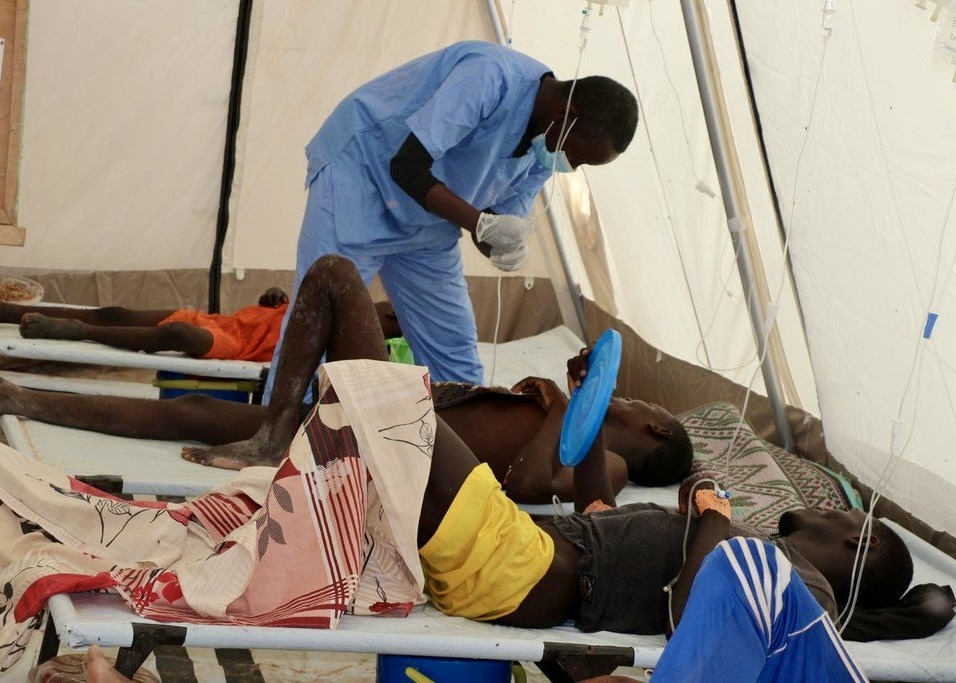
The demographic most affected is alarmingly young. The median age of infected individuals is just 10 years, with 84% of patients arriving in critical condition due to severe or moderate dehydration—a hallmark of cholera’s most dangerous manifestations. Nationwide, the attack rate stands at 13.3 cases per 100,000 people, underscoring the outbreak’s rapid escalation.
Vaccination efforts underway but challenges persist
Health authorities have launched a targeted vaccination campaign, inoculating 143,367 people—89.1% of the intended population—as of August 8. However, the response faces significant hurdles, including inadequate access to clean water, poor sanitation, open defecation, and high population density in affected areas. Movement of people and communication barriers in Lac province further complicate containment efforts, delaying critical awareness campaigns, patient tracking, and medical interventions.
Health officials urge immediate action, emphasizing handwashing with clean water and soap, drinking only boiled or bottled water, and seeking medical attention at the first sign of acute diarrhea. Cholera, an acute intestinal infection, spreads through contaminated food or water, with severe cases leading to rapid dehydration and death without prompt treatment.