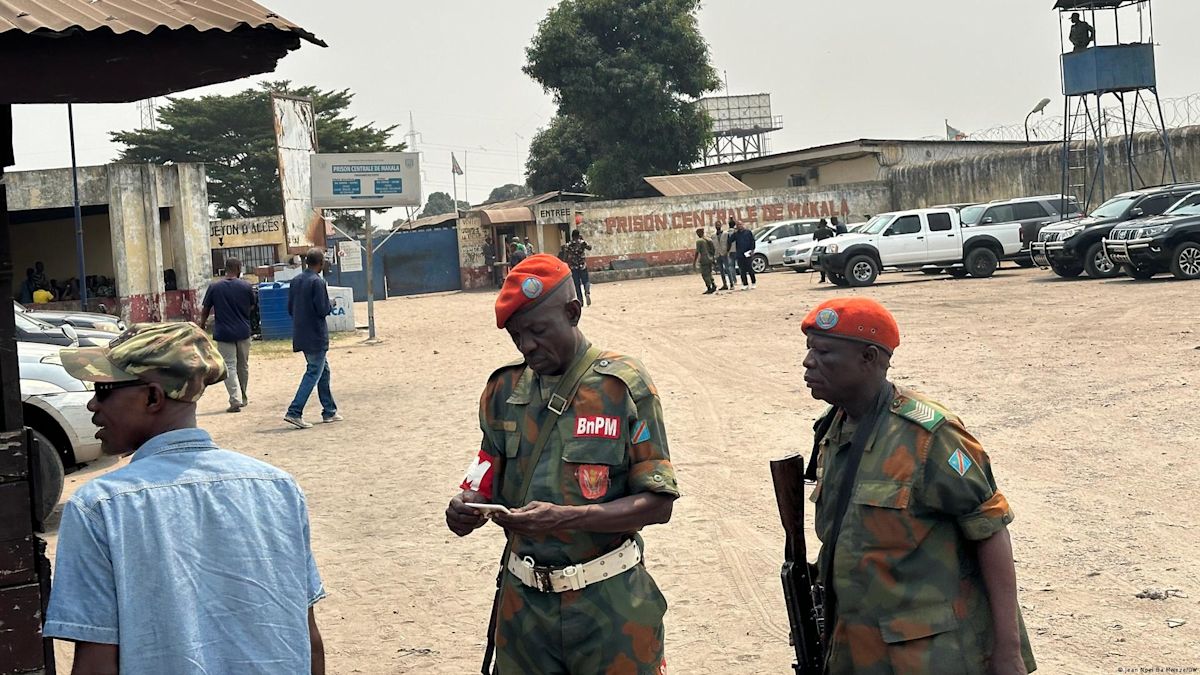
CNSA’s move to free prisoners a step toward Congo’s inclusive dialogue
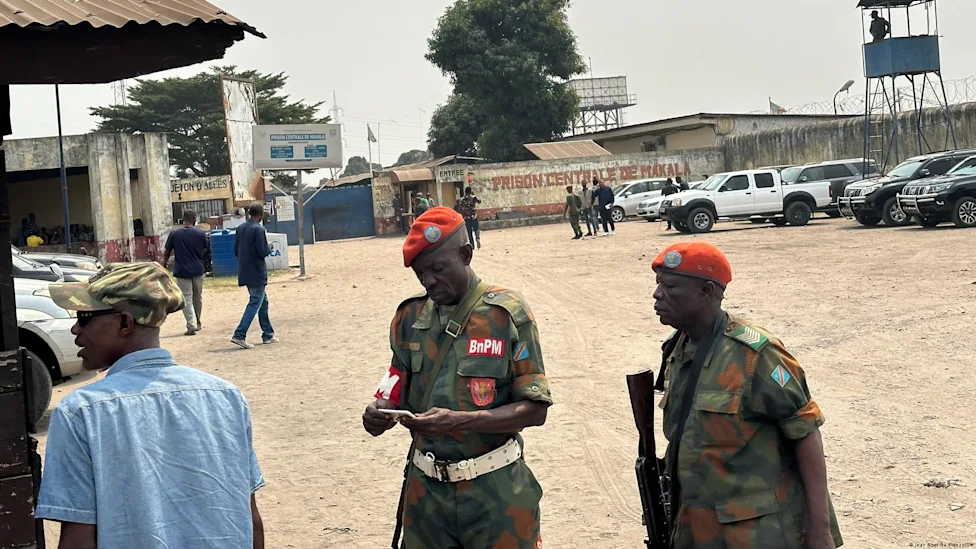
In the Democratic Republic of Congo, a week after the launch of a census of political and opinion prisoners, the National Council for Monitoring the Agreement and Electoral Process (CNSA) has emphasized that this initiative applies to all eligible individuals. The Council upholds a key principle: justice is universal.
The initiative aims to support confidence-building measures that the CNSA views as essential before convening an inclusive national dialogue in the DRC. The Council intends to compile a list of eligible detainees, which will be submitted to President Félix Tshisekedi, empowering him to take preemptive actions ahead of the dialogue between Congolese stakeholders.
Justice knows no boundaries
The CNSA has established strict criteria for examining the cases of individuals who may qualify for amnesty. This includes reviewing the legal status of detainees to determine whether their detention aligns with constitutional guarantees.
“The law does not discriminate,” stated Joseph Olenghankoy, CNSA President. “If someone is detained, they must be brought before a judge within 48 hours. Reports suggest some have been held for over six months without trial, which constitutes a clear violation of their rights. Our mission is to present these concerns to the highest authority so that measures can be taken to secure their release, fostering an environment conducive to dialogue.”
PPRD welcomes the initiative
The move has been warmly received by the political circle of Aubin Minaku and Emmanuel Ramazani Shadary, senior figures in the People’s Party for Reconstruction and Democracy (PPRD), once led by former President Joseph Kabila.
“If this CNSA initiative paves the way for the release of our detained comrades—Aubin Minaku, Emmanuel Ramazani Shadary, Dunia Kilanga, Parole Kamizelo, and others—we wholeheartedly support it,” remarked Lucain Kasongo, a PPRD cadre. “Any effort aimed at securing their freedom aligns with our aspirations for a fair and inclusive political process.”
Death sentences complicate the path to reconciliation
The situation is further complicated by the presence of high-profile figures serving death sentences, including former President Joseph Kabila and Corneille Nangaa, coordinator of the M23 rebellion. Timothée Mbuya, Coordinator of Justicia ASBL, a human rights organization, argues that these sentences must be overturned to restore trust.
“A political decision is needed to annul these death sentences, particularly for Joseph Kabila and Corneille Nangaa,” Mbuya stated. “Such measures are critical to building the political trust essential for launching an inclusive dialogue.”
As calls for an inclusive dialogue grow louder across the DRC, the CNSA’s initiative may serve as a turning point—provided it translates into tangible actions that address systemic justice concerns.
Related posts
DR Congo’s silent tragedy: why justice remains elusive after decades of war
In the Democratic Republic of Congo, a landmark campaign is demanding accountability for crimes that have...
Ivory Coast draws the line: rejecting US third-country deportation scheme amid sovereignty debate
The Ivory Coast has firmly rejected a recent US proposal to accept deportees from the United...
Senegal’s local elections: a critical tipping point for President Bassirou Diomaye Faye
The clock is ticking for President Bassirou Diomaye Faye as Senegal’s local elections approach—a decisive moment...