Building Peace Together: How Niger Leverages Community Dialogue to Counter Extremism
In the face of escalating insecurity and terrorist threats sweeping across multiple regions in Niger, a collective movement is gaining momentum. Stakeholders from diverse backgrounds are converging on inclusive dialogue as a cornerstone for sustainable peace. This grassroots approach transcends mere rhetoric, positioning itself as a national priority that demands the active involvement of every segment of society—from government institutions to local communities.
The first national forum of the Sahel Peace Initiative (SPI), held in Niamey on June 23–24, 2026, epitomizes this collaborative spirit. The event brought together residents from high-risk zones, religious leaders, security experts, and civil society representatives to forge a solidarity pact rooted in shared responsibility. Together, they mapped out actionable strategies for fostering social cohesion, peaceful coexistence, and long-term stability in Niger.
Voices from the Frontlines: Daily Struggles and Small Victories
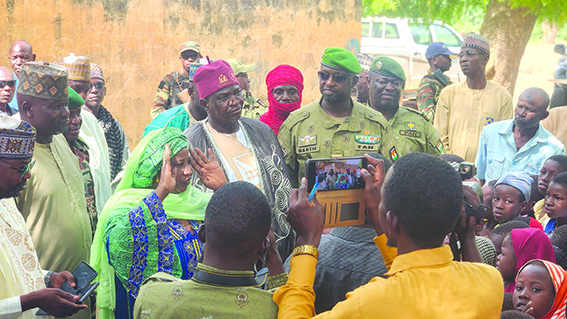
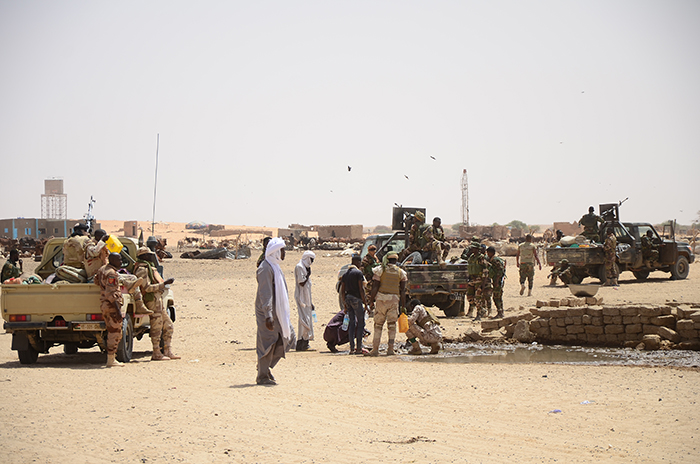
Despite ongoing counterterrorism efforts by state authorities, communities in Tera, Makolondi, and Torodi continue to face daunting challenges. The presence of defense and security forces (FDS) remains a lifeline, allowing residents to resume daily activities and travel safely. Without this protective shield, life grinds to a halt: markets close, fields lie fallow, and young people face the grim specter of forced recruitment by armed groups or exodus due to unemployment.
Seydou Hamidou, a youth leader from the rural commune of Makalondi in Torodi, shared harrowing accounts of life under threat. « Young people are routinely targeted for forced conscription, denied education, and left without livelihoods. Bandits steal livestock, extort illegal taxes, and displace families at will. Many of us who dream of joining the national army are intimidated—our lives and those of our parents are threatened if we dare to serve. »
Transportation costs have skyrocketed due to insecurity, with fares jumping from 3,000 to 15,000 CFA francs for the same distance. Victor Harouna, a resident of Téra, described how agricultural sabotage and displacement have devastated livelihoods. « Once, entire villages were uprooted, but thanks to sustained military interventions, many have returned—though daily survival has become a constant struggle. »
Women bear the brunt of the crisis. Amina, a community leader from Torodi, highlighted the erosion of economic independence and the psychological toll on families. « Women worry about children out of school, husbands lost to violence, and the impossibility of meeting basic needs. We beg for stronger military presence—it’s the only way forward. »
Government Mobilizes for Reintegration and Collective Action
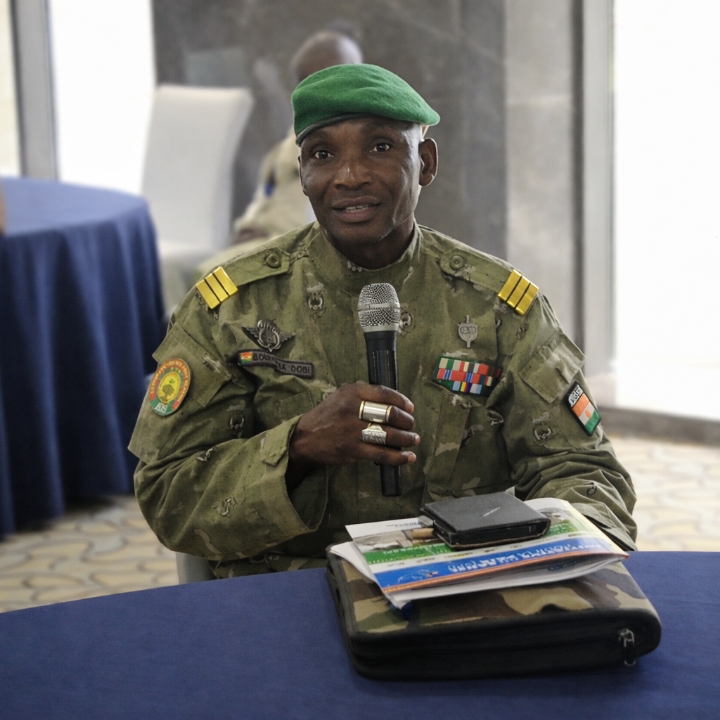
Captain Boureima Dobi, Prefect of Torodi, outlined the state’s commitment to reintegrating displaced populations. Thanks to coordinated security operations, over 800 families have returned to Makalondi, with a second wave of returns in progress. « The government is not idle. We continuously seek resources to provide food and essentials to our people. No effort is spared to ensure their well-being. »
He emphasized the critical role of community vigilance, noting that many attacks rely on local complicity—a challenge amplified by the blurring of lines between insurgents and civilians. « Progress is being made. Recently, four individuals surrendered their weapons and reintegrated into society. We’re redoubling awareness campaigns to foster responsibility and patriotism among citizens. »
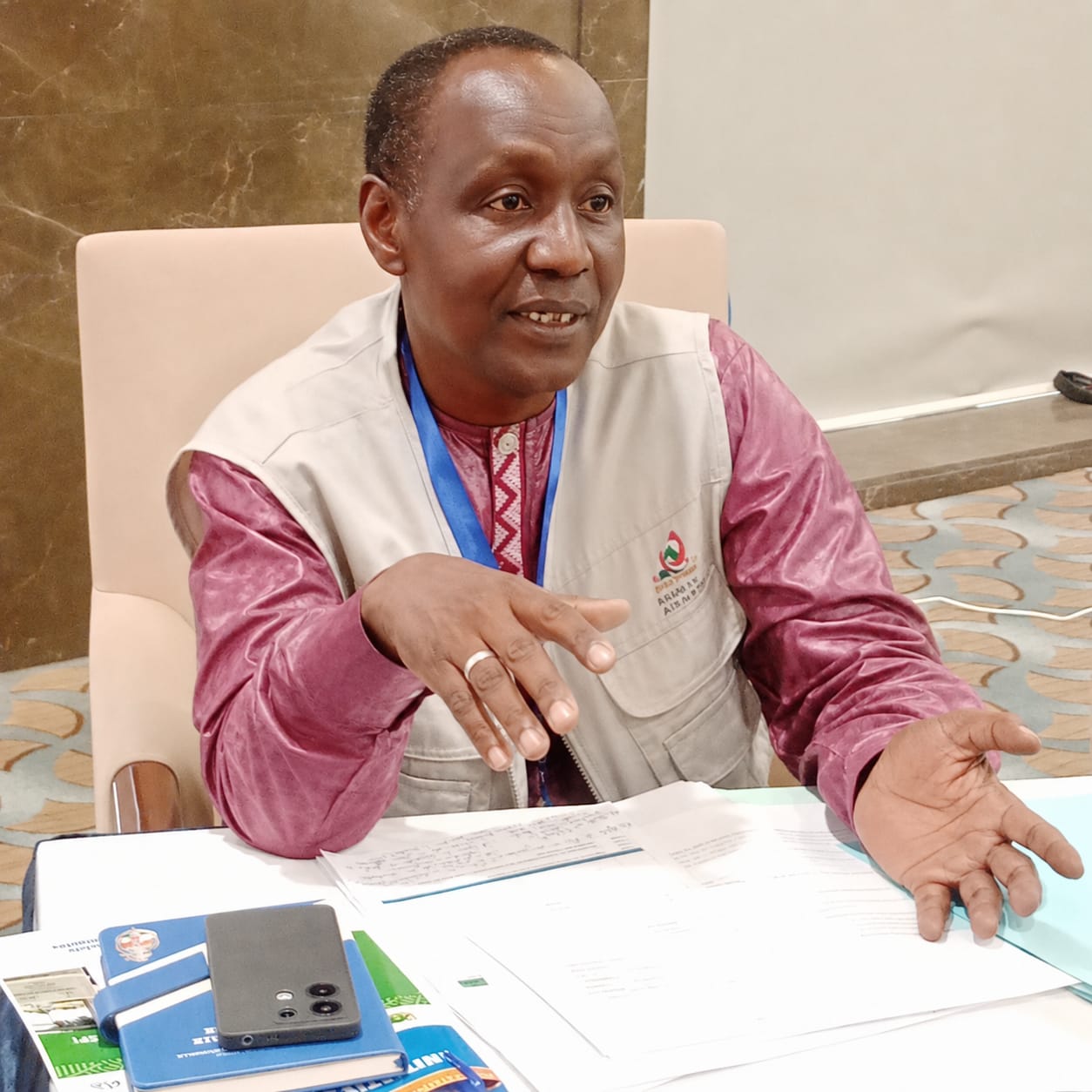
The High Authority for Peace Consolidation (HACP), reporting to the President’s office, is at the heart of Niger’s peacebuilding strategy. Boubacar Hamidou, HACP’s Director of Recovery and Stabilization, underscored the agency’s focus on capacity-building for community leaders, youth, and women. « Restoring trust between citizens and institutions is paramount. We’re implementing development projects in collaboration with local councils to address root causes of instability. »
The Sahel Peace Initiative: A Regional Commitment to Local Resilience
The Sahel Peace Initiative (SPI), launched in 2019 by West African Episcopal Conferences and partners like the CJP Burkina, is a regional network dedicated to social cohesion and community resilience in the Sahel. Its mission encompasses Niger, Mali, and Burkina Faso, uniting Christian and Muslim communities to promote peace, interfaith dialogue, and inclusive development in vulnerable areas.
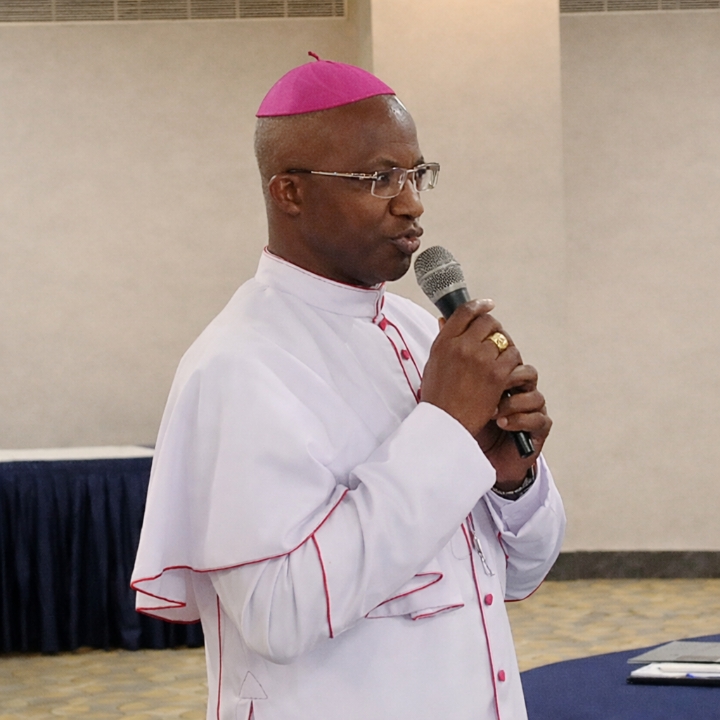
During the Niamey forum, Archbishop Laurent Lompo, SPI Working Group Chair, urged ongoing dialogue: « Peace thrives when communities—men, women, and youth—engage in intergenerational forums to address security challenges together. »
The initiative’s priorities include youth employment, peace education, citizen leadership, digital innovation for peace, community resilience, and psychosocial support. Recommendations from the Niamey forum aim to strengthen national cohesion and stability.
Religious Leaders as Architects of Reconciliation
Religion often lies at the heart of Sahelian conflicts, with extremists exploiting faith to sow division. In Niger, the National Committee for Intra- and Interreligious Dialogue (CDIR) emerged in response to Boko Haram’s rise in Diffa, evolving into a nationwide force for peaceful coexistence. CDIR’s mission: dismantling hate speech, mediating land and ethnic disputes, and fostering mutual understanding.
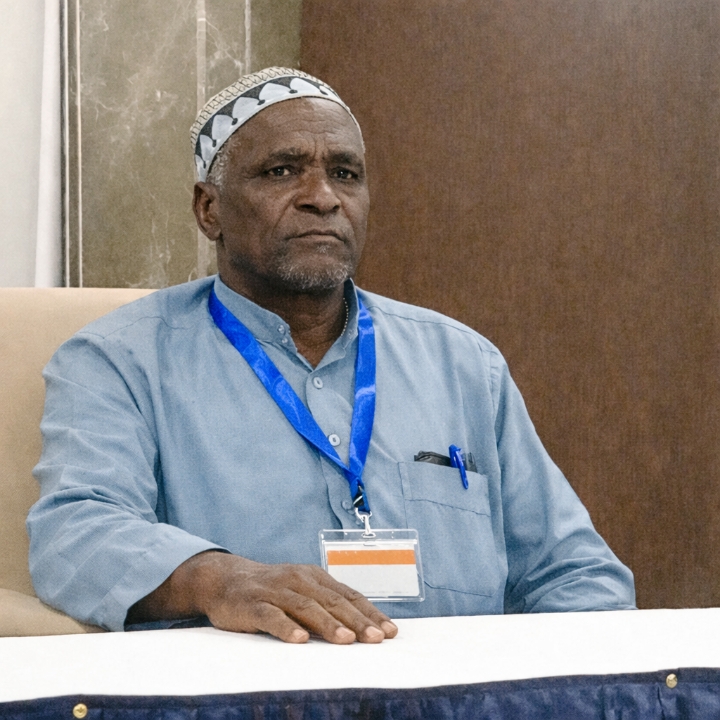
Sheikh Barham Aboubacar, CDIR’s National Coordinator, stressed the committee’s grassroots approach: « Our goal is to prevent religious tensions by clarifying misunderstandings, promoting dialogue, and addressing grievances before they escalate. We’ve resolved countless conflicts by anchoring solutions in shared values. »
The CDIR’s decentralized committees and local peace cells have become vital in bridging divides, ensuring that Niger’s diverse communities coexist despite external pressures.
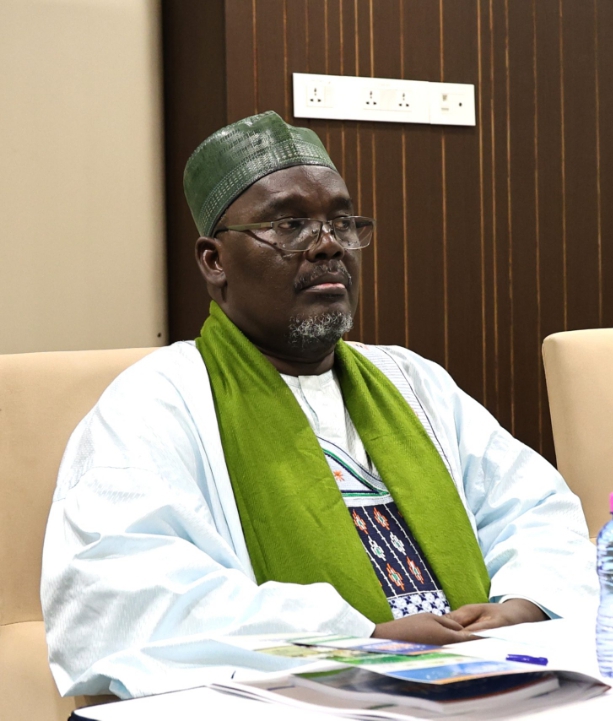
Media’s Vital Role in Upholding Truth and Unity
In times of crisis, community media—particularly local radio—serves as a bulwark against misinformation and a catalyst for unity. Alhassane Mahamane, Editor-in-Chief of Studio Kalangou, highlighted the unique role of nonprofit community radio: « We educate, amplify local concerns, and counter divisive narratives. These platforms are a national asset we must nurture—our programming reflects the priorities and realities of our people. »
By prioritizing factual reporting and civic engagement, Niger’s media landscape is becoming a trusted partner in the peacebuilding process.
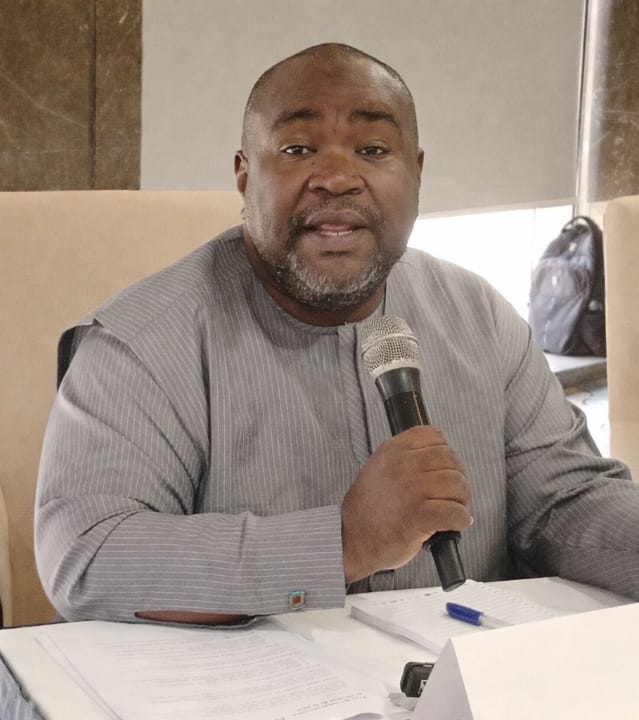
Women Leading the Charge for Sustainable Peace
Women are pivotal to Niger’s peace and development agenda. Amina Boukary, Partnership Coordinator for the NGO Women, Action, and Development (FAD), underscored their contributions: « Women create income-generating groups, advocate for girls’ education, and strengthen social cohesion. Yet, their full potential remains untapped without targeted support—leadership training, continued sensitization, and inclusion in decision-making bodies. »
The FAD’s work exemplifies how women’s networks can drive local development and peace, provided they receive the resources and recognition they deserve.
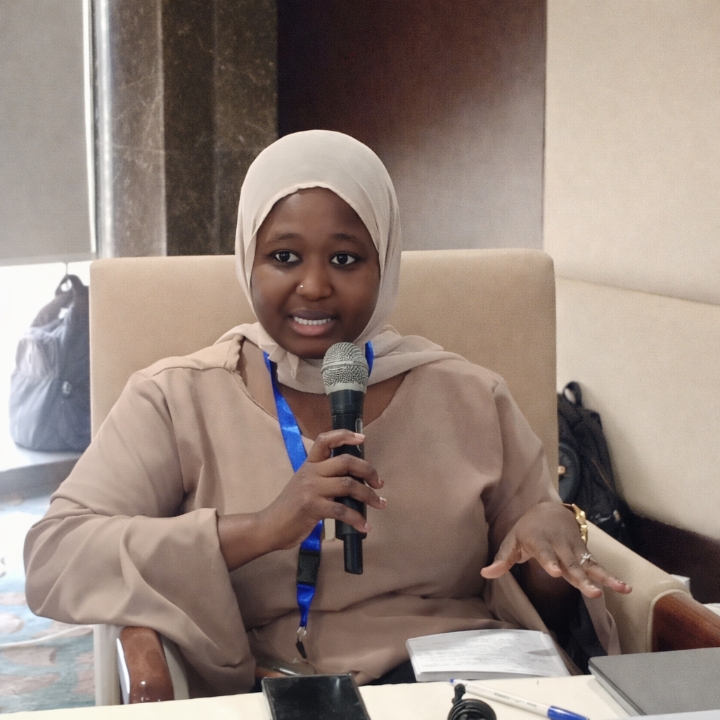
A Call to Collective Action
Peace in Niger is not a distant dream—it is being built every day through dialogue, resilience, and the unwavering commitment of its people. From the corridors of Niamey’s forums to the fields of Torodi, every voice matters. The path forward demands collaboration across all sectors: government, civil society, religious institutions, media, and especially women and youth. Together, Niger can turn the tide of instability into a future defined by unity and shared prosperity.