Controversial arrest of Burkina Faso’s influential imam Mohamed Ishaq Kindo

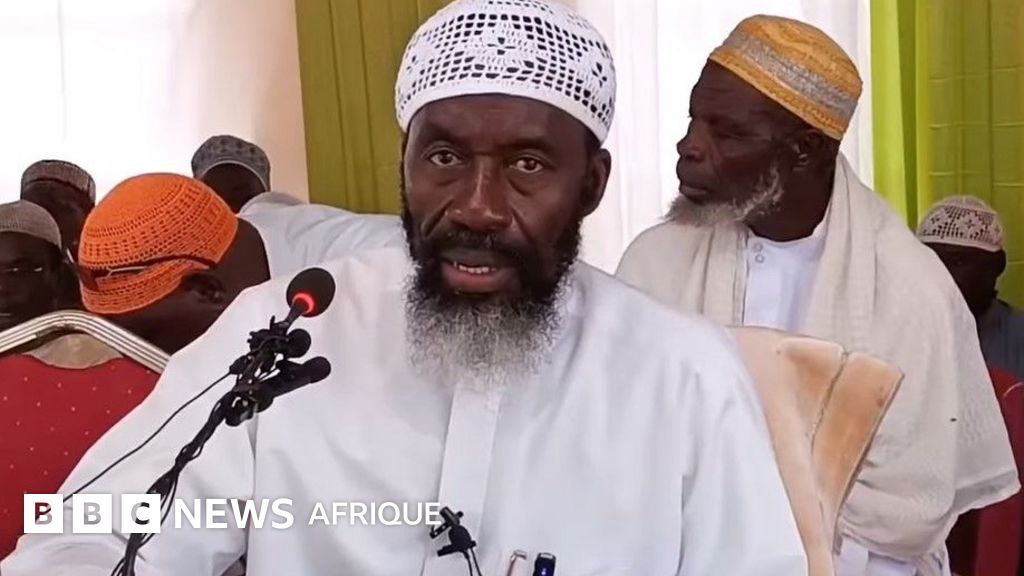
Ouagadougou — The arrest of prominent Sunni imam Mohamed Ishaq Kindo has sparked widespread debate across Burkina Faso. The religious leader was taken into custody on Tuesday, May 26, by security forces in Ouagadougou, with no official explanation provided regarding his whereabouts or the reasons for his detention.
His arrest comes just two days after he publicly criticized the newly adopted Religious Freedoms Bill, which was passed by lawmakers on March 19. The bill aims to regulate religious practices to curb online extremism and hate speech while preserving the country’s secular principles. The influential imam had warned authorities against restricting public prayers, declaring in a widely shared sermon recording: “Let everyone beware of attempting to ban prayers in public spaces. Whether leader or strongman, you hold neither the strength nor the power of God.”
Forcible detention amid rising tensions
Witnesses describe a violent operation. Around 2:00 PM local time—on the eve of Eid al-Kabir—security personnel, including masked police and military officers, stormed the location where Kindo was present, prompting resistance from his followers. Several worshippers were injured during the confrontation, adding to the community’s growing unease.
The Federation of Islamic Associations in Burkina (FAIB), of which Kindo serves as president of the Sunni Ulema Council, issued a statement shortly after his detention, confirming the arrest but noting that no formal charges had been disclosed. The organization stated it had initiated urgent appeals to authorities to clarify his status and secure his release.
Public outrage fuels protests and calls for calm
Within hours of the imam’s arrest, hundreds of Muslims took to the streets in Ouagadougou, demanding his immediate liberation. The demonstration was swiftly dispersed using tear gas, according to a local resident who spoke with reporters. Despite the unrest, the FAIB urged followers to remain peaceful, emphasizing the importance of dignity and restraint amid the crisis.
On the following day, coinciding with Tabaski celebrations, the atmosphere remained tense as the religious community closely monitored developments. Following prayers, the President of Burkina Faso addressed the nation on social media. While honoring security forces for their ongoing fight against jihadist groups, he also issued a stern warning to those perceived as threats to national stability. “Anyone seeking to undermine our security or sow discord will face the full consequences of their actions,” he stated, though no direct reference was made to the detained imam.
New religious law at the heart of the dispute
The Religious Freedoms Bill, adopted in late March, seeks to address growing concerns over online radicalization and hate speech. It prohibits the construction of places of worship within public administrative buildings, with limited exceptions for health facilities, prisons, and military barracks. Authorities assert that this measure is not meant to restrict religious expression in public spaces but rather to prevent sectarian tensions and ensure equal respect for all faiths.
Mariem Sanogo, Director General of Religious, Customary, and Traditional Affairs, clarified that the updated law was not a novel imposition but a response to escalating extremism and the spread of hateful rhetoric online. “We aim to restore national cohesion and protect our shared values,” she explained in a recent interview.
Since the military-led government of Captain Ibrahim Traoré assumed power nearly four years ago, Burkina Faso has faced persistent jihadist threats across large parts of its territory. While authorities justify their firm stance as essential for national security, critics argue it has also led to increased suppression of dissenting voices, including religious leaders.
At present, no official statement has been issued regarding the fate of Mohamed Ishaq Kindo, leaving the nation to await further developments with bated breath.