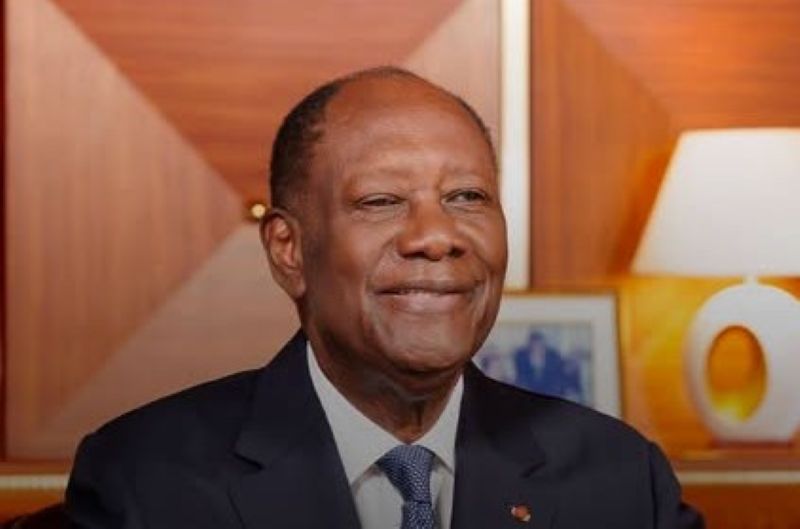
Côte d’Ivoire: Ouattara outlines vision for inclusive growth and rule of law
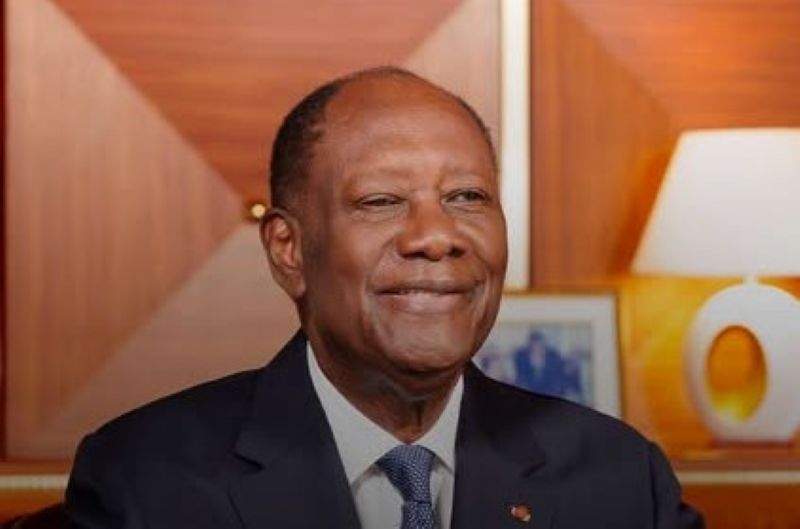
Abidjan, August 7, 2026 — On the eve of Côte d’Ivoire’s 66th Independence Day, President Alassane Dramane Ouattara has set forth a bold vision for the nation’s future. His address to the nation transcends mere economic metrics or security assurances, instead framing a dual mandate: accelerating the country’s transformation while deepening the rule of law.
The concept of the « Great Côte d’Ivoire » is more than a slogan—it represents a strategic shift. It challenges the nation to harmonize rapid economic expansion with equitable progress, ensuring that growth benefits all segments of society. The question now is how to translate infrastructure investments and industrial expansion into tangible improvements in living standards for every Ivorian.
Expanding ambition: the « Great Côte d’Ivoire » initiative
President Ouattara has called upon government institutions, private sector leaders, political parties, civil society, traditional authorities, religious communities, and the diaspora to coalesce around this vision. The emphasis is unmistakable: this is not a partisan endeavor but a national one, uniting all stakeholders under a shared developmental agenda.
Côte d’Ivoire stands at a pivotal moment, buoyed by strong economic indicators and ongoing investments in critical sectors such as infrastructure, transportation, energy, and port capacity. The newly unveiled National Development Plan for 2026-2030 is designed to propel the country into a new phase of growth, with clear benchmarks for progress. Yet, the true measure of success will lie not in the skyline of Abidjan or the length of new highways, but in the nation’s ability to bridge regional disparities, empower its youth, and convert economic gains into sustainable social uplift.
For the « Great Côte d’Ivoire » to materialize, it must evolve from a strategic blueprint into a lived reality for all citizens.
Balancing progress with justice
In his nationally televised address, President Ouattara reaffirmed the government’s commitment to addressing security risks, particularly in flood-prone areas affected by seasonal rains. However, he drew a critical line: administrative actions must remain within the bounds of legality. Recent reports of irregular evacuations in districts like Koumassi have triggered official investigations, with the president stressing that any violations of due process will be met with legal consequences.
This distinction is pivotal. While urban modernization and disaster preparedness may justify certain interventions, development cannot thrive in a legal vacuum. Citizens cannot be uprooted without due process or adequate safeguards. The president’s stance underscores a fundamental principle: the state can act decisively without resorting to arbitrariness. It can build, secure, and modernize—while remaining accountable to the laws it upholds.
The test of consistency
Côte d’Ivoire today faces a challenge far greater than economic growth alone. It must prove that a rising regional economic power can simultaneously strengthen its infrastructure, preserve stability, protect its people, and maintain public trust in its institutions.
The heart of President Ouattara’s message lies in this balance. The call for national unity will only resonate if every citizen feels included in the national project. Similarly, the rule of law cannot be reduced to a bureaucratic formality if state actions themselves bypass legal scrutiny.
The president has laid out a straightforward yet demanding path: build faster, secure more effectively, modernize the nation—but never lose sight of those for whom this transformation is intended. The « Great Côte d’Ivoire » will not be defined by its infrastructure or GDP alone. Its legacy will hinge on whether public power, justice, and inclusion converge into a cohesive, enduring reality.
Related posts
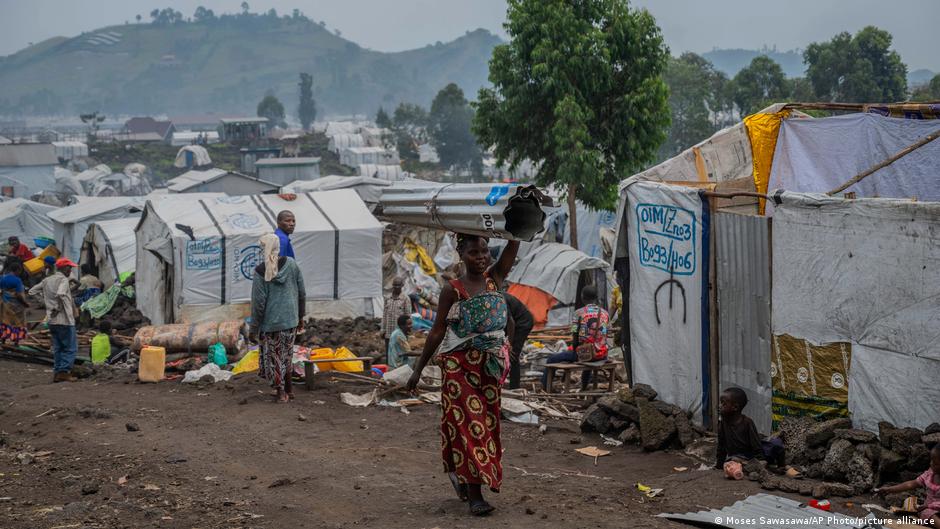
DR Congo’s silent tragedy: why justice remains elusive after decades of war
In the Democratic Republic of Congo, a landmark campaign is demanding accountability for crimes that have...
Ivory Coast draws the line: rejecting US third-country deportation scheme amid sovereignty debate
The Ivory Coast has firmly rejected a recent US proposal to accept deportees from the United...
Senegal’s local elections: a critical tipping point for President Bassirou Diomaye Faye
The clock is ticking for President Bassirou Diomaye Faye as Senegal’s local elections approach—a decisive moment...