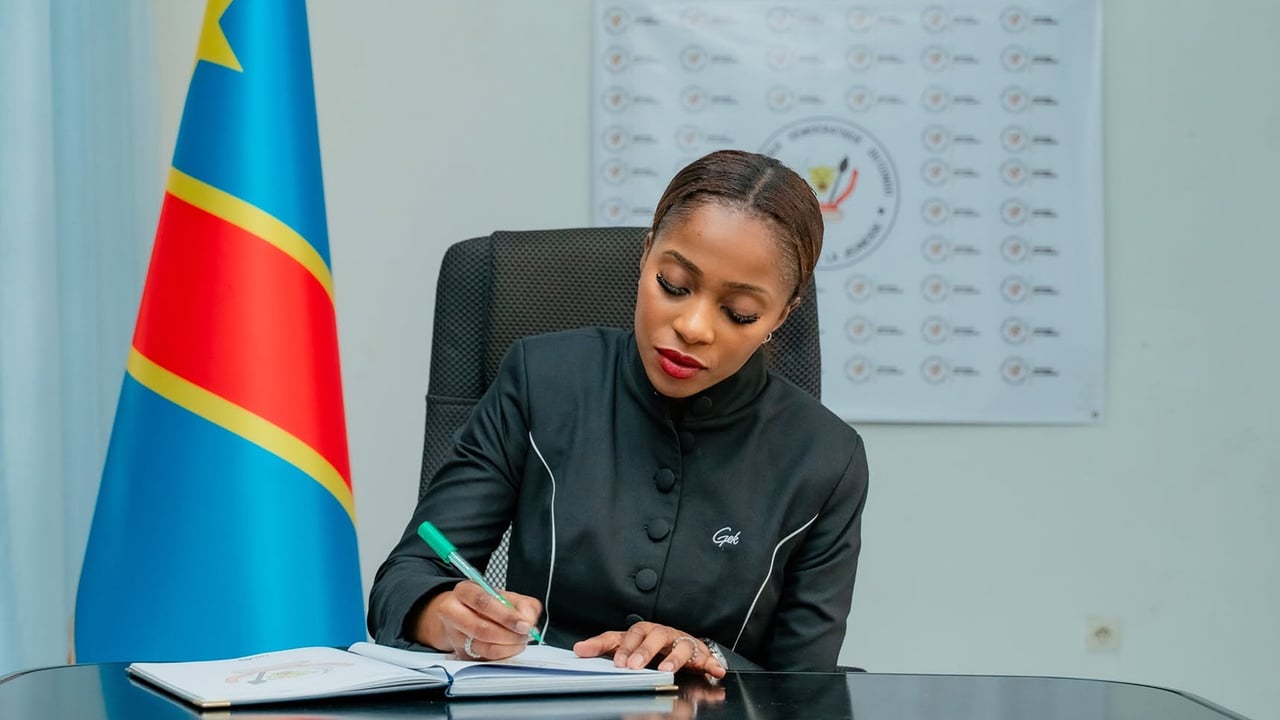
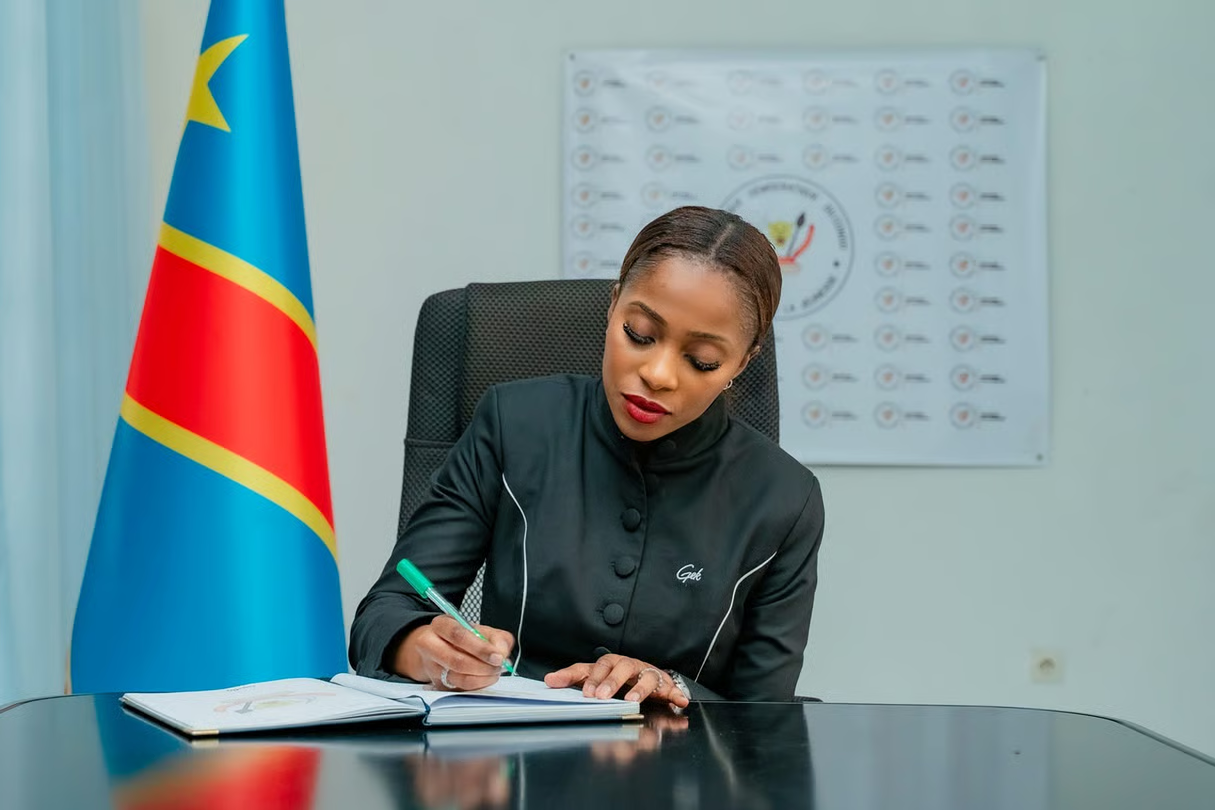
The recent declaration by Grâce Kutino, Minister of Youth and Patriotic Awakening in the Democratic Republic of the Congo (DRC), has ignited fresh discussions surrounding the country’s constitutional reform process. Speaking at a high-profile event, Kutino’s remarks—captured in the phrase “Yes, I do want it”—have raised questions about the government’s stance on potential amendments to the national charter.
What did the minister say?
During a parliamentary session focused on constitutional discussions, Grâce Kutino delivered a statement that many interpreted as a strong endorsement of revisiting the existing constitutional framework. Her words, though concise, carried significant weight, particularly as they came from a key government representative. The phrase “Yes, I do want it” was widely circulated, sparking speculation about the administration’s intentions regarding constitutional changes.
A shift in the debate?
The minister’s comments arrive at a critical juncture in the DRC’s political landscape. Constitutional reform has long been a contentious issue, with debates centering on term limits, decentralization, and the balance of power between national and provincial authorities. Kutino’s intervention suggests a possible realignment in the government’s position, though the full implications remain unclear.
Analysts note that her statement could signal a willingness to engage more openly with the reform process. However, without additional context or official documentation, the precise nature of the government’s stance remains open to interpretation. Political observers are closely monitoring the situation, as any move toward constitutional amendments could have far-reaching consequences for the country’s governance and stability.
Public and political reactions
The minister’s remarks have drawn mixed reactions from both the public and political circles. Supporters of the reform see Kutino’s words as a positive step toward modernizing the constitution to better reflect the needs of the Congolese people. Critics, however, warn against potential risks, including the possibility of centralizing power or undermining democratic principles.
In Kinshasa, the capital, discussions have intensified, with civil society groups and opposition figures calling for greater transparency. Meanwhile, pro-government voices emphasize the need for a balanced approach that addresses both stability and reform. The debate shows no signs of slowing, as stakeholders await further clarification from the authorities.
What happens next?
The coming weeks will be pivotal in determining the direction of the constitutional reform process. If the government follows through on Kutino’s apparent endorsement, legislative action could follow, potentially setting the stage for a national referendum. Until then, the phrase “Yes, I do want it” will continue to resonate, symbolizing both hope and uncertainty for the future of the DRC’s constitutional framework.
As the situation evolves, all eyes remain on President Félix Tshisekedi and his administration. Their next moves will shape not only the reform debate but also the broader political trajectory of the country.