In a rare display of discreet yet effective diplomacy, Morocco has once again positioned itself as a key mediator in the Sahel. Through high-level negotiations, Rabat successfully secured the presidential pardon of Yann V., a French intelligence officer sentenced to 20 years in a Malian military court last June.
Mali grants pardon amid regional tensions
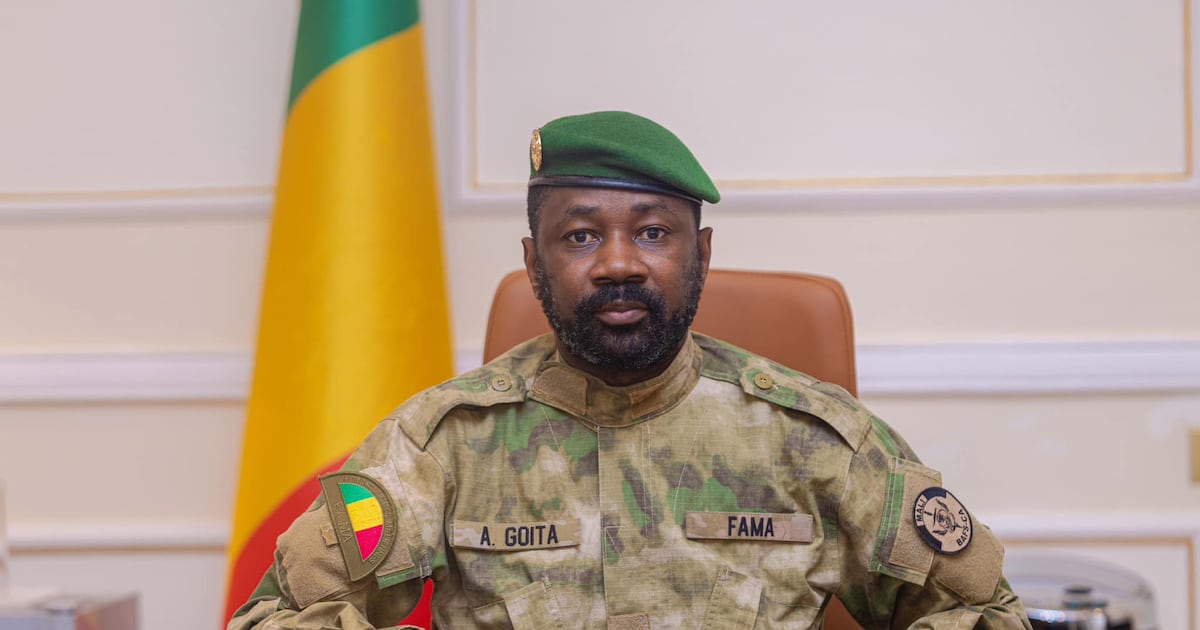
The Malian transitional government, led by General Assimi Goïta, announced the decision in an official statement. The pardon came with the immediate deportation of the French national from Malian territory, underscoring the gravity of the charges while acknowledging Morocco’s pivotal role. While the government’s communiqué did not explicitly name the mediator, it highlighted the “discreet yet decisive efforts of a brother nation whose good offices respected Mali’s sovereignty and contributed to this resolution.”
A year-long ordeal ends in diplomatic victory
The case dates back to August 2025, when Yann V., stationed at the French embassy in Bamako as part of a security cooperation mission, was detained by Malian intelligence services. He faced accusations of orchestrating a spy network aimed at destabilizing Mali’s transitional institutions and plotting a coup. After nearly 10 months in provisional detention at Bamako’s Camp 1 gendarmerie, he was tried in June 2026 and convicted. Despite the pardon, Malian authorities emphasized that the conviction stood, as the process had been fair and the facts established.
The diplomatic breakthrough follows Morocco’s earlier success in a similar crisis. In December 2023, four French DGSE officials were arrested in Ouagadougou under espionage charges. After a year of stalled negotiations, Morocco facilitated their release in late December 2024, earning public gratitude from French President Emmanuel Macron.
Morocco’s rising influence in West African diplomacy
These developments underscore Morocco’s growing role as a trusted intermediary in the Sahel, balancing relations with both African governments and European partners. By leveraging its diplomatic ties with Bamako and Paris, Rabat continues to demonstrate that quiet negotiation—without public fanfare—can yield tangible results in some of Africa’s most complex security challenges.