Ebola and conflict deepen hunger in eastern DRC’s crisis zones
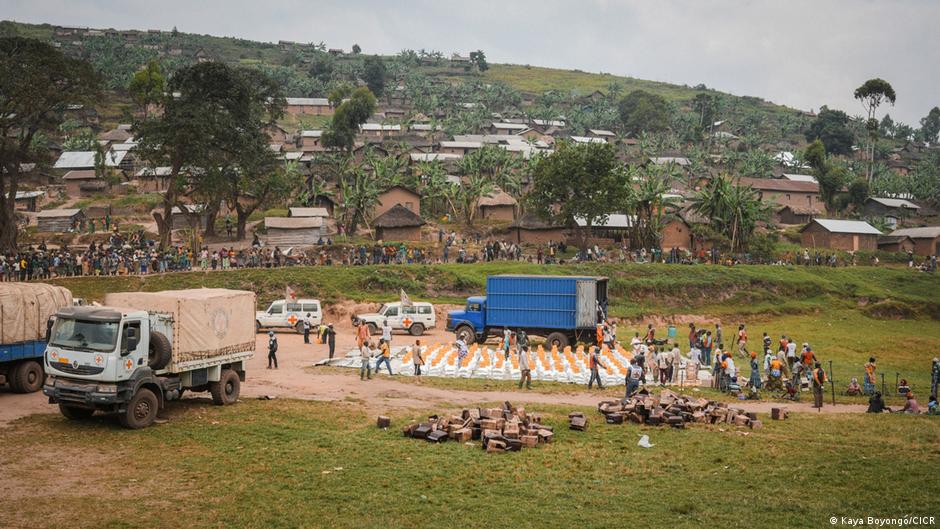
In the Democratic Republic of the Congo’s eastern provinces, families face an impossible choice: flee violence or face Ebola’s deadly reach. Chronic insecurity has already devastated livelihoods, but the resurgence of Ebola has pushed millions to the edge of starvation. The International Committee of the Red Cross has resumed critical food and seed distributions, reaching over 80,000 people despite daunting access challenges. Yet the question remains: how can aid workers deliver relief when communities must choose between contagion and hunger?
What happens when a health emergency strikes in a region already shattered by war?
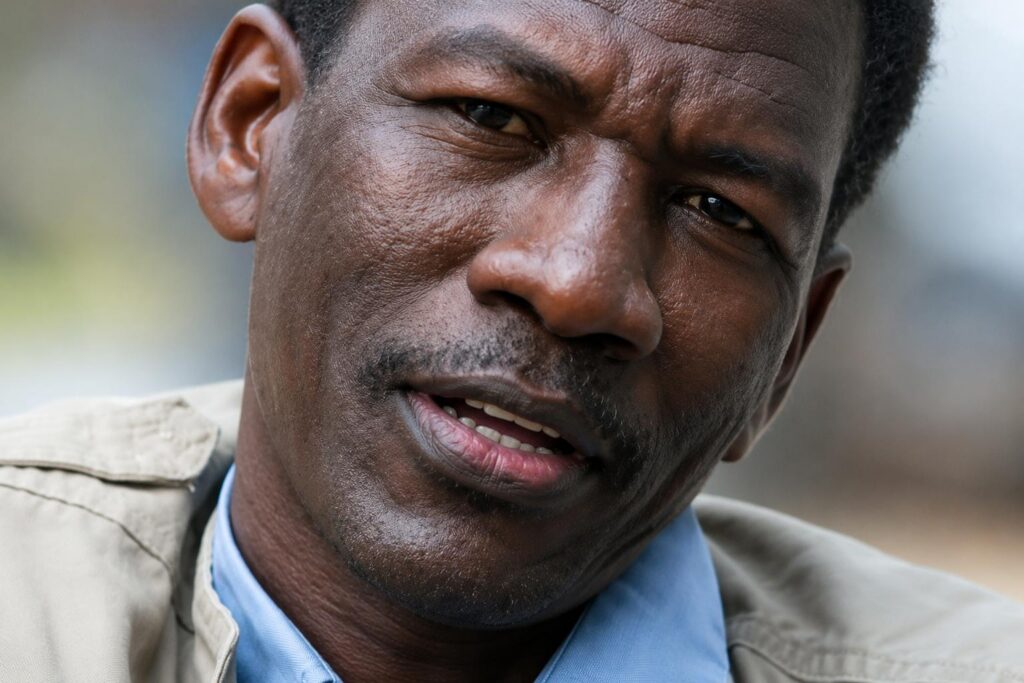
Abdoul-Karim Diomande, ICRC Programs Head in DRC: The Ebola outbreak compounds years of devastation from armed conflict across eastern DRC. Years of violence have systematically eroded communities’ resilience and economic prospects. Each crisis further weakens their ability to recover. In the worst-hit areas, Ebola strips away coping mechanisms while crippling local economies. Movement restrictions and market shutdowns hit hardest where families already struggle to meet basic needs.
How is this crisis reshaping food security and agricultural production?
Abdoul-Karim Diomande: The impact on food security is severe. Insecurity forces families to abandon distant farmlands, concentrating agricultural activity near perceived safe zones. This intensifies pressure on already limited arable land, risking long-term soil depletion. Agricultural extension services—vital for improving yields—operate at reduced capacity due to conflict and restricted access to displacement zones. Households’ resilience capacities are stretched to breaking point. Border areas suffer most, as trade restrictions and closed frontiers disrupt commercial flows that many communities depend on for food and income.