European leaders urge caution in criticizing Morocco over Ceuta migration surge
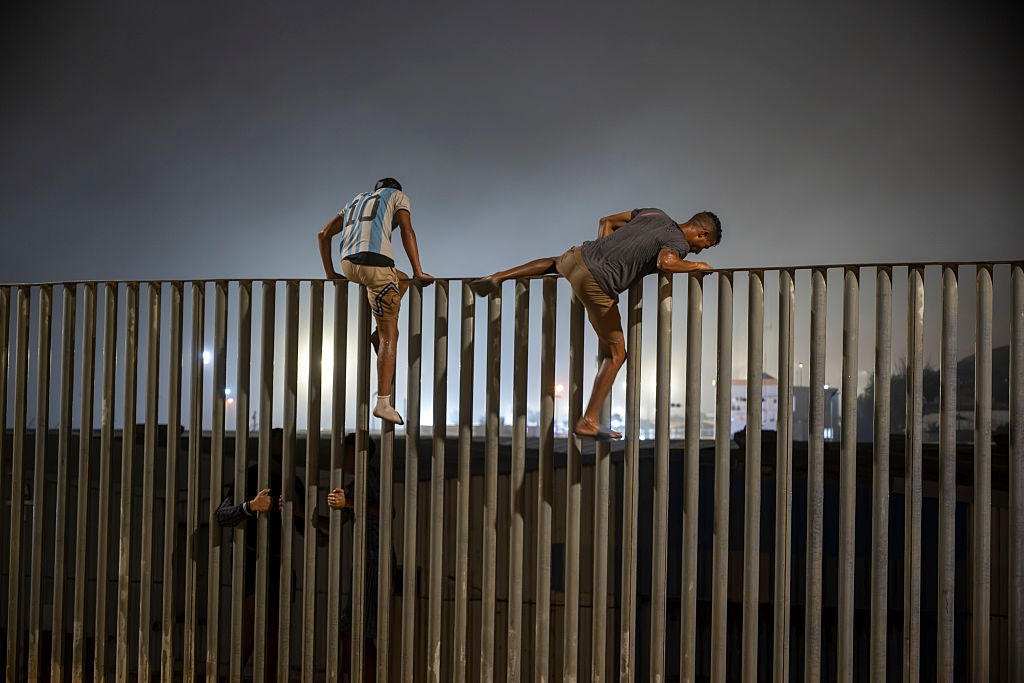
The Spanish government has privately urged European allies to refrain from openly criticizing Morocco following the unprecedented surge of over 72,000 migrants into Ceuta from neighboring Morocco in a matter of days.
Madrid’s request came during an emergency online meeting of EU Interior Ministers, where several questioned how such a large-scale border crossing could occur without at least a loosening of Morocco’s typically stringent border controls. The Spanish delegation emphasized the need to preserve the strategic partnership with Rabat, a key player in managing migration flows into Europe and a long-standing security ally against terrorism and organized crime.
Madrid avoids direct blame
Speaking to reporters at a press briefing, Spanish Interior Minister Fernando Grande-Marlaska stated that assigning blame may not be constructive. While the Spanish Defense Minister hinted at possible factors behind the crisis, Madrid has largely refrained from publicly criticizing Morocco. A Western government source suggested that Morocco may have tacitly approved the influx as a political signal to Spain.
The situation was further complicated by misleading social media claims suggesting a Spanish Supreme Court ruling had restricted the immediate deportation of irregular migrants arriving by sea in Ceuta and Melilla. This misinformation, amplified by rapid reactions from Russian-linked disinformation networks, added fuel to the already tense border situation.
German Chancellor Friedrich Merz was among the few EU leaders to openly call for Morocco to take responsibility and facilitate the return of migrants. However, most European officials avoided directly addressing Morocco’s role, despite widespread speculation in media reports and among analysts about how such a movement could occur without some relaxation of border enforcement.
European Commission President Ursula von der Leyen reiterated the bloc’s stance that migrants should not be used as political leverage, without naming Morocco. She also proposed exploring increased financial support for the North African kingdom as part of broader efforts to strengthen EU-Morocco relations.
EU shifts focus to disinformation amid migration crisis
Rather than confronting its key partners, the European response has pivoted toward combating disinformation and disrupting migrant smuggling networks. This approach aligns with messaging from Rabat, which has blamed the crisis on the exploitation of digital spaces and a Spanish court decision that fueled false expectations about legal consequences for those attempting to enter Europe via Ceuta.
European Commissioner for Migration Magnus Brunner confirmed on Tuesday that Europol is investigating potential disinformation campaigns linked to the crisis. EU ambassadors and ministers have discussed the role of misinformation in exacerbating the situation and stressed the need for improved intelligence sharing to counter false narratives online.
The European External Action Service is also examining whether Russian actors sought to exploit the events on social media for political purposes. Meanwhile, Frontex, the EU’s border agency, is considering expanding its mandate in the upcoming Commission review to include monitoring disinformation spread across digital platforms.
However, no independent studies or clear investigations have yet confirmed a coordinated disinformation campaign preceding last week’s events.