Historic UN funding signals strategic shift for Gabon
The United Nations in Gabon has marked a decisive turning point in 2025 with the mobilization of 10.5 billion FCFA (approximately $18.5 million)—the largest annual allocation since the UN system began coordinated operations in the country. This unprecedented financial commitment was announced during a high-level press engagement led by resident coordinator Fatou Aminata Lo, who emphasized the broader mission behind the figures.
“This isn’t just about funding mechanisms, but about creating sustainable pathways that transform governance into tangible citizen benefits”, she told journalists, setting the tone for a conversation that would bridge policy ambitions with real-world impact.
Beyond the numbers: A three-pillar strategy takes shape
The 2025 funding framework breaks down across 21 UN entities and engages nearly 300 professionals—70% of whom are Gabonese nationals. This locally anchored approach focuses on three interconnected priorities that reflect both international development standards and Gabon’s national priorities:
- Governance & human rights acceleration: Strengthening institutional frameworks to build transparent, accountable public institutions that serve citizens effectively.
- Green & blue economy transition: Catalyzing sustainable economic growth through renewable energy initiatives, sustainable fisheries, and responsible natural resource management.
- Social inclusion & equal opportunity: Addressing systemic barriers to ensure marginalized communities—including youth, women, and rural populations—access economic, educational, and social mobility.
Press engagement reveals both vision and accountability
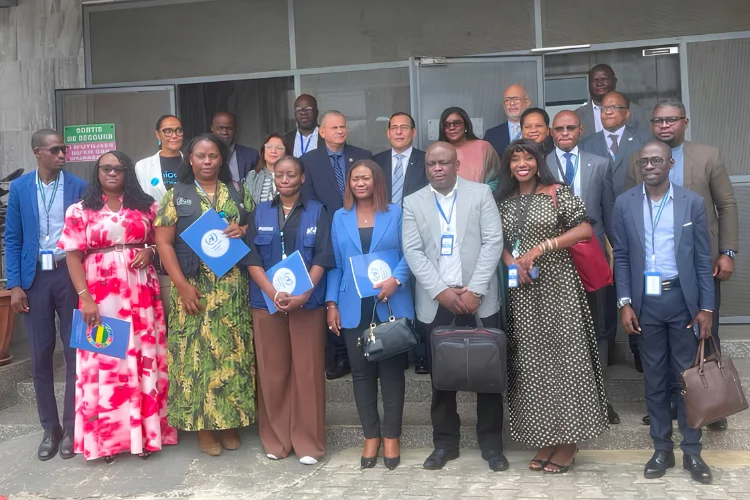
The press conference, held at the UN Common House in Libreville, served as a rare unfiltered platform where journalists interrogated the practical implications of this funding surge. Key concerns revolved around operational transparency, immediate socio-economic relief for vulnerable groups, and the sustainability of policy transformations promised by this unprecedented injection of resources.
These exchanges underscored a critical moment: the UN’s role is expanding beyond traditional development assistance into a collaborative architect of systemic change. The dialogue signalled a commitment to move from abstract commitments to measurable, community-level outcomes—especially as Gabon prepares its next national development framework for 2028–2032.
From pledge to progress: What comes next?
With 10.5 billion FCFA now secured, the UN in Gabon faces a dual challenge: rapid deployment of funds without bureaucratic delay, and ensuring these resources reach the communities that need them most. Early indicators suggest a focus on pilot programs in urban Libreville and rural coastal zones—regions where poverty and environmental stress converge.
The coming months will reveal whether this financial breakthrough translates into a developmental leap—closing inequality gaps, catalyzing green jobs, and embedding human rights protections into national policy frameworks. One thing is certain: in Gabon, 2025 has been declared a year of strategic momentum, and the world is watching.
Photographs from the press engagement are available for media use upon request.