Gabon’s economic diplomacy: translating African tours into tangible results
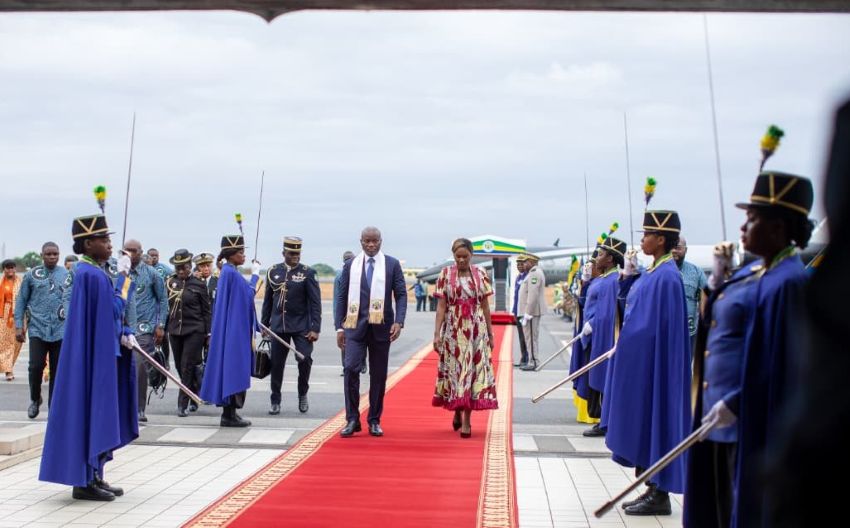
Libreville, August 8, 2026 – The 12-day diplomatic journey across Africa undertaken by Gabonese transitional leader Brice Clotaire Oligui Nguema concluded Friday with his return to Libreville. This carefully orchestrated tour wasn’t merely a diplomatic ritual but a strategic move to reposition Gabon on the continental stage.
The true test now begins: moving from handshakes and signed declarations to concrete economic dividends. The success of this African outreach will ultimately be measured not by the number of meetings held, but by their tangible impact on Gabon’s economy through new investments, infrastructure development, job creation and expanded market access for Gabonese businesses.
From symbolic diplomacy to economic leverage
This recent diplomatic offensive represented a significant evolution in Gabon’s foreign policy approach. Traditionally focused on political representation, the country’s international engagements are now being repurposed as economic development tools. The itinerary covered critical sectors including energy, infrastructure, agriculture, vocational training and trade.
Abidjan emerged as a key stop in this strategy. The Gabonese president’s visit focused on examining Côte d’Ivoire’s industrial and urban development models, with particular attention to major infrastructure projects and economic partnerships. Meetings with major Ivorian corporations like NSIA and Aurion Capital specifically targeted investment opportunities in Gabon’s energy sector and beyond.
This approach reflects a fundamental truth: for a resource-rich nation seeking economic diversification, foreign policy must serve as an economic catalyst. By showcasing Gabon as an attractive investment destination while strengthening state-to-state relationships, this diplomatic offensive served dual purposes.
Building reciprocal economic partnerships across Africa
The vision driving this African tour goes beyond mere solidarity. Gabon seeks to deepen its continental integration through mutually beneficial economic cooperation frameworks. Côte d’Ivoire’s development model provides valuable lessons in this regard – demonstrating how targeted infrastructure investments, industrialization and private sector mobilization can elevate a nation’s economic standing in its region.
Observing Ivorian urban planning, industrial facilities and transportation systems firsthand, Oligui Nguema wasn’t engaging in mere protocol. He was actively seeking best practices that could inform Gabon’s development trajectory. This learning approach transforms traditional diplomacy into an active process of economic benchmarking and knowledge transfer.
This same principle applies to all partnerships forged during the tour. Whether in energy infrastructure, agricultural development or vocational training, the agreements signed must now translate into measurable progress. The real work begins with implementation.
The moment of truth: converting promises into progress
The president’s return to Libreville marks the beginning of a new evaluation phase. Diplomatic success cannot be judged solely by the number of agreements signed or meetings conducted. The true metrics of success will be:
- How many investment commitments materialize into concrete projects
- How many new jobs are created through these initiatives
- Which specific infrastructure projects reach completion
- What technology transfers are secured
- What new market opportunities open for Gabonese enterprises
This is where the rubber meets the road. While the tour successfully enhanced Gabon’s diplomatic positioning and created new cooperation pathways, the acid test will be whether these efforts translate into real economic transformation that benefits Gabonese citizens.
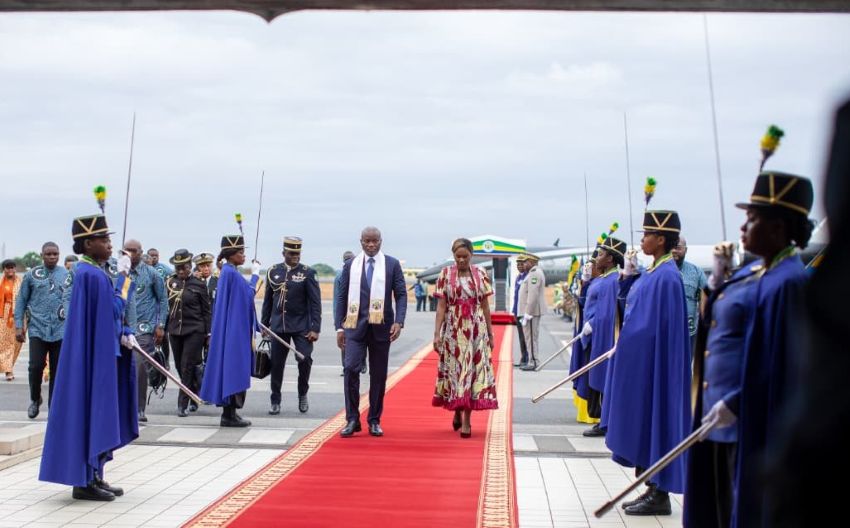
The symbolic gesture of wearing the white presidential sash adorned with Gabon’s coat of arms during the tour perfectly encapsulates the dual mission of maintaining national identity while embracing continental cooperation. But symbols alone won’t drive development.
The next measure of success may well be how many projects reach completion rather than kilometers traveled. Gabon now has a diplomatic window to attract partners, negotiate investments and implement successful African development models. The challenge ahead is to demonstrate that this new diplomatic approach can become an engine of economic transformation rather than merely a showcase for Gabon’s potential.
The challenge is clear: transforming diplomacy from a passive representation tool into an active engine of national development.