Global health alert: Ebola response in DRC demands urgent pay for frontline nurses
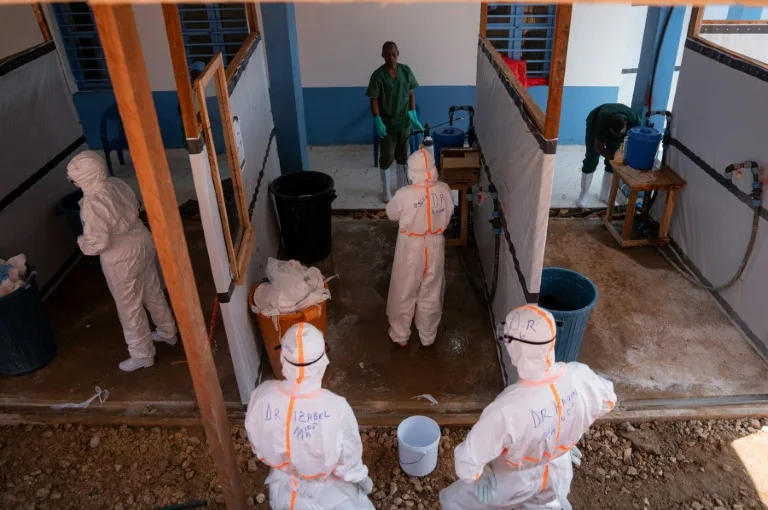
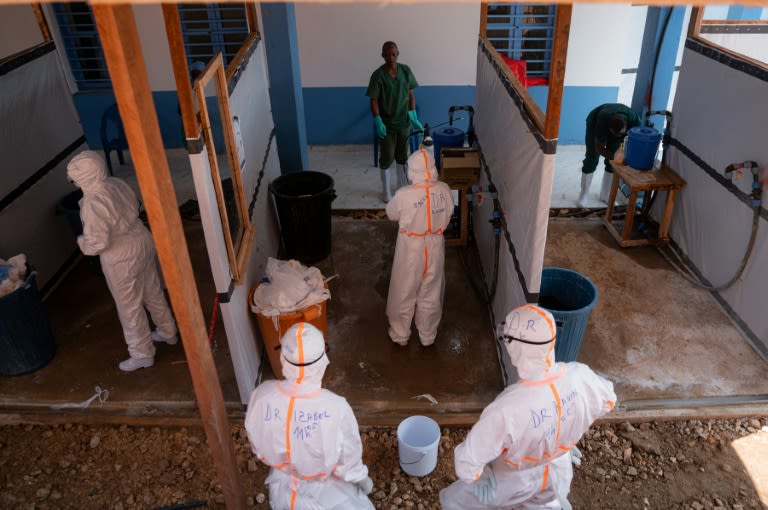
The International Council of Nurses (ICN) has issued an urgent call for Congolese authorities to immediately compensate and safeguard frontline healthcare workers battling the latest Ebola outbreak in the Democratic Republic of the Congo (DRC).
Since declaring its 17th Ebola epidemic on May 15, the DRC has struggled to contain a virus that continues to outpace response efforts. The country’s already underfunded healthcare system, ranked among the world’s poorest, is stretched to its limits by this relentless crisis.
“It is impossible to fight Ebola without paying those who lead this battle,” stressed Howard Catton, ICN’s Chief Executive Officer, in a formal statement. The ICN, a global federation uniting over 140 national nursing associations and representing more than 30 million nurses worldwide, has raised the alarm over unpaid salaries endangering both healthcare workers and public health.
“Nurses and other frontline health professionals are risking their lives to protect communities, often at great personal cost. Yet, months into this crisis, many remain unpaid,” he added. “This is not just unfair—it is a direct threat to our ability to control this outbreak.”
The ICN, headquartered in Geneva and established in 1899, has formally written to Roger Kamba, DRC’s Minister of Health, demanding immediate action to resolve delayed payments and provide critical protections for nurses and healthcare staff on the front lines of the epidemic.
According to the ICN, nurses and health workers report that they have not received their salaries or risk allowances for two to three consecutive months. The lack of financial compensation has created a dangerous environment where dedicated professionals are forced to work without basic security.
“This situation demands urgent political leadership and direct intervention,” Mr. Catton emphasized. “Our message is clear: pay health workers what they are owed. Ensure regular salary disbursements moving forward. And provide the protective gear, insurance, risk allowances, and other essential safeguards they desperately need.”
The ICN’s demands extend beyond immediate payments. They call for guaranteed future compensation, adequate personal protective equipment (PPE), comprehensive insurance coverage, risk allowances, and other vital protections to ensure health workers can perform their duties safely and effectively.
The current Ebola outbreak has already claimed over 2,128 lives and infected 4,566 people in the DRC—just three months after it was declared. This marks the second-largest Ebola epidemic on record, and it is spreading faster than any previous outbreak.
“This is the second-largest Ebola epidemic ever recorded, and it is spreading faster than all previous outbreaks,” warned Dr. Tedros Adhanom Ghebreyesus, Director-General of the World Health Organization (WHO), earlier this week. “At the current rate, it is on track to surpass the West Africa Ebola outbreak of 2014–2016.”
Within three months, the DRC has recorded seven times more cases and five times more deaths than during the first three months of the deadliest Ebola outbreak in history—the West Africa epidemic—according to the Africa Centres for Disease Control and Prevention (Africa CDC).
Despite a joint preparedness and response plan launched in early June by Africa CDC and the WHO, requiring $518 million, only $264 million has been mobilized to date. The response remains critically underfunded, exacerbating the challenges faced by healthcare workers.
No specific vaccine or treatment is currently available for the Bundibugyo strain driving this outbreak. In response, the WHO is pushing for clinical trials using the Ervebo vaccine, which is approved for the Zaire strain of the virus.
“We are finalizing the protocol for submission to DRC’s regulatory authorities for review,” stated Vasee Moorthy, Head of WHO’s Research & Development program, on Wednesday. “This trial is essential to expand our arsenal against this deadly virus.”