From conviction to clemency: the staged justice behind Yann Vézilier’s case
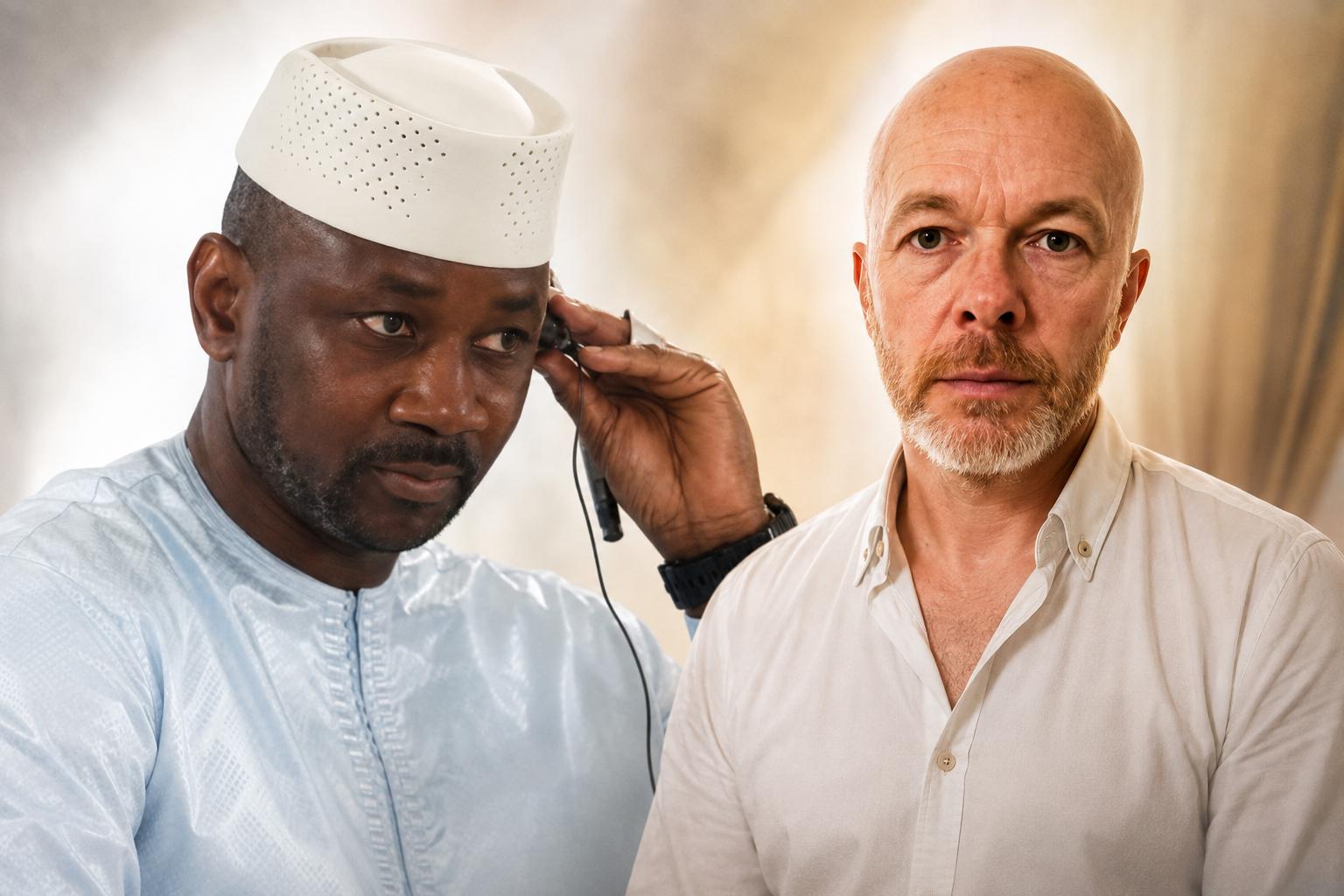
In a carefully orchestrated political performance, Malian authorities have transformed the fate of Yann Vézilier, a French intelligence officer detained in Bamako, into a high-stakes diplomatic maneuver. After a year behind bars and a 20-year prison sentence handed down in June for alleged “attempted destabilization,” the general in charge of the transition has now granted him a presidential pardon. Yet this act of clemency is far more than a gesture of benevolence—it is the final act of a meticulously scripted legal drama.
Behind the official narrative: silent negotiations and financial settlements
While state media portrays this decision as a triumph of Malian sovereignty, the reality unfolding behind closed doors tells a different story. Rather than a display of judicial independence, the pardon emerges as the culmination of discreet arrangements designed to address pressing security concerns.
Despite official claims of military firmness, Malian forces have not engaged directly with armed groups such as the Cadre Stratégique Permanent (CSP-DPA / FLA) or the Group for the Support of Islam and Muslims (JNIM). Russian contractors from Africa Corps, often cited as key players in counterterrorism efforts, played no active role in recent confrontations and remained on the sidelines.
To secure the return of Malian soldiers captured in previous clashes, authorities reportedly entered into direct, confidential talks with commanders from both the FLA and JNIM. These exchanges were reportedly accompanied by substantial financial transfers—undermining the narrative of unyielding military resolve.
A trial crafted for domestic consumption
Yann Vézilier’s arrest in August 2025 was never a routine law enforcement operation. As a diplomat accredited to Mali, his presence was widely known within the country’s security apparatus. The abrupt revocation of his status and the framing of his actions as a “plot” were clearly intended to serve a higher purpose: to redirect national frustration toward an external scapegoat and reinforce internal cohesion.
The severity of his 20-year sentence was no accident. It served a dual function: publicly demonstrating an unyielding judiciary capable of confronting former colonial powers, while simultaneously creating a valuable diplomatic bargaining chip. The legal spectacle was never intended to be a fair trial—it was a propaganda exercise from start to finish.
The illusion of presidential mercy
The announcement of the pardon has been framed as an act of statesmanship, but in truth, it fits a well-worn pattern. Releases of detained intelligence operatives are rarely acts of magnanimity—they are the result of behind-the-scenes deals, indirect concessions, and security arrangements negotiated far from the public eye.
By granting clemency, the Malian regime gains a symbolic victory: it reasserts the president’s ultimate authority, preserves the political capital gained from the original trial, and maintains control over the narrative. The case of Yann Vézilier will not be remembered as a triumph of judicial leniency, but as a stark illustration of how justice can be weaponized—from indictment to pardon—as a tool of state communication and control.