From border expulsions to a diplomatic impasse: how a sudden policy shift exposed regional fragility
The promise of West African solidarity and shared sovereignty has once again collided with harsh reality. The abrupt deportation of hundreds of Malian gold miners by Guinea has laid bare the chronic unpreparedness of transitional governments when confronted with cross-border economic migration. Behind the polished official statements claiming everything is “under control” lies a scene of frantic improvisation—more street theater than statecraft.
Bamako’s wake-up call: citizens discovered through the media
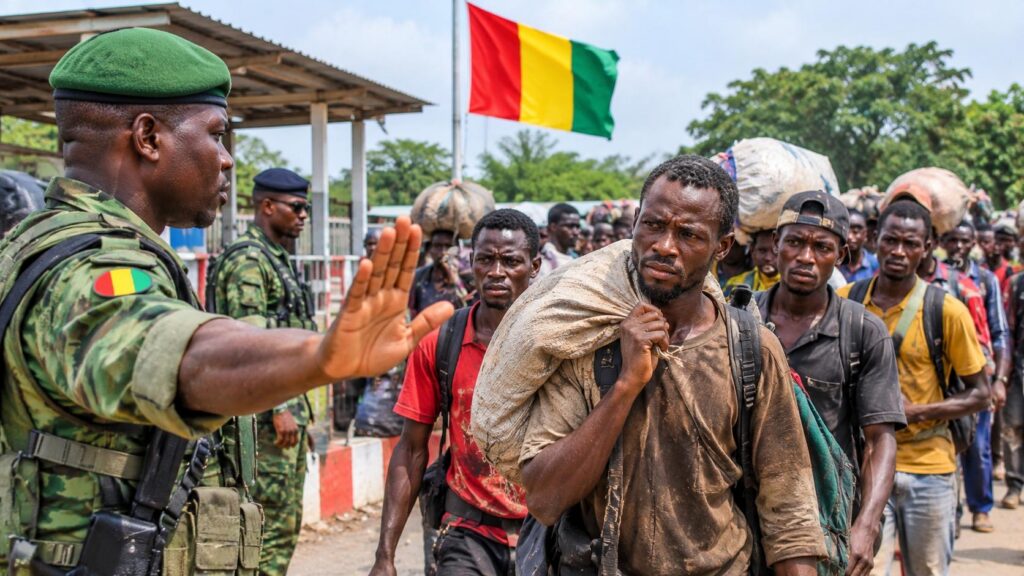
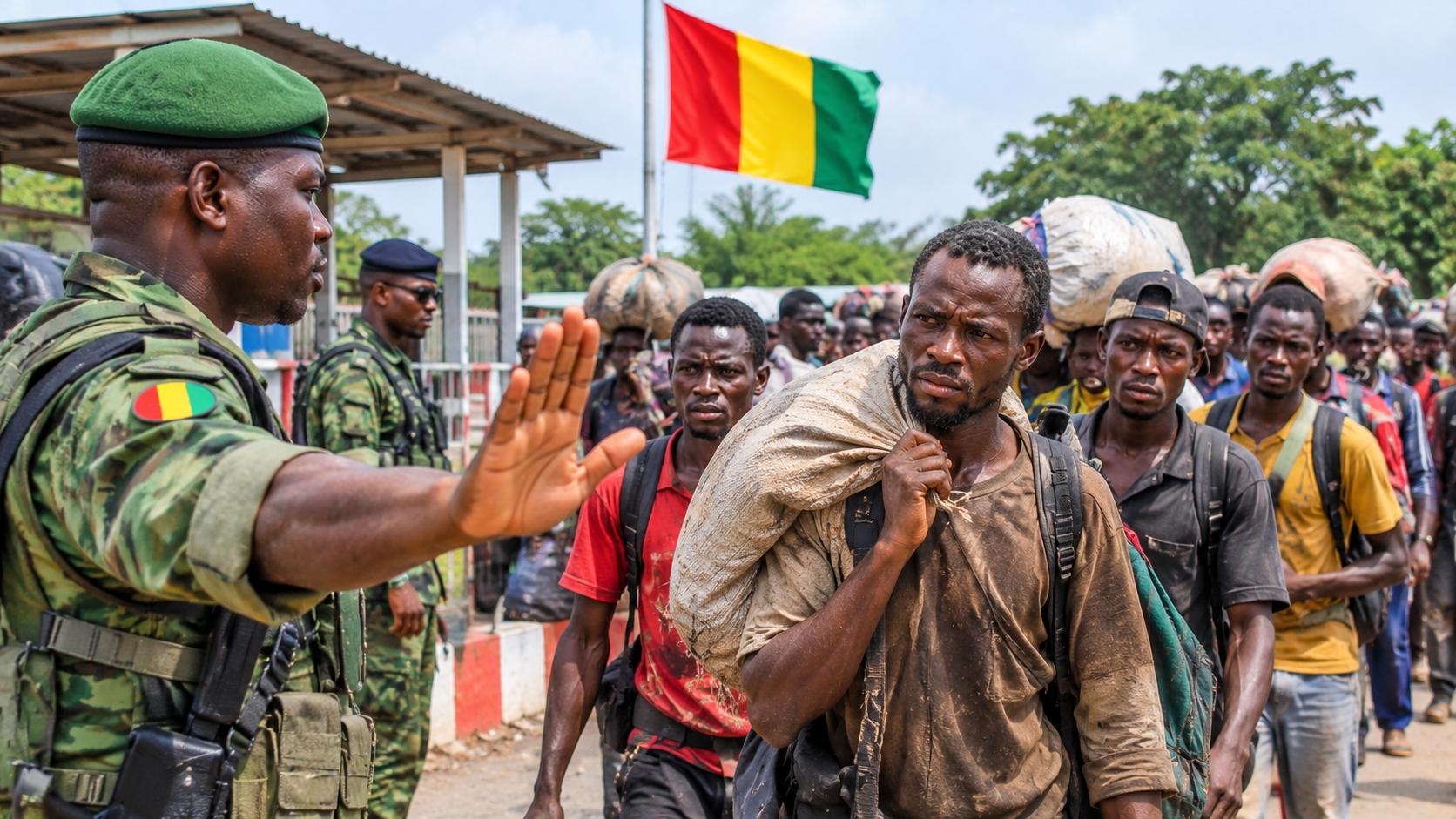
For a government that treats territorial control as sacred doctrine, the shock was total. Hundreds of informal workers, many of whom had crossed into Guinea in search of viable income after finding no opportunities at home, were expelled without warning or diplomatic coordination. In a stunning display of policy failure, Malian authorities learned of their citizens’ plight simultaneously with the general public—through the media.
This episode has dealt a serious blow to the rhetoric of sovereign brotherhood between Bamako and Conakry. It reveals that when it comes to managing gold dust and exploitation accounts, regional solidarity evaporates faster than morning dew.
From press releases to makeshift solutions: the reality of crisis management
Once the initial shock subsided, the machinery of government communication kicked into high gear—promising rapid “assistance” while scrambling to respond on the ground. But what does this assistance look like when orchestrated in haste?
- Emergency logistics on the fly: With no permanent reception facilities, orientation centers, or reliable identification systems in place, officials resorted to stopgap measures. Trucks were dispatched at the last minute, temporary tents erected at border crossings, and symbolic survival kits distributed—all designed to create photo opportunities for evening news broadcasts.
- The void of reintegration: Handing out rice and basic medical supplies to exhausted men who have lost everything is one thing; providing them with sustainable economic alternatives is entirely another. The state repatriates citizens it cannot reintegrate, pushing them back into rural precarity or lawless zones where survival is a daily gamble.
Sovereignty without substance: the hollow promise of social protection
This cross-border fiasco exposes the fundamental hypocrisy of transitional social policies. Leaders denounce foreign interference in summits, sign mutual defense charters with revolutionary slogans, yet remain incapable of anticipating or administratively managing the return of their own citizens expelled by a neighboring state.
The much-vaunted “assistance plan” touted by authorities is nothing more than a bandage on a gaping wound—or worse, a futile attempt to douse a wildfire with a leaky hose. By treating the distress of clandestine miners as mere fodder for crisis communication, today’s technocrats have demonstrated that while they may excel at institutional patchwork, they have yet to master the art of nourishing or protecting their people.
What comes next? The long shadow of a preventable crisis
As the dust settles, one question looms large: will this episode serve as a wake-up call for regional cooperation, or will it be swept under the rug of political convenience? The deportation crisis has not only displaced hundreds of workers but has also eroded trust between two nations that once claimed to stand united against external pressures. With no clear path to reintegration and no mechanisms for future coordination, the humanitarian fallout may linger long after the headlines fade.
One thing is certain: the improvisation on display in recent weeks has done more than expose policy gaps—it has revealed the human cost of governance that prioritizes rhetoric over action.