From fraternal sovereignty to abrupt expulsion
When the rhetoric of sovereign brotherhood and regional integration collides with harsh realities, what emerges is not unity but a scramble for survival. The sudden expulsion of hundreds of Malian gold miners by neighboring Guinea has laid bare the chronic unpreparedness of both governments to manage transborder labor flows and economic desperation. Behind polished official statements claiming everything is “under control” lies a story of improvisation that resembles a street theater performance more than a state-led response.
The brutal awakening: when the state discovers its own citizens
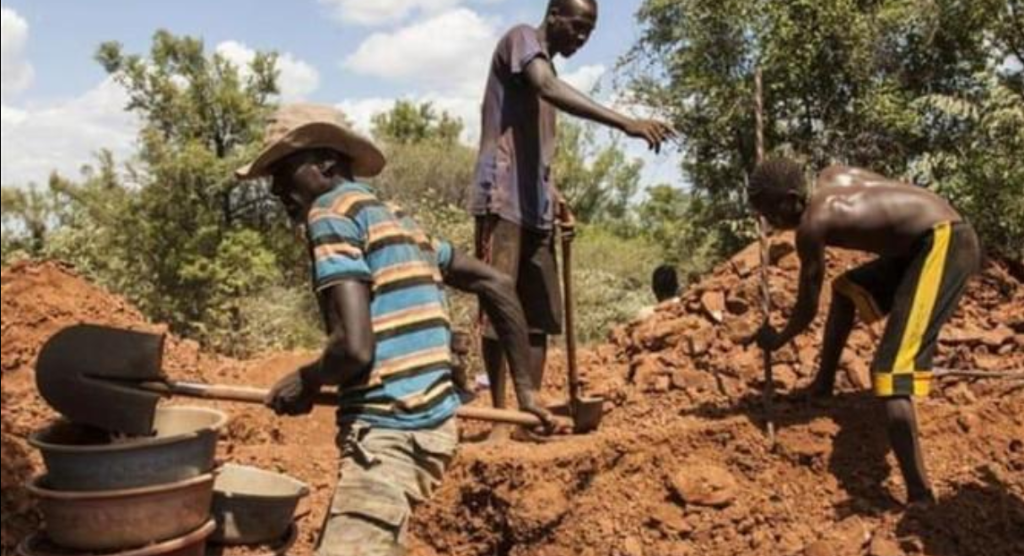
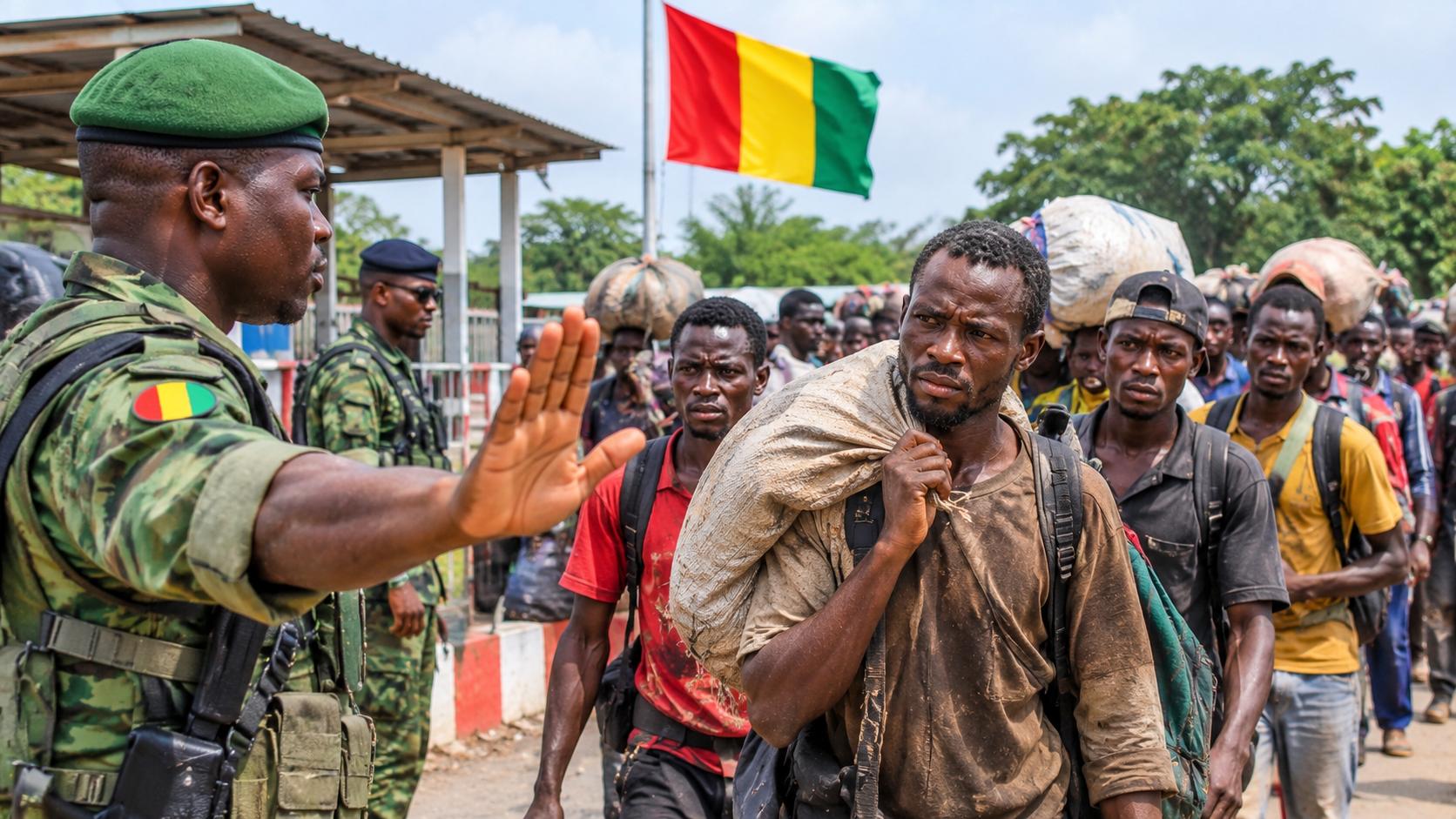
The opening act of this tragicomedy unfolded not in a boardroom but on the front pages. Malian authorities woke up to a startling reality: hundreds of informal workers, lured across the border by the promise of gold wealth they could not find at home, had been expelled without warning or diplomatic coordination by Conakry.
For a transitional regime that touts territorial sovereignty as a national dogma, the revelation was as embarrassing as it was sudden. The state discovered, in real time and alongside the public, that vast segments of its population were scattered along border roads, forcibly displaced by a “brother” state that chose to clean house unilaterally. The much-vaunted solidarity among sovereignist capitals has cracked under the weight of gold dust and economic ledgers.
From triumphant communiqués to makeshift solutions on the ground
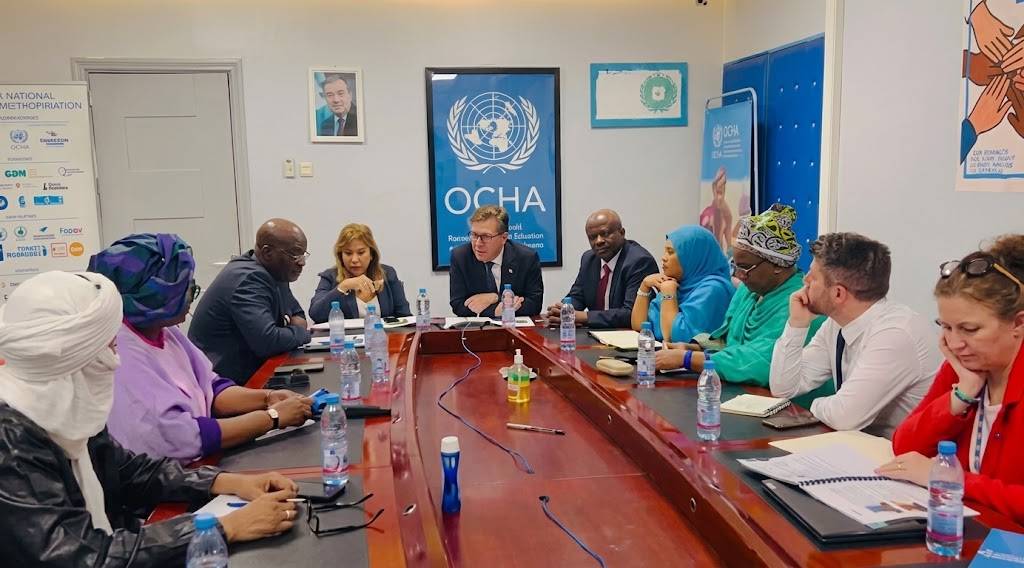
Once the shock subsided, the grand machinery of government communication swung into action: reassure, take a stand, announce immediate “support measures.” But what does “support” look like when it’s improvised overnight?
A patchwork logistics of arrival
- Emergency transit hubs: With no permanent reception centers, no clear registration system, and no mapping of these informal workers, state services resorted to stopgap measures. Trucks were dispatched haphazardly, temporary tents pitched at crossing points, and symbolic survival kits handed out—all staged for prime-time news.
- No pathway to reintegration: Handing out rice and medicine to exhausted men who have lost everything is one thing; offering them viable economic alternatives is another. The state repatriates citizens it cannot reintegrate, returning them directly to rural precarity or lawless zones where vulnerability thrives.
The contrast between the grandeur of official announcements and the chaos of implementation could not be more stark. Beneath the rhetoric of control and protection lies a system struggling to keep pace with its own citizens.
The hollow promise of social sovereignty
This cross-border failure exposes a fundamental hypocrisy in the social policies of transitional governments. They parade at summits condemning foreign interference and sign mutual defense charters with revolutionary slogans, yet they fail to anticipate or administratively manage the return of their own citizens expelled by a neighbor.
The much-heralded “support plan” is no more than a bandage on a gaping wound—a bucket of water tossed onto a raging wildfire through a leaking hose. By reducing the plight of clandestine gold miners to a mere crisis communication variable, officials confirm that while they may excel at institutional tinkering, they are woefully short on sustainable nourishment and protection for their people.
What comes next? The lost future of informal workers
For the hundreds of miners expelled and deposited at border crossings, the future remains bleak. With no formal job prospects, no land rights, and no infrastructure to support them, their return marks not an end to suffering but a continuation—now on home soil, but still in the shadow of neglect.
The incident serves as a stark reminder: sovereignty is not built on slogans or summits, but on the capacity to care for one’s people—even and especially when they are at their most vulnerable and farthest from the corridors of power.