
Russia has quietly established a direct air bridge to the Sahel, leveraging commercial aviation to transport troops and military equipment to nations aligned with Moscow. At the heart of this operation is the Africa Corps airline, a shadowy entity that coordinates closely with private Russian carriers like Zitotrans, specializing in heavy cargo flights.
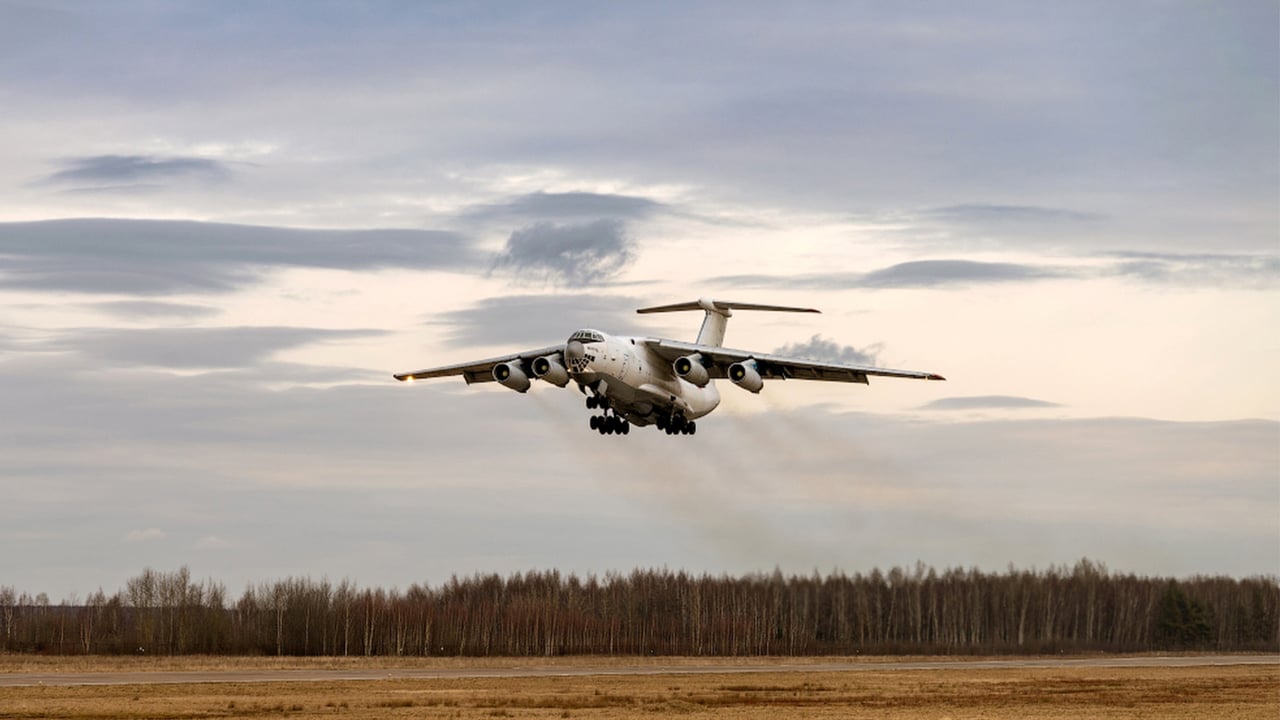
Military analysts tracking these movements confirm that the Africa Corps fleet operates flights with striking regularity between Russian airfields and Sahelian capitals. The aircraft, primarily IL-76 models, depart from bases in southern Russia, often stopping in North African hubs before reaching destinations such as Bamako, Niamey, or Ouagadougou.
Inside the logistical backbone of Russia’s Sahel strategy
The Africa Corps airline functions as a critical enabler of Moscow’s expanding influence across West Africa. These flights are not merely symbolic gestures; they represent a calculated effort to bolster security partnerships with governments that have distanced themselves from former Western allies. The cargo manifests, though classified, are believed to include armored vehicles, communications equipment, and possibly Russian military advisors.
Observers note that the timing of these operations aligns with the growing presence of the Africa Corps in the region, which many interpret as a strategic counter to Western military engagements. The alliance formed by Mali, Burkina Faso, and Niger has openly embraced Russian support, creating a vacuum that Moscow has been swift to fill.
A fleet built on commercial camouflage
The Africa Corps airline operates under the guise of a civilian cargo service, yet its operations bear all the hallmarks of state-backed logistics. The IL-76 aircraft, known for their heavy-lift capabilities, are the workhorses of this network. These planes, typically used for humanitarian aid or commercial freight, now serve a dual purpose—delivering both visible and invisible cargo to Sahelian allies.
Flight records indicate that these aircraft often take off under the cover of night, minimizing visibility to international observers. The destinations are carefully chosen: airports in Bamako, Niamey, and Ouagadougou have become frequent stops, with some flights continuing onward to remote airstrips used by allied militias.
The geopolitical stakes behind the airlift
The deployment of the Africa Corps airline is more than a logistical maneuver; it is a geopolitical statement. By providing direct, unfiltered access to Sahelian governments, Russia is positioning itself as the preferred partner for nations seeking alternatives to traditional Western security frameworks. The absence of transparency in these operations only fuels speculation about the true nature of the cargo and the long-term objectives of Moscow’s involvement.
Diplomatic sources in West Africa suggest that the Africa Corps airline may soon expand its routes, potentially including stops in Chad or Mauritania, further consolidating Russia’s footprint in the Sahel. The implications for regional stability are profound, as this airlift capability allows Moscow to project power without the formal trappings of a military base.
As governments in the Sahel navigate their shifting alliances, the role of the Africa Corps airline underscores a new chapter in African geopolitics—one where commercial aviation doubles as a tool of influence.