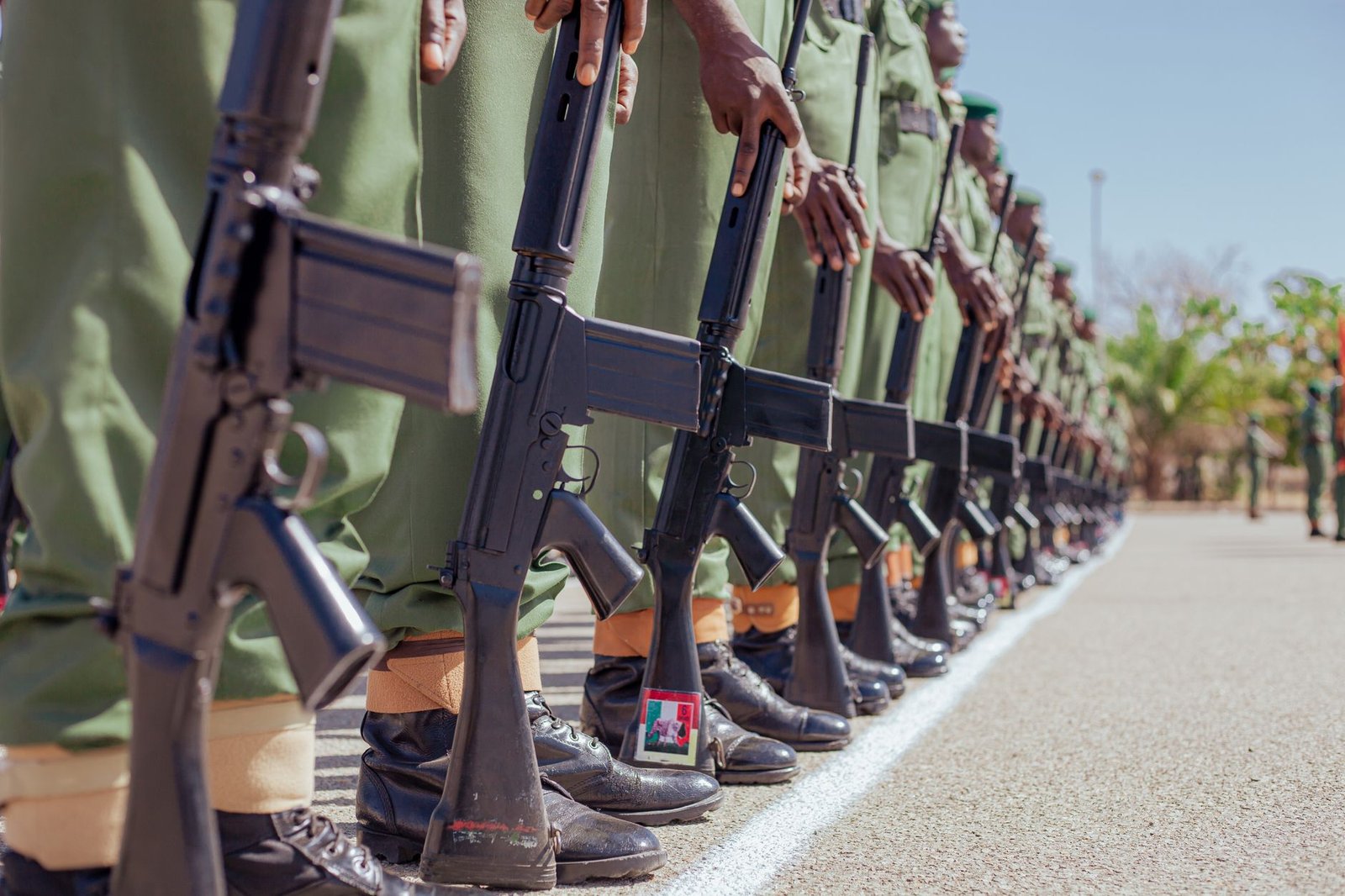
The Group for the Support of Islam and Muslims (JNIM), a prominent jihadist coalition with ties to Al-Qaeda operating across the Sahel, mounted an assault on a Malian Armed Forces (FAMa) military outpost in central Mali on Sunday, August 9. This incident marks another in a persistent string of attacks claimed by the militant network against regular army positions, underscoring the formidable hurdles faced by the transitional government in establishing security across the nation’s vast rural territories.
Another offensive targets FAMa positions
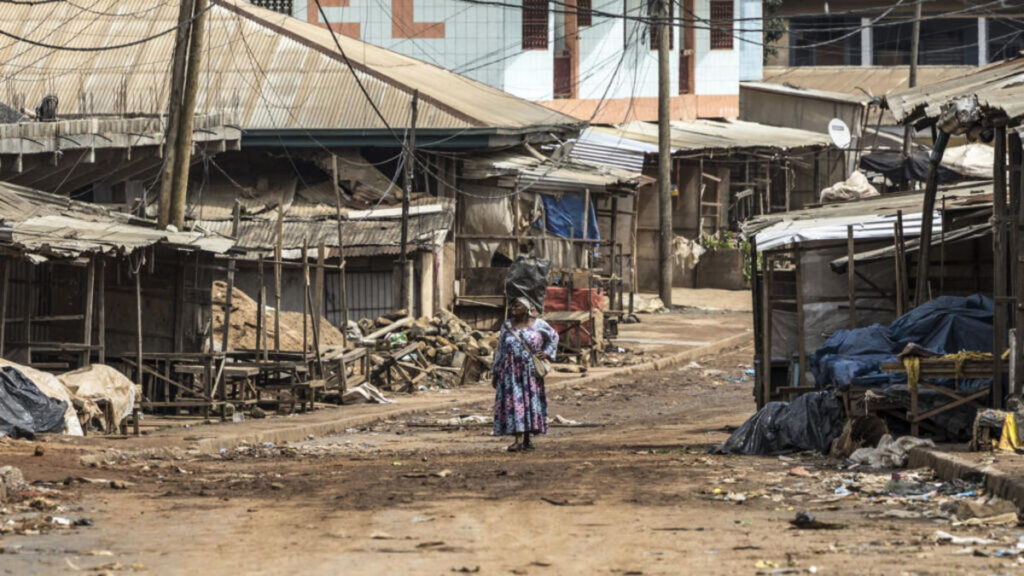
The recent aggression targeted a garrison situated within a region that has emerged as a primary hub for JNIM operations. Central Mali, particularly the vicinities of Mopti and Ségou, has for several years been the epicenter of the most lethal confrontations between government forces and jihadist fighters. The coalition, led by Iyad Ag Ghali, has firmly established itself here, skillfully exploiting existing intercommunal tensions and the erosion of public services in rural areas to bolster its presence.
The operational methodology employed mirrors a well-honed tactic: a synchronized assault on a military camp, an attempt to seize weaponry and vehicles, followed by a swift withdrawal before aerial reinforcements can arrive. This asymmetric warfare approach, executed by highly mobile units on motorcycles, has become the distinctive hallmark of JNIM across the central Sahel. Official Malian channels maintain tight control over information regarding military setbacks, meaning independent verification of human losses remains unavailable.
Jihadist pressure reshapes the security landscape
Following the departure of the United Nations Multidimensional Integrated Stabilization Mission in Mali (MINUSMA) in late 2023, and subsequently the French Barkhane forces, the security dynamic across the nation has undergone a profound transformation. Bamako now relies predominantly on its indigenous capabilities, bolstered by the support of the Russian Africa Corps, an entity that took over from the Wagner group after Evgeny Prigozhin’s demise. This strategic realignment, however, has not succeeded in stemming the tide of jihadist advances, as evidenced by the relentless assaults targeting military installations, a significant concern in West Africa news.
JNIM, under the leadership of Tuareg commander Iyad Ag Ghali since 2017, consolidates several factions originating from Ansar Dine, the Macina Liberation Front, and Al-Mourabitoune. Its demonstrated capability to strike concurrently in Mali, Burkina Faso, and Niger positions it as the foremost security threat to the three member states of the Alliance of Sahel States (AES). In practice, the organization aims to isolate regional capitals through extensive road blockades and by imposing its distinct form of governance within the territories it controls, a critical aspect of African politics.
A constant test for the Malian transition
For the transitional authorities, spearheaded by General Assimi Goïta, the recurring nature of these assaults poses a formidable political and military challenge. The legitimacy of the current administration largely hinges on its commitment to re-establish the nation’s security sovereignty. However, a succession of setbacks, particularly the one experienced in Tinzaouatène in July 2024 against a combined force of Permanent Strategic Framework rebels and JNIM combatants, intensifies scrutiny regarding the efficacy of the present security arrangements.
Regional partners are observing the unfolding situation with deep apprehension. The Confederation of Sahel States, formally established in July 2024 by Bamako, Ouagadougou, and Niamey, aimed to consolidate counter-terrorism efforts. Yet, operational coordination remains constrained, as each national army grapples with its own pressing security priorities. Furthermore, humanitarian access is deteriorating rapidly in jihadist-controlled zones, where non-governmental organizations struggle to sustain their critical activities.
The persistent pattern of assaults on military camps also prompts critical questions regarding the perimeter defense doctrine employed by the FAMa. The strategy of consolidating troops within a few fortified strongholds, intended to mitigate their vulnerability, inadvertently renders these locations prime targets for an adversary capable of focusing its resources on identifiable objectives. In the medium term, the crucial issue of territorial coverage and the reclamation of abandoned areas will increasingly confront the authorities in Bamako.