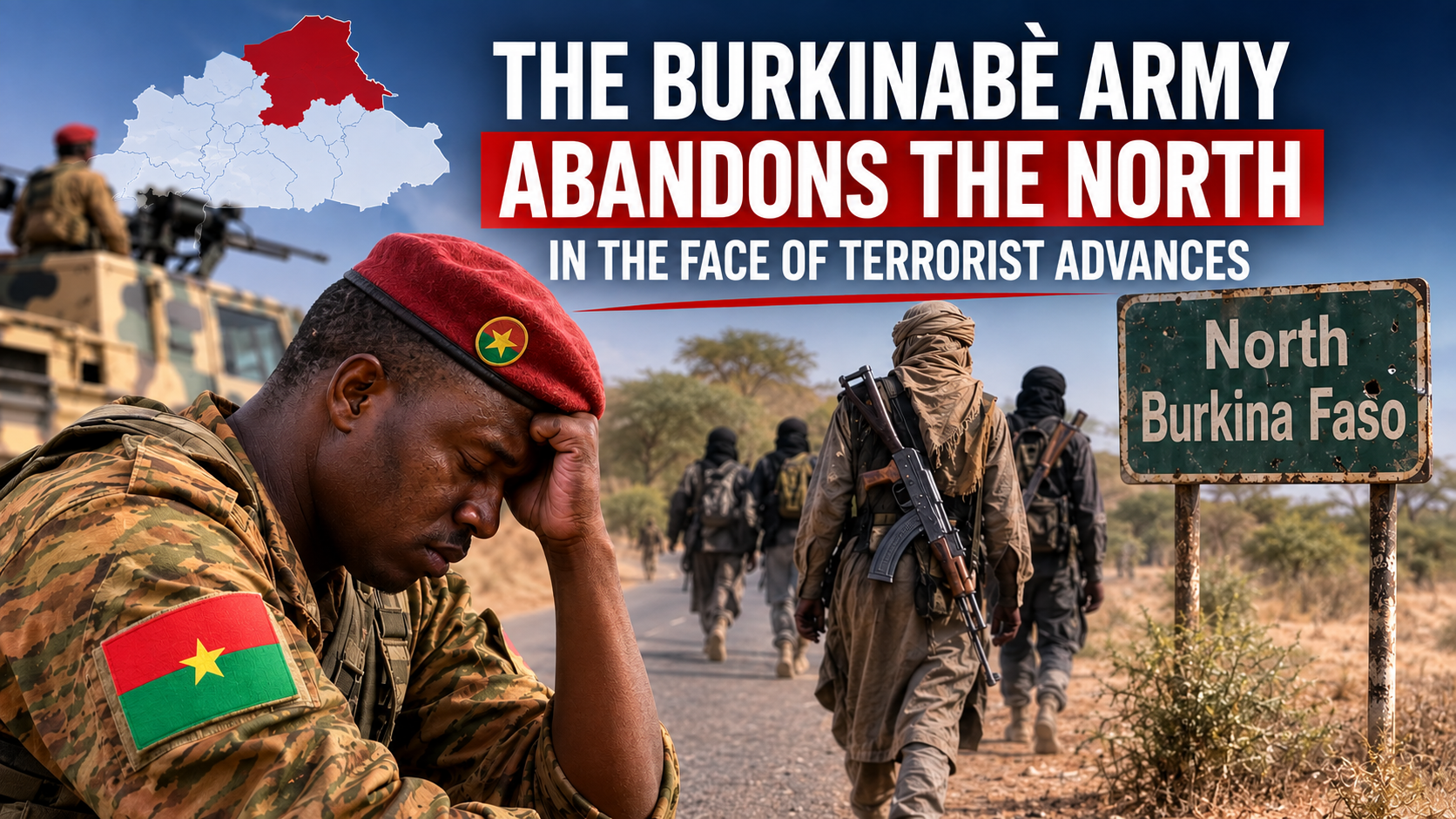
The Burkinabè military, despite deploying substantial resources and launching repeated offensive operations, continues to face an alarming security crisis in the northern regions. Rather than disappearing, armed groups are evolving their tactics, avoiding direct confrontations and instead waging a protracted campaign based on mobility, harassment, and pressure on civilian populations.
This shift complicates efforts to gauge the conflict’s true scope. While military operations may temporarily reclaim territory or neutralize fighters, they rarely ensure lasting control over the area.
An adversary that adapts rather than faces defeat
The resilience of armed groups lies in their refusal to hold fixed positions. Instead, they rely on small, agile units that vanish into rural areas after an attack, only to re-emerge where security gaps appear. This fluid strategy turns the conflict into a shifting struggle rather than a conventional battle for land.
A successful military operation—such as seizing a camp or retaking a town—does not signal the end of the threat. The enemy’s ability to disperse and regroup elsewhere keeps the danger alive, making temporary gains deceptive.
Roads remain the weakest link in the security chain
The safety of northern Burkina Faso’s transportation routes is a critical barometer of the crisis. These arteries, essential for trade, aid deliveries, and troop movements, are frequent targets of ambushes, improvised explosive devices, and armed assaults.
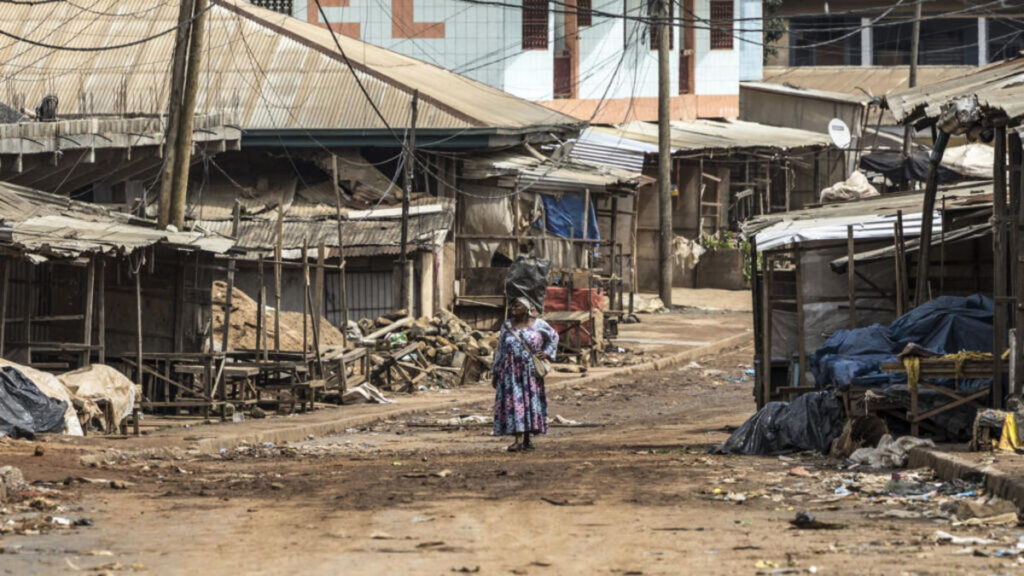
The ripple effects of this instability extend far beyond the battlefield. When roads become unsafe, markets stall, food prices surge, and entire communities find themselves cut off from urban centers. A city’s security cannot be measured solely by the presence of soldiers within its walls; its survival hinges on the roads leading to and from it.
Holding ground: the forgotten challenge of military success
The most pressing issue is not reclaiming territory but keeping it. Even after a military victory, if state institutions—administrative, judicial, and policing—fail to re-establish themselves, armed groups quickly exploit the void. Without sustained security and governance, former strongholds can slip back into insurgent control.
Rebuilding requires more than firepower: schools must reopen, health clinics resume operations, farmers return to their fields, and local authorities regain their footing. Without this follow-through, military gains risk being short-lived.
Civilian suffering deepens amid the stalemate
The human toll of the conflict is often overshadowed by tactical reports. Displaced families, stalled agriculture, shuttered public services, and disrupted trade push communities deeper into poverty—a cycle that fuels further vulnerability.
As economic and social conditions deteriorate, civilians become more susceptible to coercion by armed factions. The state’s inability to provide consistent security only widens the opening for insurgents to fill the void.
Why military victories alone cannot end the crisis
While official communications highlight operations and enemy losses, these metrics do not reflect the conflict’s true state. Genuine progress is measured by restored freedom of movement, reopened roads, functional public services, revived economies, and the state’s ability to assert authority in recovered zones.
Tactical wins may coexist with a strategic stalemate, leaving the underlying crisis unresolved.
The path forward: beyond force to sustainable stability
Burkina Faso’s challenge is transforming a purely military problem into a comprehensive recovery effort. While force remains necessary, it cannot be the sole solution. A lasting resolution demands a multi-pronged approach: intelligence gathering, securing supply routes, protecting civilians, restoring governance, and rebuilding local economies.
Equally critical is preventing security measures from deepening community divisions. Rumors and mistrust can erode public confidence, turning fragile trust into another battleground.
The danger of declaring victory prematurely
The gravest risk is mistaking military pressure for conflict resolution. Armed groups may lose ground temporarily, suffer heavy losses, or retreat, yet retain the ability to regroup, adapt, and exploit state weaknesses. Their knack for dispersion and tactical shifts allows them to weather setbacks and re-emerge elsewhere.
The true test is not how many battles are won, but whether the state can permanently secure reclaimed areas and restore normal life. Until stabilization efforts match military advances, declarations of triumph will only obscure a harsher reality: a conflict that mutates, spreads, and entrenches itself over time.
The ultimate goal is not to push insurgents back temporarily, but to make their return impossible by rebuilding security, governance, and livelihoods in one stroke.