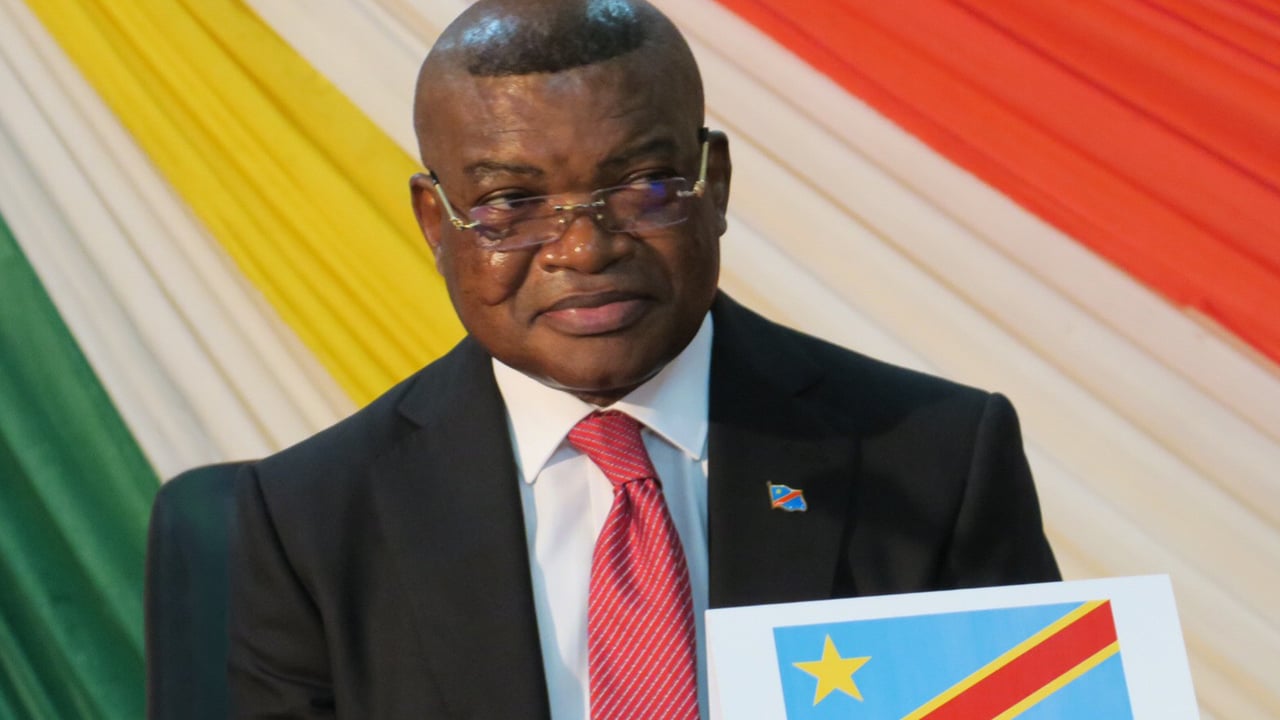
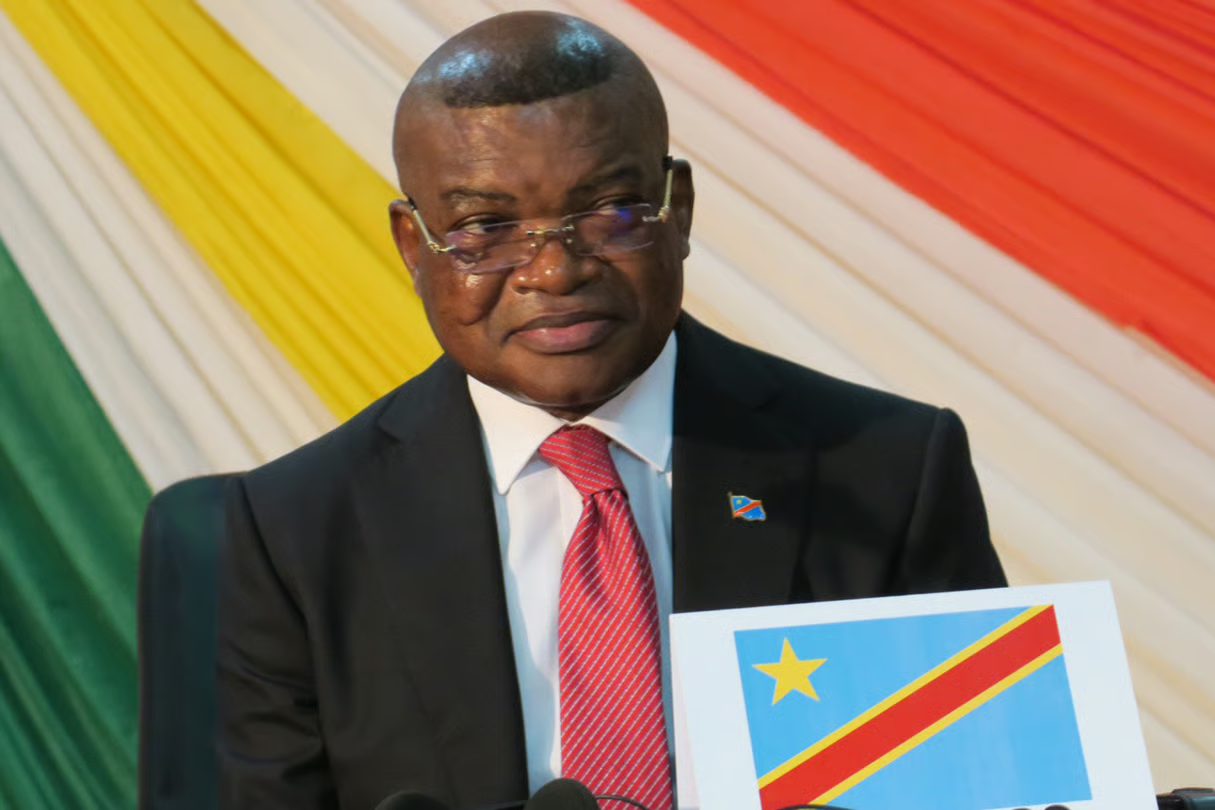
The death of Kalev Mutond, former head of the Democratic Republic of Congo’s intelligence agency, has sparked widespread reaction across the country. The announcement, made today, has ignited a public debate about his legacy and the future of the nation’s security apparatus. As tributes and criticisms pour in, questions loom about what comes next for the DRC’s intelligence community and the political landscape shaped by his tenure.
Who was Kalev Mutond?
Kalev Mutond served as the administrator general of the National Intelligence Agency (ANR) from 2015 to 2019, under the presidency of Joseph Kabila. His time in office was marked by controversy, as he was accused of using his position to suppress dissent and target political opponents. Mutond became a symbol of the Kabila regime’s heavy-handed tactics, and his name was often associated with human rights abuses.
After leaving his post, Mutond faced legal challenges, including sanctions from the European Union and the United States for his alleged role in undermining democracy and human rights in the DRC. Despite these accusations, he remained a influential figure in Congolese politics, with many speculating about his continued involvement behind the scenes.
Immediate reactions and public debate
News of Mutond’s death has elicited a mixed response. Some have expressed relief, viewing it as the end of a dark chapter in the country’s history. Others have called for a sober reflection on the broader issues of impunity and accountability within the security forces. Human rights organizations have reiterated their calls for justice for victims of abuses committed during his tenure.
On social media, hashtags related to Mutond’s death trended as citizens shared their views. While some celebrated, others warned against celebrating a death and instead urged a focus on systemic reforms. The debate has also touched on the role of the ANR and whether it has truly reformed since Mutond’s departure.
What next for the DRC’s intelligence services?
Mutond’s death raises questions about the current state of the ANR and its leadership. Under President Félix Tshisekedi, the agency has undergone some changes, but critics argue that deep-seated issues remain. The event may prompt renewed scrutiny of the intelligence services and their accountability to the public.
Analysts suggest that Mutond’s passing could also have political ramifications, particularly within the camp of Joseph Kabila. As a loyalist, Mutond’s influence may have been waning, but his death could still shift dynamics within the opposition. It remains to be seen how these developments will unfold.
Looking ahead: accountability and reform
The death of Kalev Mutond is a reminder of the need for comprehensive security sector reform in the DRC. Civil society groups are calling for greater transparency and oversight of the intelligence agencies. The government has yet to issue a formal statement on Mutond’s death, but pressure is mounting for a clear commitment to addressing past abuses and ensuring that such practices are not repeated.
As the nation reflects on Mutond’s legacy, the focus must remain on building a future where intelligence services serve the people and uphold the rule of law. The coming weeks will be crucial in determining whether his death becomes a catalyst for change or simply another footnote in the DRC’s turbulent history.