Mali: surge in violence displaces nearly 40 000 people from north and center
Violent clashes and airstrikes have forced tens of thousands of Malians to abandon their homes since late April. Gao and Ménaka are now sheltering a significant share of the displaced.
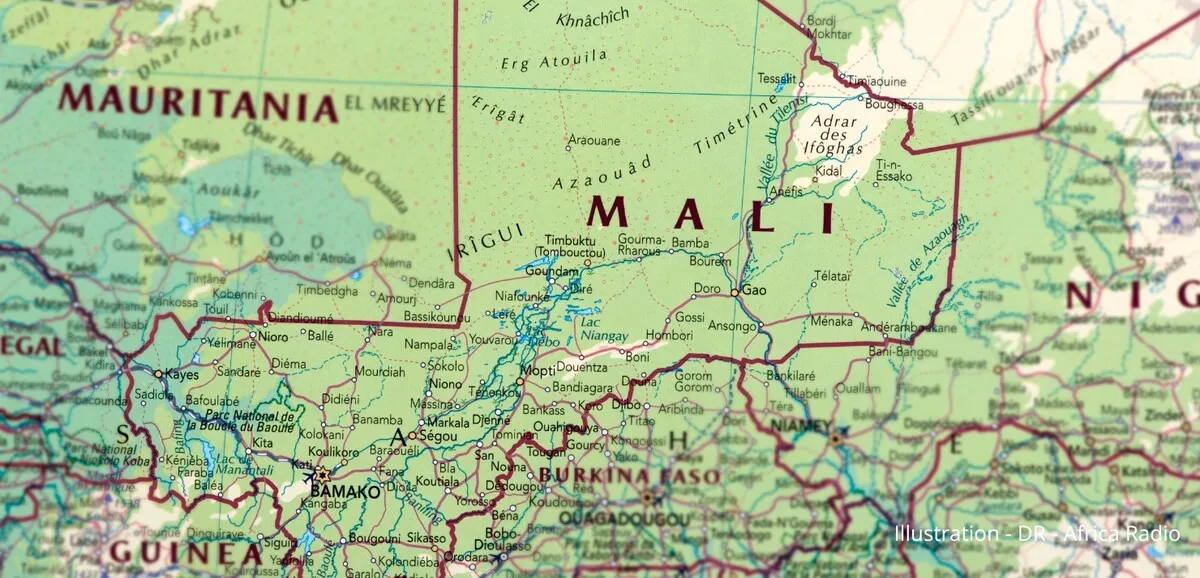
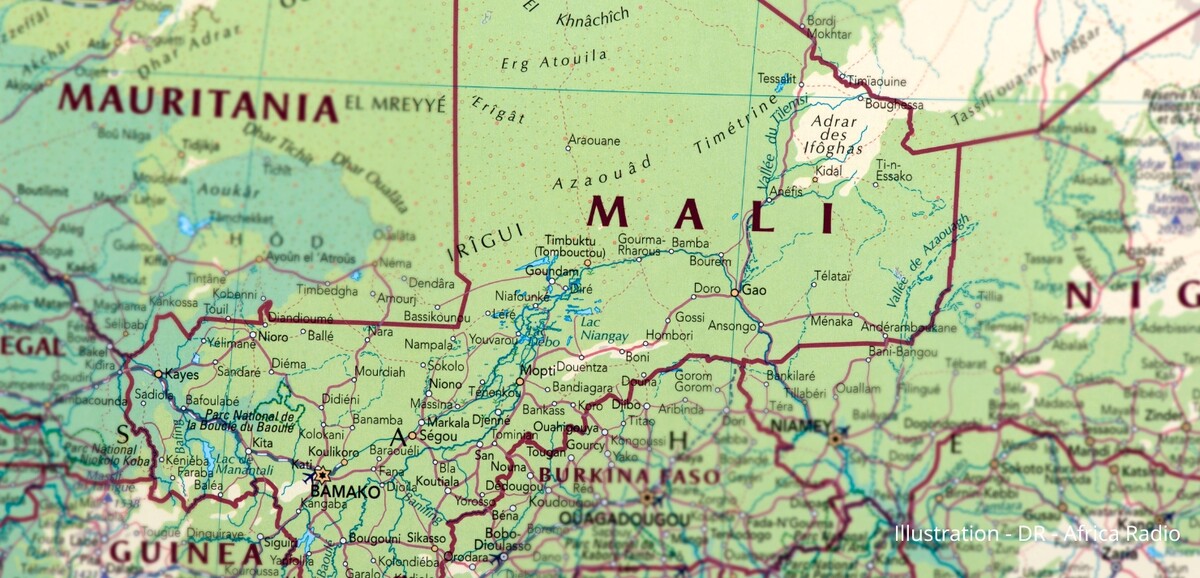
Northern and central Mali are experiencing a fresh wave of conflict, leaving nearly 40 000 civilians displaced since late April. Humanitarian and security sources report that over 15 000 families have sought refuge in Gao and Ménaka, two key northern cities. Local officials in Gao alone have registered more than 7 000 new arrivals in just three months—a scale of displacement not seen in years.
The crisis stems from a coalition of jihadist and separatist factions launching a major offensive. The militant alliance, comprising the Group for the Support of Islam and Muslims (JNIM) and the Azawad Liberation Front (FLA), has seized control of strategic areas, including the city of Kidal. Fighting has since escalated around Anéfis and other northern strongholds, forcing repeated evacuations and cutting off access to essential services for local communities.
Air strikes intensify displacement
In recent weeks, Malian forces have conducted intensified airstrikes near Tinzawatene, a region bordering Kidal. While security sources claim these strikes have damaged health facilities and triggered further displacement, independent verification remains challenging. What is clear, however, is that the number of people fleeing combat zones continues to rise, placing additional strain on already overstretched urban centers.
Gao and Ménaka struggle under the influx
The arrival of thousands of displaced individuals has overwhelmed local authorities and humanitarian groups. Most families originate from Kidal, where the security situation has deteriorated sharply since April. They require emergency shelter, food, clean water, medical care, and child protection services. This emergency unfolds as Mali already faces an internal displacement crisis involving over 400 000 people—a figure aid organizations consider a conservative estimate. The latest wave of displacement threatens to deepen an already precarious humanitarian situation in the north and center of the country.
Years of insecurity fueling displacement
Mali has grappled with deep-rooted insecurity since 2012, driven by jihadist groups tied to Al-Qaeda and the Islamic State, alongside armed communal and separatist factions. Despite the transitional authorities prioritizing territorial recovery and security restoration after the 2020 and 2021 military coups, recent escalations highlight the strategy’s shortcomings. Northern communities, already displaced multiple times in recent years, now face yet another wave of flight. For Gao and Ménaka, the challenge lies in accommodating these families without adequate resources. For those trapped in conflict zones, the pressing question remains: how long can they remain in their homes?