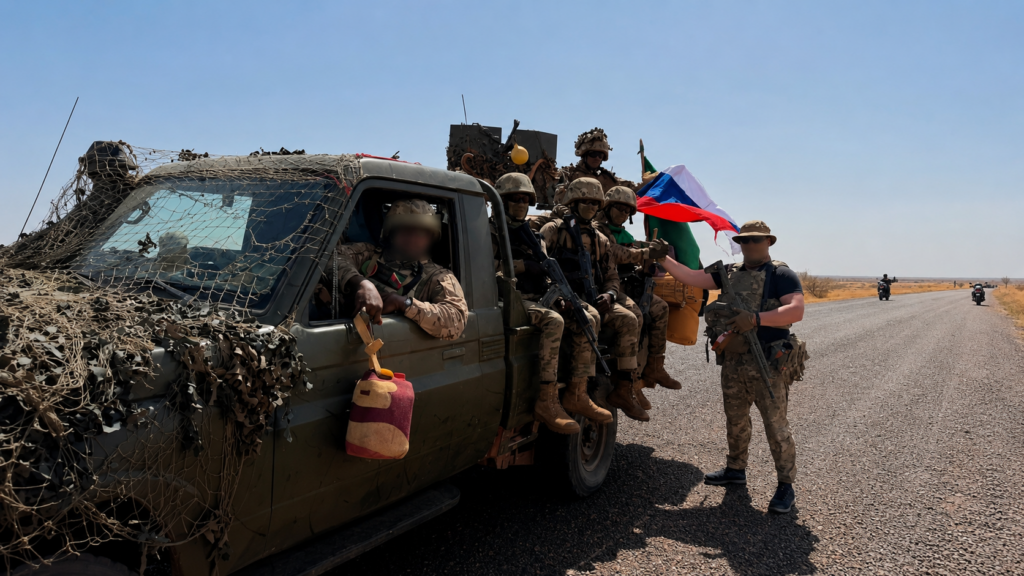
Mali : Assimi Goïta face à l’échec de la fuite en avant militaire
Même catégorie
Mali’s critical juncture: Assimi Goïta’s regime faces mounting insecurity
A nation on the brink: Goïta’s promises unfulfilled
Mali finds itself at a truly critical juncture in its recent history. General Assimi Goïta, who seized power through two coups in 2020 and 2021, initially pledged to restore national security and sovereignty. Yet, six years into his rule, his regime appears more vulnerable than ever, a development closely watched across pan-African news and broader African politics.
Offensives expose the regime’s deep vulnerabilities
The limitations of populist rhetoric and misplaced pride have become starkly evident in Mali. The harsh realities on the ground have caught up with a regime seemingly blinded by its own certainties. On April 25, a series of coordinated assaults by the Group for the Support of Islam and Muslims (JNIM), an Al-Qaeda affiliate, and the Azawad Liberation Front (FLA) targeted several military installations, some perilously close to the capital, Bamako. Tragically, Defense Minister Sadio Camara lost his life in these attacks. Furthermore, key strategic locations in the north, including Kidal, have fallen out of the Malian army’s control.
These recent offensives have undeniably laid bare the profound weaknesses of a government that had staked its legitimacy primarily on the promise of territorial reconquest. This is a significant story for Africa news English readers, highlighting the fragile security landscape in West Africa today.
Sovereignty slogans mask deepening insecurity
The junta’s strategy of severing ties with France, orchestrating the departure of MINUSMA, and enlisting the Russian mercenaries of Africa Corps was presented as a pathway to a Mali finally in charge of its own destiny. However, the outcome has been far more grim: jihadist armed groups and Touareg rebels from the Azawad Liberation Front continue to expand their territorial influence, Bamako lives under constant tension, and civilian populations bear the brunt of the escalating violence. This trajectory has serious implications for the African economy today.
The fervent sovereignist discourse has increasingly served as a smokescreen for an authoritarian consolidation of power. Political parties have been silenced, journalists intimidated, and any form of dissent is now swiftly labeled as treason against the state.
A regime besieged from within and without
Mali is currently trapped in a tightening vise, reaching its military and political limits. Externally, jihadist forces continue to demonstrate an undiminished capacity for disruption. Internally, the erosion of power and simmering military rivalries only fuel further instability and uncertainty.
What began as a promise of national salvation has devolved into a dangerous impasse. General Goïta, who aspired to embody the restoration of the Malian state and its national pride, now risks being remembered as the leader who presided over its potential fragmentation. This narrative underscores critical developments in African politics.
Dernières actualités
Related posts
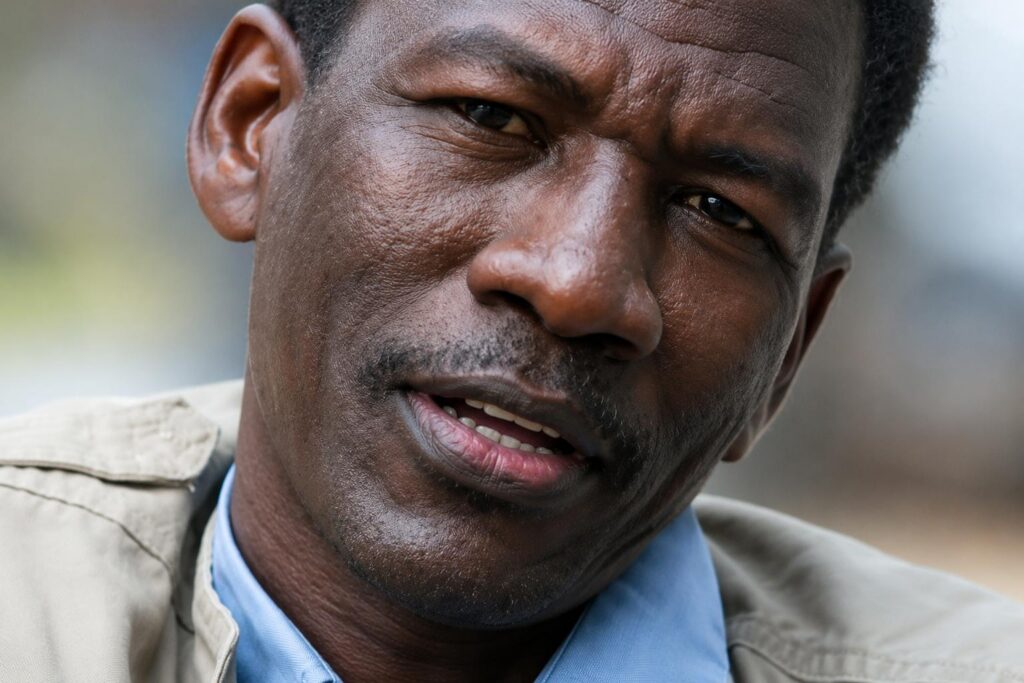
Moussa Kaka’s disappearance in Niger: one month on, outrage grows and questions mount
More than a month has passed since Moussa Kaka, a towering figure in Niger’s journalism and...
Mali’s mining standoff breaks: Barrick Gold’s Loulo-Gounkoto deal ignites corruption firestorm
The sudden cancellation of the strike notice at the Loulo-Gounkoto gold complex marks a decisive turning...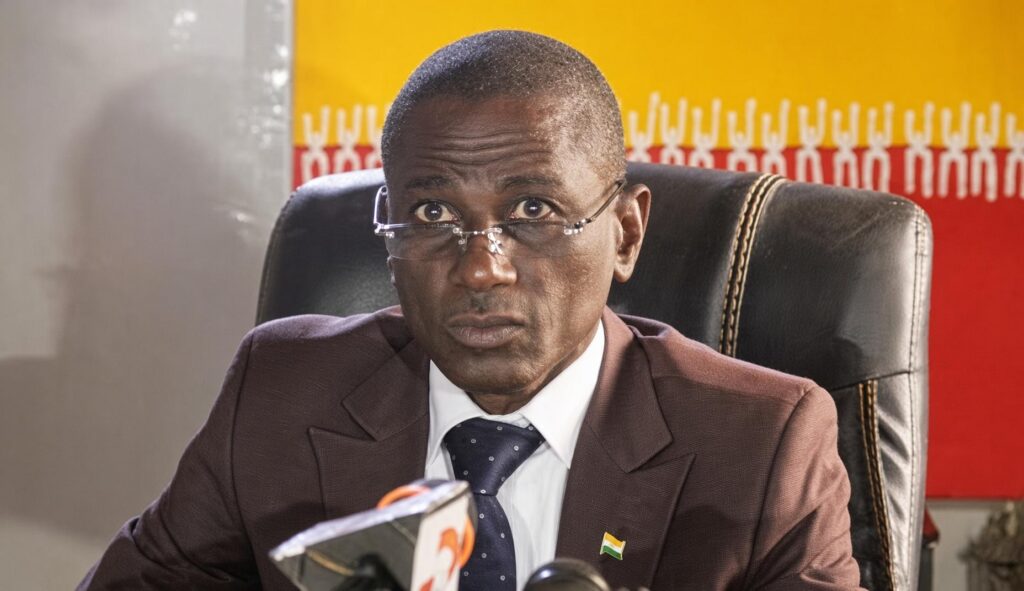
Niger’s breaking point: lawyer Lirwana’s jailing ignites a new era of resistance
One courtroom decision in Niamey has become the moment everything changed. With the imprisonment of Maître...