Morocco has recently witnessed a fresh surge in political tensions between two prominent Islamist movements, the Justice and Development Party (PJD) and the Justice and Spirituality Movement (Al Adl Wal Ihsane), igniting a heated debate over the relevance of electoral processes in the country’s political landscape.
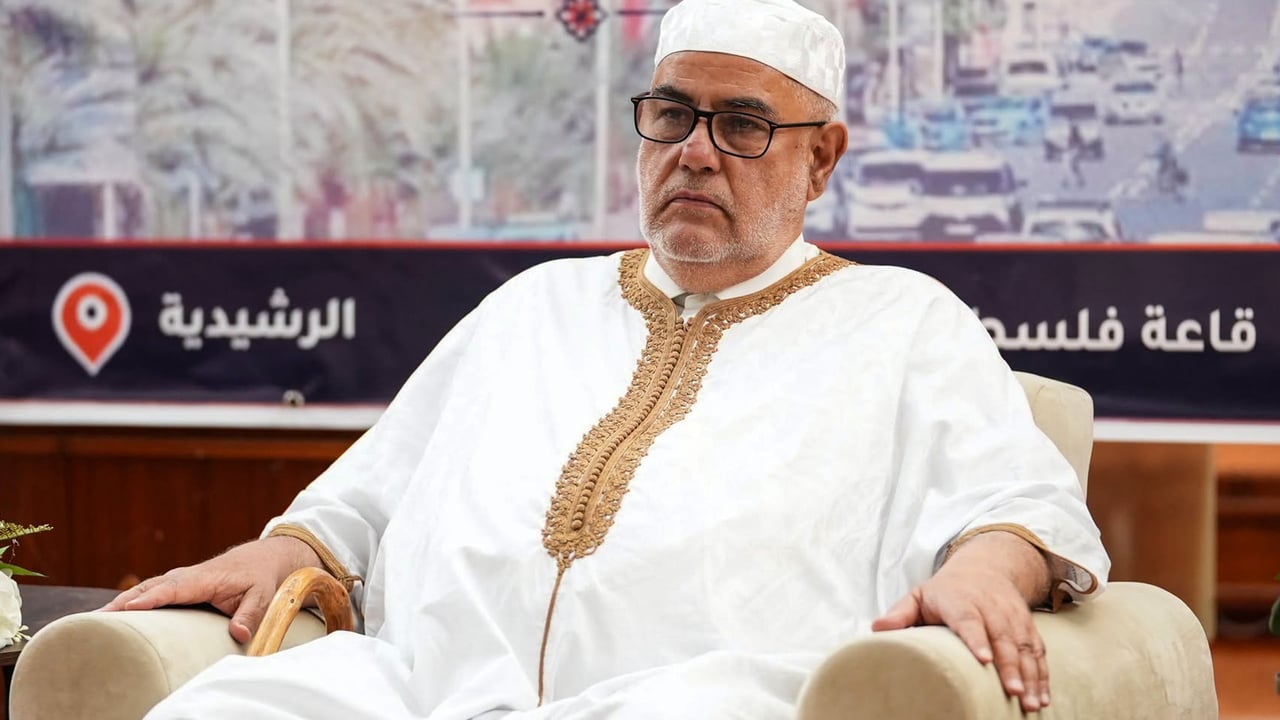
At the center of this dispute stands Abdelilah Benkirane, former head of government and current Secretary-General of the PJD, who has openly questioned the efficacy of elections in driving meaningful change. His remarks have drawn sharp criticism from Al Adl Wal Ihsane, a movement known for its opposition to electoral participation, further intensifying the ideological divide between the two groups.

a deepening rift in Morocco’s islamist sphere
The PJD, which has long been a dominant force in Moroccan politics, finds itself increasingly isolated as its leadership advocates for electoral engagement. Meanwhile, Al Adl Wal Ihsane, the largest Islamist movement in the country, continues to reject participation in elections, arguing that they serve as a tool for the state to legitimize its authority without delivering real reform.
Benkirane’s latest statements have amplified the divide. He contends that elections remain a necessary platform for political expression, even if their impact is limited. His position contrasts sharply with Al Adl Wal Ihsane’s stance, which views the electoral system as inherently flawed and incapable of fostering genuine societal transformation.
the role of elections in Morocco’s political future
As Morocco grapples with economic challenges and social unrest, the debate over elections takes on greater significance. Supporters of electoral participation argue that it provides a structured avenue for opposition voices to be heard, even if incremental. Critics, however, dismiss elections as a cosmetic exercise that fails to address systemic issues such as corruption and governance deficits.
The clash between the PJD and Al Adl Wal Ihsane reflects broader tensions within Morocco’s Islamist movement, with each faction offering a distinct vision for the country’s political future. While the PJD seeks to navigate the electoral process to push for change from within, Al Adl Wal Ihsane remains steadfast in its refusal to engage, emphasizing the need for alternative strategies to achieve its goals.
what lies ahead for Morocco’s islamist movements
The outcome of this ideological struggle could shape the trajectory of Morocco’s political landscape in the coming years. Will the PJD’s pragmatic approach gain traction, or will Al Adl Wal Ihsane’s rejectionist stance prevail? As the debate rages on, one thing is clear: the future of Moroccan politics may hinge on the ability of these movements to reconcile their differences—or deepen the divide that currently defines their relationship.