Morocco insists on Ceuta claims despite Spain’s migration crisis
Former Spanish envoy highlights Rabat’s persistent territorial stance
A retired Spanish ambassador to Morocco has warned that Spain’s recent migration emergency in Ceuta stems partly from unresolved territorial disputes, with Rabat refusing to abandon its historical claims to the North African enclaves.
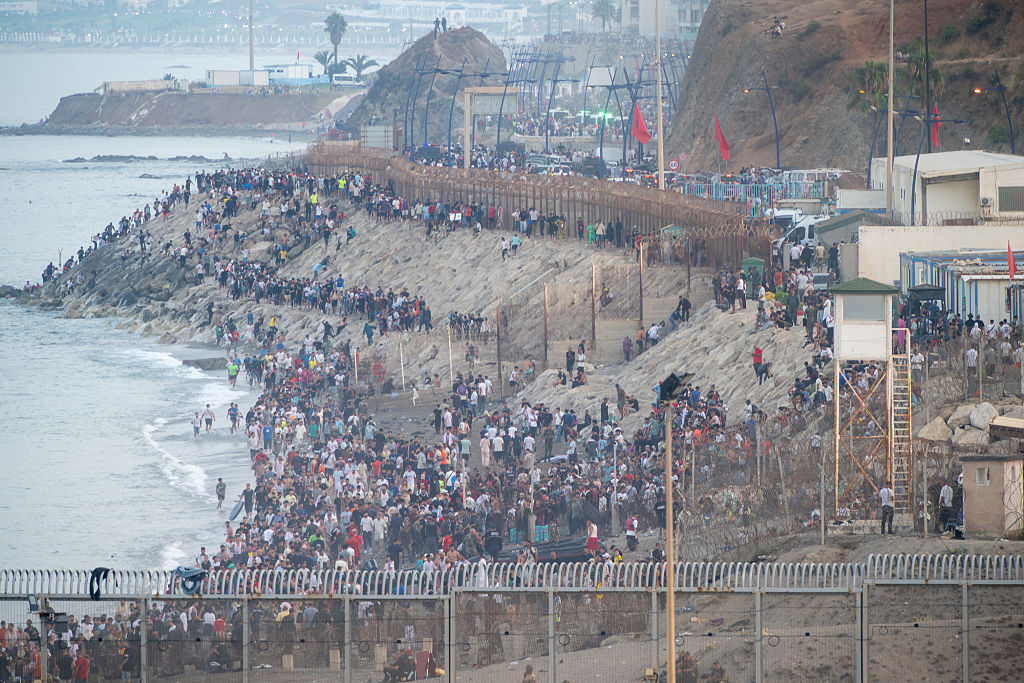
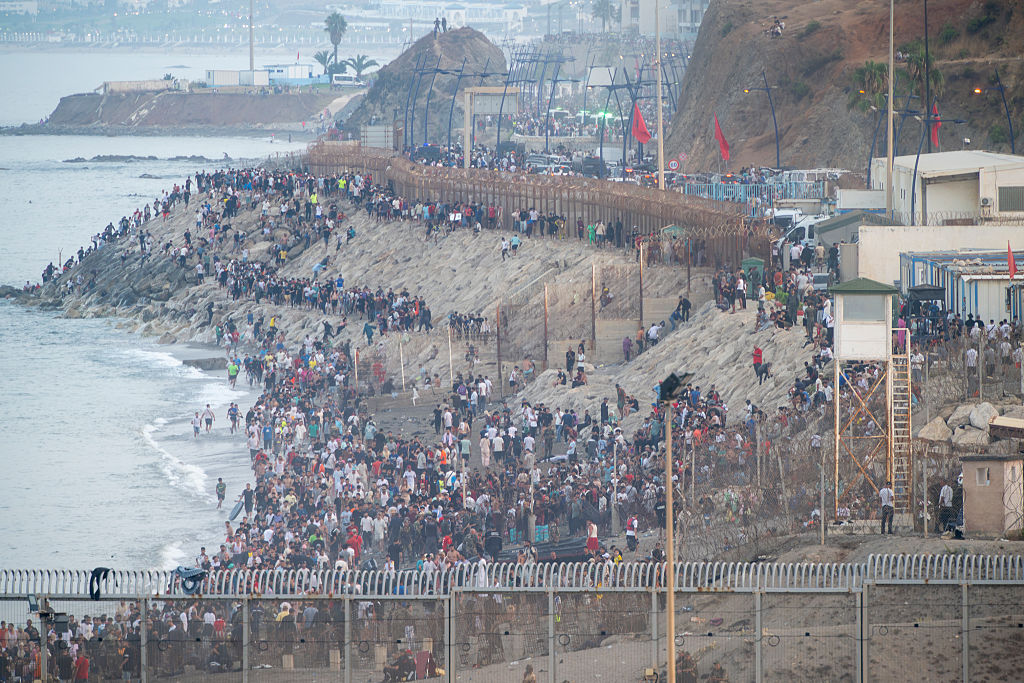
The sudden arrival of over 72,000 migrants in late July sent shockwaves through Spain and the European Union, resurfacing a long-standing conflict that has simmered for decades.
Jorge Dezcallar, former Spanish ambassador to Morocco and ex-head of Spain’s intelligence agency (CNI), emphasized that Morocco has never relinquished its demands over Ceuta and Melilla. He suggested the migration surge was not coincidental, but rather a calculated move amid perceived weakness in Madrid’s leadership.
“Rabat is testing the waters in a context where it senses political fragility in Spain,” Dezcallar stated. The remarks come as the left-wing government of Prime Minister Pedro Sánchez faces mounting corruption scandals involving top officials and close allies, while clashing with European partners over immigration policies and criticism of U.S. foreign affairs.
“Spanish-Moroccan relations are driven more by emotion than logic, swinging unpredictably between cooperation and confrontation,” Dezcallar noted. Despite tensions, both nations remain economically intertwined, with critical cooperation on migration control, counterterrorism, and regional security.
Persistent claims over Ceuta and Melilla
Moroccan officials and state-aligned media have intensified rhetoric asserting sovereignty over Ceuta and Melilla—territories under Spanish rule for centuries, long before modern Morocco existed. During a recent interview, Justice Minister Abdellatif Ouahbi stressed the issue remains urgent.
“We continue to uphold our position. This issue is always raised in every meeting with Spanish counterparts,” Ouahbi told local media. “Ceuta and Melilla are Moroccan territories. We will resolve this through dialogue and patience.”
Spanish Defense Minister Margarita Robles swiftly countered, reaffirming Ceuta and Melilla as “irrevocably Spanish” in a public statement from the enclave. Notably, King Felipe VI has never visited the cities, and a Spanish foreign minister only made the first official trip in decades this week—a move seen as an attempt to avoid provoking Rabat.
What triggered the latest crisis?
Madrid and Rabat attribute the migration surge to criminal networks exploiting a July ruling by Spain’s Supreme Court, which barred immediate deportation of migrants arriving by sea to Ceuta and Melilla. Dezcallar, however, suggested “at least some level of tolerance or negligence” from Moroccan authorities.
He cautioned that Spain lacks the capacity to prevent such influxes, warning that this is not the first time Ceuta has been overwhelmed. In 2021, Spain’s decision to hospitalize Sahrawi leader Brahim Ghali triggered a diplomatic rupture when Morocco responded by sending nearly 10,000 migrants into Ceuta—a move Spain’s defense chief called “blackmail.”
“One mistake can be forgiven, but not twice,” Dezcallar warned, recalling Ceuta authorities’ repeated alerts about irregular arrivals rising in the days prior. Intelligence sources recently cautioned of a potential new surge on August 15, as social media calls to storm the city multiplied. Police and Guardia Civil unions confirmed the threat.
Unlikely concessions on Ceuta
Dezcallar delivered a blunt message: “Anyone expecting Morocco to abandon its claims on Ceuta and Melilla is mistaken.”