Senegal’s constitutional council strikes down Pastef reform, weakening Sonko’s position

The Senegalese Constitutional Council has overturned the institutional reform bill championed by the ruling Pastef party, dealing a significant setback to Ousmane Sonko’s political agenda. The council ruled that the proposed changes to the constitution violated fundamental legal provisions. The reform, which aimed to rebalance institutional powers, had been fast-tracked through the National Assembly, where the ruling party holds a commanding majority.
President Bassirou Diomaye Faye referred the bill to the Constitutional Council, which identified two critical flaws: the absence of a clear funding mechanism for the proposed constitutional court and procedural irregularities during the legislative review of government amendments. These violations rendered the legislation unconstitutional, according to the council’s findings.

Legal experts and opposition figures weigh in on the ruling. Adji Diarra Mergane Kanouté, former MP and leader of the USD/A party, emphasized that while the council’s decision halts the reform’s immediate progress, the National Assembly could still pursue constitutional changes—provided they comply with fiscal and procedural requirements outlined in the constitution. She highlighted that the proposed law would have imposed new public expenditures, such as funding for elections and a constitutional court, without identifying corresponding revenue sources—a direct violation of Article 82, paragraph 2. Additionally, the council noted that the National Assembly failed to follow the block vote procedure at the government’s request, contravening Article 82, paragraph 4.
Key reform provisions rejected by the council
The blocked reforms included provisions to strengthen parliamentary oversight, particularly in natural resource contracts and previously restricted oversight areas. These measures would have expanded legislative control over government dealings in critical sectors, a move opposed by both legal experts and the opposition.
Political reactions: a widening rift
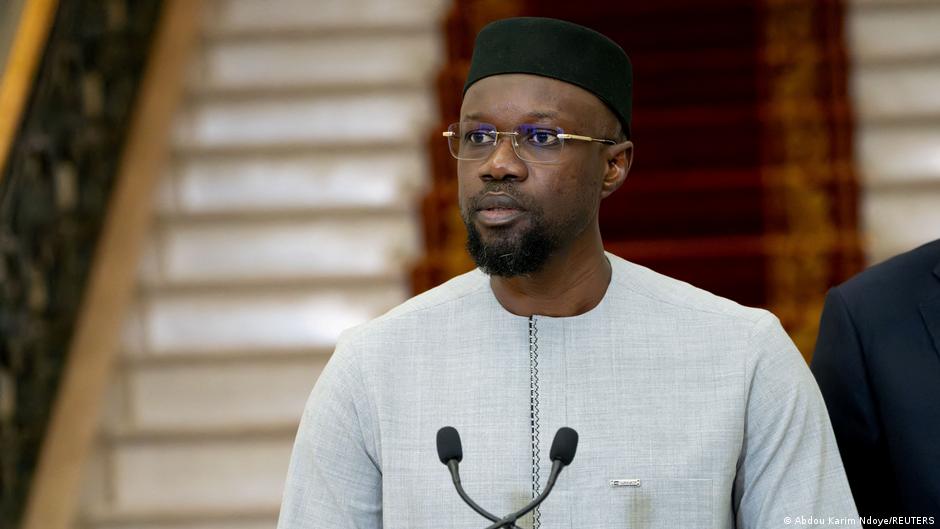
Ousmane Sonko acknowledged the council’s decision in a public statement, framing it as an inevitable consequence of institutional checks and balances. Meanwhile, allies of President Faye praised the ruling, asserting that it reinforced the rule of law and the separation of powers. Dr. Binette Ndiaye, coordinator of the Citizen Forum, commended the council for upholding constitutional integrity, arguing that the reform process lacked sufficient inclusivity and dialogue.

Ndiaye stated, “As a member of civil society, I believe this decision is commendable. Initially, the proposed changes lacked broad consultation and consensus-building. It appeared as if a single political party was attempting to alter constitutional provisions without engaging other stakeholders. The council’s ruling reminds us that in a republic, even with a majority, decisions must reflect collective wisdom.”
A growing political divide
The council’s decision arrives amid escalating tensions between Sonko and Faye. Sonko, who was removed from the prime ministership in May, was subsequently elected as Speaker of the National Assembly—a role that has amplified his visibility and influence. However, his recent remarks about a “cohabitation” with the president have underscored deepening divisions within the ruling coalition. Political observers suggest that the council’s ruling may further destabilize the relationship between the two leaders, potentially reshaping Senegal’s political landscape for years to come.