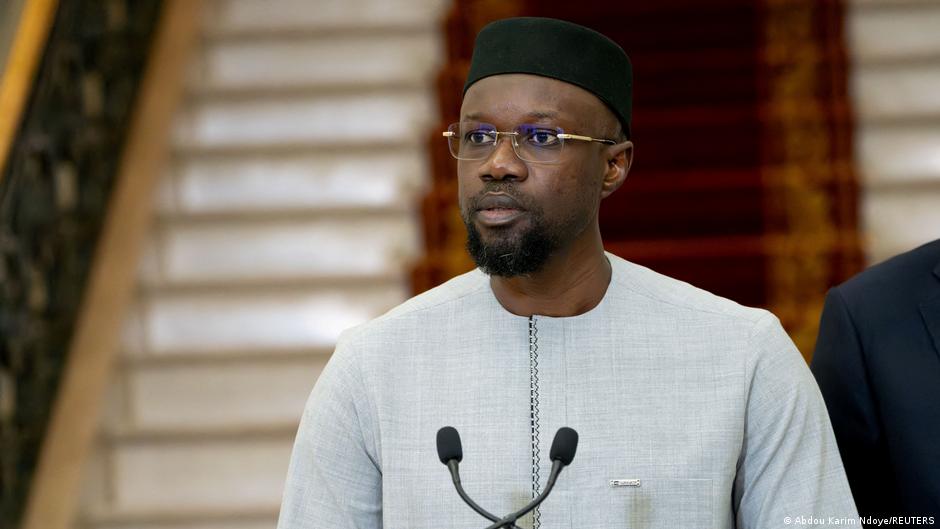
The Constitutional Council of Senegal has dealt a fresh blow to Ousmane Sonko’s ambitions by striking down the institutional reforms proposed by his party, PASTEF. The decision, delivered yesterday, Thursday, represents a major setback for the majority coalition led by Bassirou Diomaye Faye’s government.
The contested reforms, which aimed to rebalance institutional powers, were deemed unconstitutional by the Council. Two critical flaws were identified: the absence of a dedicated funding mechanism for the proposed Constitutional Court and procedural irregularities during parliamentary debates on government amendments.
Political fallout and constitutional safeguards
Adji Diarra Mergane Kanouté, former MP and leader of the USD/A party, emphasized that while the ruling invalidates the text, it does not permanently close the door on future revisions. She stressed the need for strict adherence to constitutional procedures, particularly regarding public expenditure provisions outlined in Article 82 of the Constitution.
“The Council’s decision confirms the unconstitutionality of the reform. However, this does not prevent the National Assembly from proposing a new revision, provided it complies with established procedures. The proposed law introduces significant public obligations, such as elections and the establishment of a Constitutional Court, which must be accompanied by compensatory revenue mechanisms, as mandated by the Constitution,” she noted.
The reforms also included provisions to expand parliamentary investigative powers, particularly in overseeing natural resource contracts. However, these measures were struck down alongside the broader constitutional changes.
Divisions within the ruling coalition
The political landscape in Senegal has grown increasingly tense, with growing rifts between Ousmane Sonko and President Bassirou Diomaye Faye. Sonko, who was removed from the Prime Minister’s office in May, has since taken up the presidency of the National Assembly. His recent public statements have framed the relationship with the President as one of cohabitation, signaling deeper disagreements over governance and reform priorities.
Dr. Binette Ndiaye, coordinator of the Citizen Forum, praised the Constitutional Council’s decision. “This ruling is a positive step toward ensuring institutional balance. While the reforms were intended to strengthen oversight, they lacked inclusivity and failed to reflect broader societal consensus. The Council’s intervention underscores the importance of constitutional adherence, even in the presence of a parliamentary majority,” she stated.
A defining moment for Senegal’s political future
The invalidation of the reforms comes at a pivotal juncture, as Senegal grapples with internal political divisions. Analysts warn that the Council’s decision could deepen existing fractures within the ruling coalition, potentially reshaping the trajectory of the country’s governance in the coming years. The outcome of this standoff may set a precedent for future institutional reforms and the balance of power between the executive and legislative branches.