Senegal’s constitutional council blocks pastef reforms, Sonko’s position weakens
July 10, 2026Constitutional council delivers a stinging rebuke
The Senegalese Constitutional Council has struck down a sweeping institutional reform proposed by the ruling Pastef party, dealing a significant blow to Ousmane Sonko’s political agenda. The Council ruled the reform unconstitutional, citing two critical irregularities: the absence of a funding mechanism for the proposed Constitutional Court and procedural violations during parliamentary debates on government amendments.
President Bassirou Diomaye Faye personally referred the bill to the Council, amplifying the significance of the decision. The reform, which aimed to rebalance institutional powers, had been swiftly approved by the National Assembly, where the ruling party holds a comfortable majority.
Political fallout and reactions
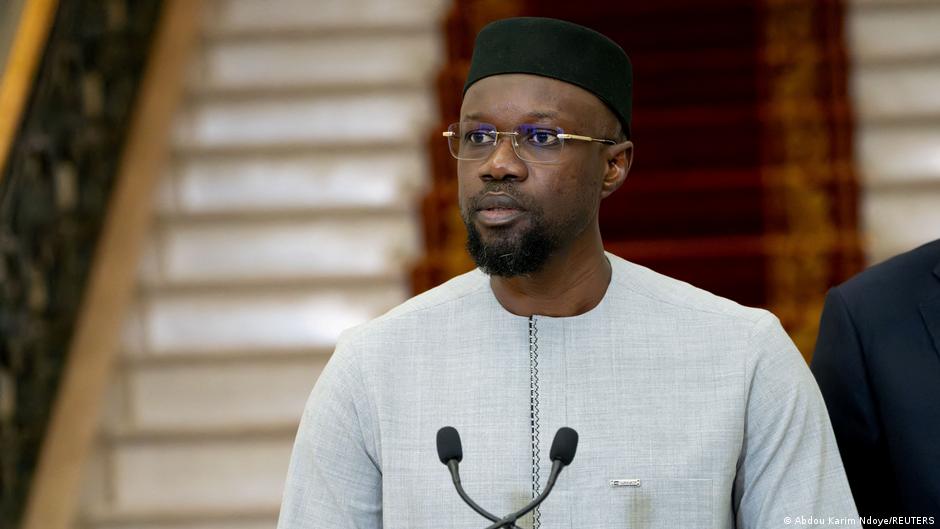
Ousmane Sonko acknowledged the Council’s ruling in a social media statement, signaling a rare moment of public acceptance of a setback. Meanwhile, the presidential coalition emphasized the strength of Senegal’s institutions and the need to continue reform discussions constructively.
Civil society voices, including Dr. Binette Ndiaye, coordinator of the Citizen Forum, praised the ruling. “As a member of civil society, I believe this decision deserves celebration. The process lacked inclusivity and appeared driven by a single political party without broad consultation. The Council has reminded us that even with a majority, governance must respect diverse perspectives.”
Adji Diarra Mergane Kanouté, former deputy and leader of the USD/A party, also weighed in, highlighting the legal nuances: “While the ruling effectively blocks this reform, it does not foreclose future legislative revisions—provided they comply with constitutional procedures. The bill introduced public spending commitments without corresponding revenue streams, violating Article 82, paragraph 2. Additionally, the Assembly’s refusal to apply the blocked vote procedure at the government’s request contravened Article 82, paragraph 4.”
Tensions rise between key political figures
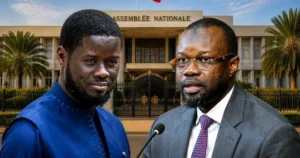
The Council’s decision arrives amid escalating tensions between Ousmane Sonko and President Bassirou Diomaye Faye. Sonko, who was removed as Prime Minister in May, has since assumed the role of National Assembly President. His public remarks, including references to a “cohabitation” with the president, underscore the growing divide within the ruling coalition.
Political analysts warn that this clash could reshape Senegal’s political landscape, with the reform’s failure serving as a flashpoint in the power struggle between the two leaders. The decision not only halts the proposed changes but also signals a potential shift in the balance of influence within Senegal’s government.