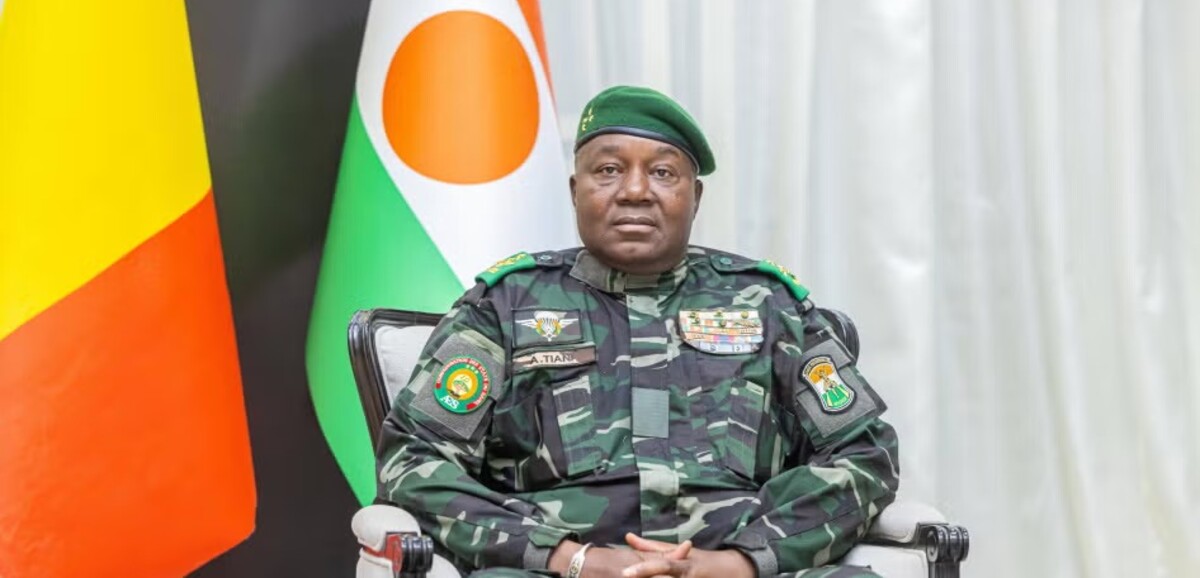
As Niger marks three years since the July 26, 2023 coup d’état, a leading international watchdog has issued a stark warning about the country’s deteriorating human rights landscape. Human Rights Watch has accused the military authorities of intensifying repression, systematically dismantling democratic safeguards, and deepening the nation’s human rights crisis.
Military crackdown erodes freedoms and silences dissent
In a scathing report released on July 23, Human Rights Watch highlights a deliberate campaign by the military-led government under General Abdourahamane Tiani to centralize power while systematically weakening democratic institutions. The organization points to the forced dissolution of opposition parties and independent unions, the suspension of numerous civil society organizations, and the detention of journalists as key markers of this authoritarian drift. Additionally, HRW condemns the criminalization of same-sex relationships, a move that further restricts personal freedoms in the country.
Political uncertainty and escalating insecurity fuel instability
The prolonged political transition, now stretching beyond initial timelines without a clear electoral roadmap, has compounded Niger’s challenges. Authorities have signaled their intention to remain in power for at least another five years, raising concerns about the erosion of accountability and transparency. Meanwhile, the security situation continues to deteriorate, with jihadist groups intensifying attacks across the region. Civilian casualties have surged, including a January drone strike that reportedly killed 17 people at a local market. Human Rights Watch has also criticized the government’s withdrawal from the International Criminal Court, arguing it removes a critical avenue for holding officials accountable for human rights abuses.