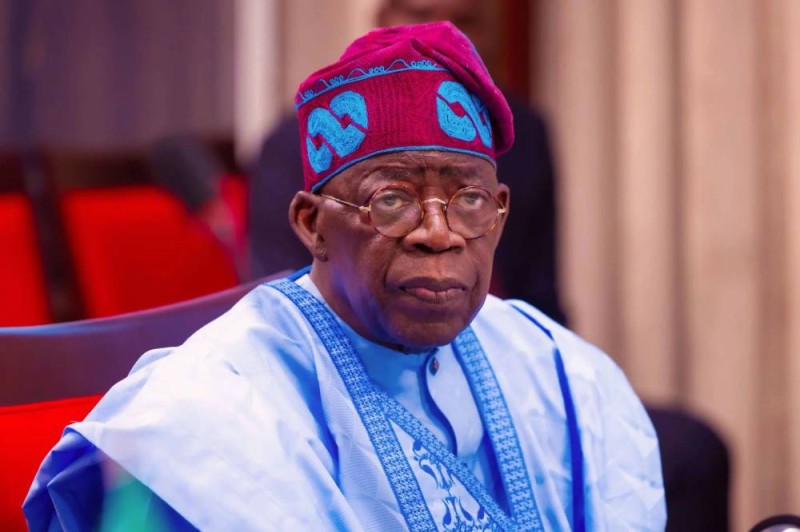
Nigeria tackles rising kidnappings amid regional security tensions
The Nigerian government is under mounting pressure as a surge in kidnappings grips the country’s northern regions, coinciding with heightened diplomatic tensions with neighboring nations. Speaking to traditional leaders on July 30, President Bola Ahmed Tinubu suggested that some of the recent insecurity plaguing Nigeria’s north could be linked to cross-border terrorist elements. These remarks drew an immediate response from the Alliance of Sahel States (AES), with Burkina Faso’s foreign minister, Karamoko Jean-Marie Traoré, emphasizing in an August 7 statement that the Burkina Faso, Mali, Niger, and Nigeria face a shared enemy in combating terrorism and banditry.
The diplomatic exchange unfolded against a backdrop of escalating violence. Earlier this month, authorities rescued over 300 abducted individuals from the dense forests of Kainji Lake National Park. Victims included residents from Kwara State and other communities in Niger State. Days prior, at least 52 people, including children, were kidnapped in Kasuwar Daji, Zamfara State, according to local accounts.
Understanding the security crisis in Nigeria’s north
The surge in kidnappings reflects a broader security challenge that transcends Nigeria’s borders. Armed banditry, jihadist violence, and cross-border criminal networks have created a volatile environment in the country’s northwest, north-central, and northeast regions. While the federal government highlights improved coordination among military, police, and intelligence agencies, the persistent wave of abductions continues to test Abuja’s response.
In response, Nigeria’s government is advancing a major policing reform that would decentralize security operations. The initiative, proposed by President Tinubu and approved by the House of Representatives, aims to establish a dual policing system: a federal police force to handle national security threats and state-level police units to address localized crimes such as kidnappings and armed assaults. Proponents argue that this approach would enhance ground-level intelligence, enable faster responses, and improve community engagement in high-risk areas.
Balancing decentralization with accountability
While the reform seeks to empower state governors—who are often held accountable for local security—it also raises concerns about potential misuse of authority. Critics warn that without strict oversight, state police forces could be manipulated for political ends or lead to conflicts with federal agencies. The government must implement robust safeguards to prevent abuses while ensuring seamless collaboration between federal and state security structures.
Regional cooperation remains critical
The AES’s response to Tinubu’s remarks underscores the necessity of transnational cooperation. Terrorist groups and criminal syndicates operate fluidly across borders, exploiting gaps in security and governance. For Nigeria, this means that while domestic reforms are essential, they must be complemented by stronger partnerships with neighboring countries in the Sahel. A unified regional strategy—combining intelligence sharing, joint military operations, and coordinated border security—is vital to dismantling the networks fueling kidnappings and violence.
As Abuja moves forward with its policing reforms, the challenge ahead is clear: balancing local responsiveness with national unity and regional solidarity to restore stability across Nigeria’s troubled northern territories.