The backlash grows as Niger’s emergency fuel rules take effect
Public frustration is swelling across Niger as the government’s latest emergency measures to tackle a worsening fuel shortage take force. The sweeping restrictions, which include overnight closures at gas stations and a ban on jerrycan sales, are sparking sharp debate over who really bears the cost of these emergency actions.
How the rules are reshaping daily life in Niger
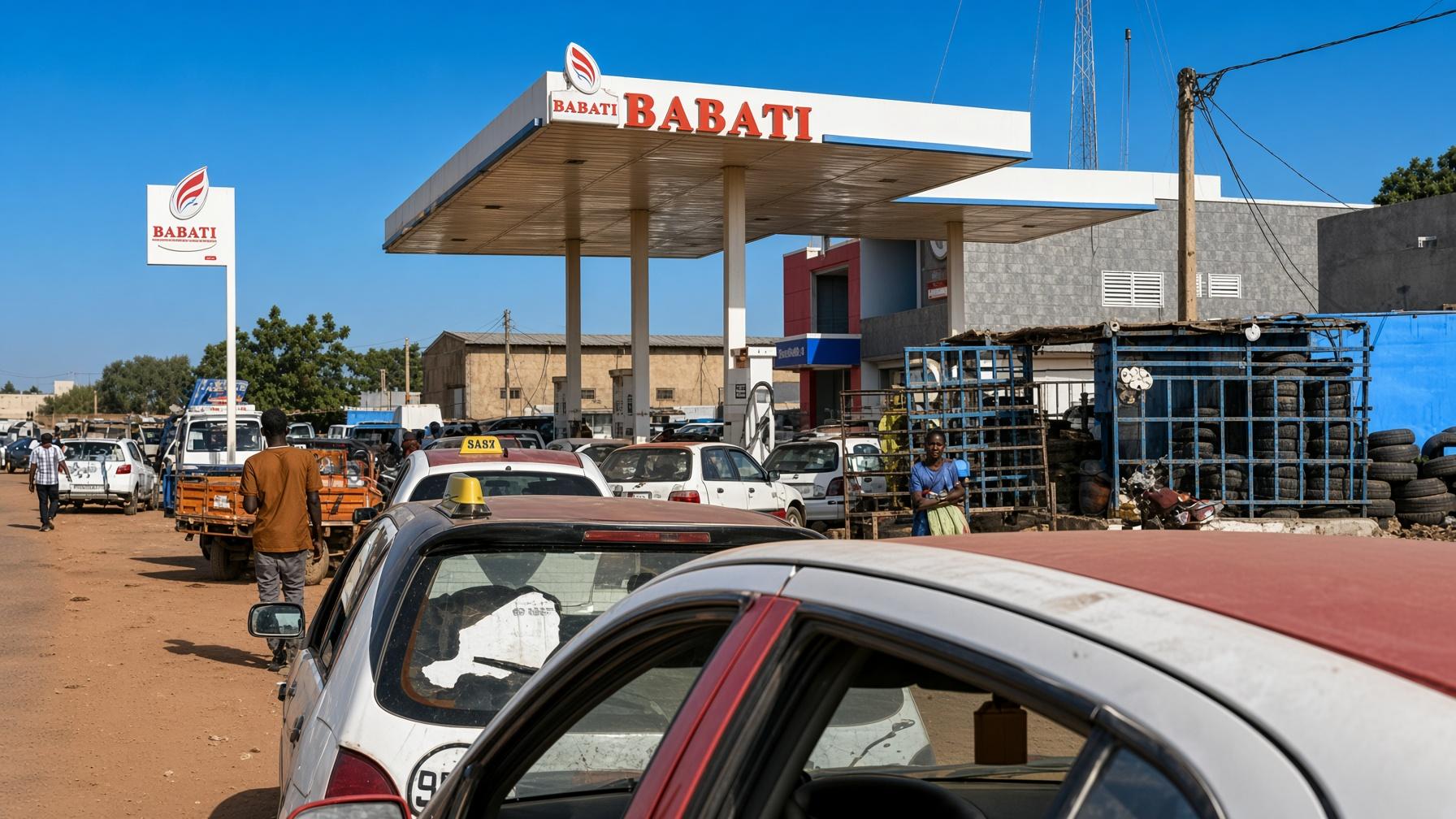
The new policy, jointly issued by the ministries of Interior, Petroleum, and Commerce, forces most fuel stations to shut down between 9 p.m. and 6 a.m. The stated goal is to prioritize deliveries by the state-owned Nigerien Petroleum Company (SONIDEP), freeing up logistics during the night for faster unloading. Yet in practice, the move is expected to create serious bottlenecks during peak morning and evening hours, with long queues forming under intense heat as drivers rush to refuel.
While officials point to a plan to designate select stations for overnight emergencies, details about how these will operate — including their actual capacity and accessibility — remain vague. Drivers and commuters are left wondering whether these exceptions will be meaningful or just another layer of complication.
Crackdown on informal fuel trade sparks deeper tensions
The crackdown extends beyond operating hours. The government has now prohibited the sale of fuel in jerrycans and other non-standard containers in any town with a formal fuel station. Officials argue that the black market, driven by small vendors and resellers, fuels artificial scarcity and price gouging.
But critics say this ignores a harsh reality: in many areas, especially rural and underserved communities, informal fuel sales fill the gaps left by an unreliable official supply network. By banning jerrycan sales and deploying security forces to hunt down violators, the state is shifting the burden of the crisis onto ordinary citizens and small entrepreneurs — rather than fixing the root causes of the shortage.
Will tough measures solve the crisis — or make it worse?
Officials insist the measures are temporary and part of a ‘rationalized’ emergency plan developed in collaboration with SONIDEP, city leaders in Niamey, and regional authorities. They call on citizens to show ‘civic responsibility’ and adapt to a broken distribution system.
Yet without major reforms to the national fuel logistics network or clear commitments to expand storage and distribution capacity, these restrictions risk becoming a daily ordeal for motorists — while doing little to curb speculation or address the real structural weaknesses driving the shortage.
The coming weeks will reveal whether the government’s hard-line approach can restore stability or if it will deepen discontent — and further expose the fragility of Niger’s fuel supply chain.