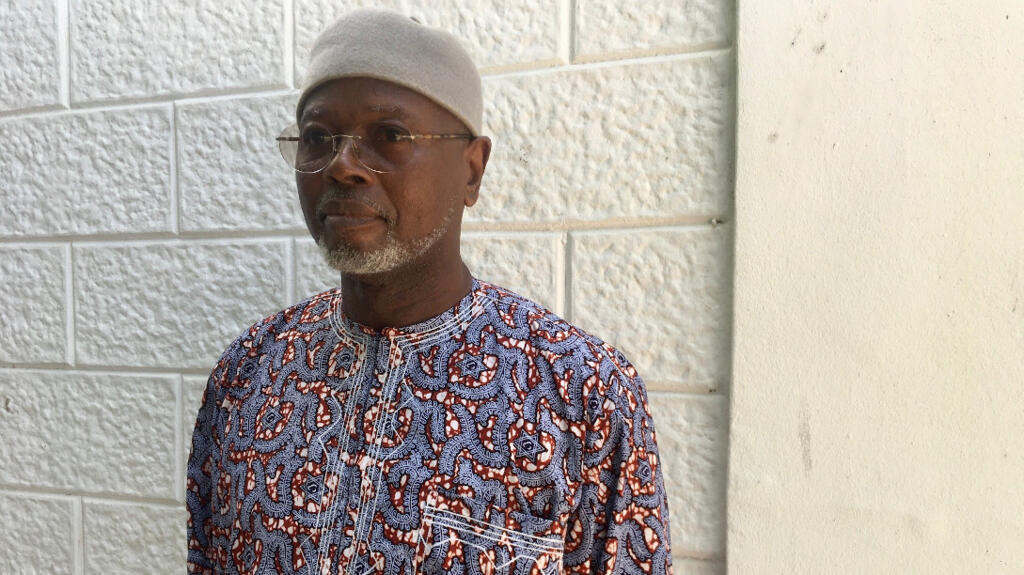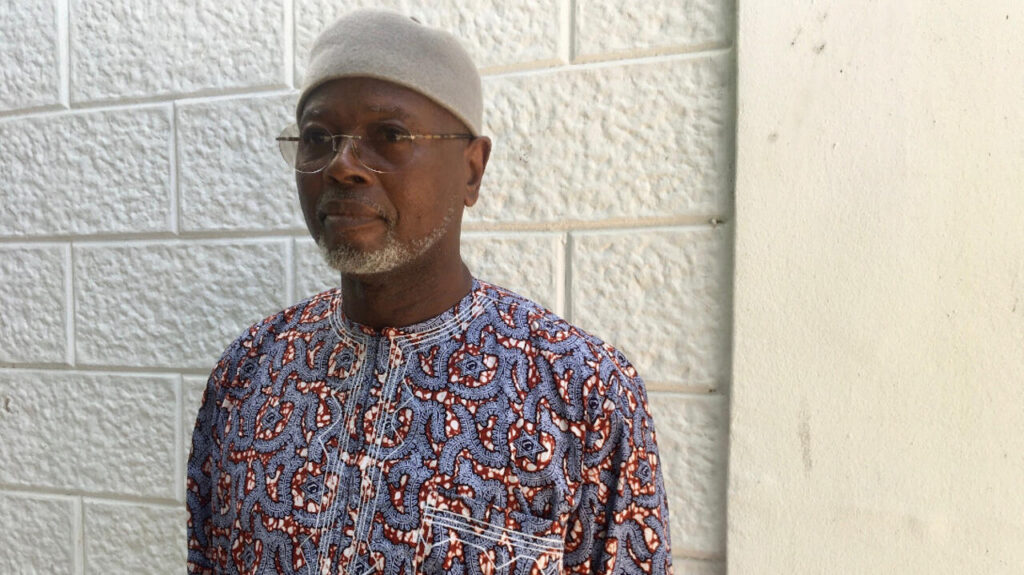
In a dramatic turn of events that has sent shockwaves across West Africa, the Nigerien journalist Moussa Kaka has been missing since August 31, igniting a firestorm of criticism over what observers describe as shocking indifference from African and international bodies. The situation has reached a critical juncture, with prominent human rights advocate Alioune Tine condemning the forced disappearance and demanding immediate action.
From silence to mobilization: The turning point in Kaka’s case
The disappearance of Moussa Kaka, a well-known voice in Niger’s media landscape, has become a rallying cry for press freedom advocates. Alioune Tine, founder of the Afrikajom Center and former UN human rights expert, has emerged as one of the most vocal critics of the apparent lack of response from regional and international organizations.
Tine’s frustration is palpable: “There is absolutely no justification for this arrest. The silence from African institutions and the international community is deafening and unacceptable.”
What the law says versus ground realities
Legal experts and human rights organizations have pointed out that forced disappearances violate international law, particularly the International Covenant on Civil and Political Rights and the African Charter on Human and Peoples’ Rights. Yet, the absence of a coordinated response from bodies like the African Union and ECOWAS has raised serious questions about their commitment to protecting journalists and upholding democratic values in the region.
- No official explanation: Authorities in Niger have not provided any credible information about Kaka’s whereabouts or the reasons behind his detention.
- International law violations: The prolonged detention without charge or access to legal counsel appears to contravene multiple international human rights conventions.
- Media freedom at risk: The case has sent a chilling message to journalists across West Africa, where press freedom has been steadily eroding.
Why this case matters for African democracy
The implications of Moussa Kaka’s disappearance extend far beyond his personal situation. It strikes at the heart of democratic governance, media freedom, and the rule of law in a region already grappling with political instability and security challenges.
Alioune Tine emphasizes that this case is not isolated: “When journalists are silenced, it’s not just their voices that are suppressed—it’s the truth, accountability, and the very foundations of democracy.”
Calls for justice grow louder
As the days pass without answers, the pressure on African leaders and international bodies is intensifying. Civil society organizations, media watchdogs, and even ordinary citizens are demanding:
- A transparent investigation into Kaka’s disappearance.
- The immediate release of all detained journalists in Niger.
- A stronger stance from African institutions against human rights violations.
- Concrete measures to protect press freedom in West Africa.
What happens next?
The coming weeks will be crucial in determining whether Moussa Kaka’s case will become a turning point for press freedom in Africa—or another example of impunity. With Alioune Tine and other advocates refusing to back down, the momentum for justice is building. The question now is whether African leaders and international bodies will finally act, or continue to turn a blind eye to a crisis that threatens the very soul of the continent’s democratic values.