One in five people in the Sahel faced hunger in 2025
The latest global report on food security and nutrition paints a dire picture for Africa, particularly the Sahel. In this region, one in five people suffered from hunger in 2025, with alarming trends worsening over the past 15 years.
Why is food insecurity deepening in the Sahel?
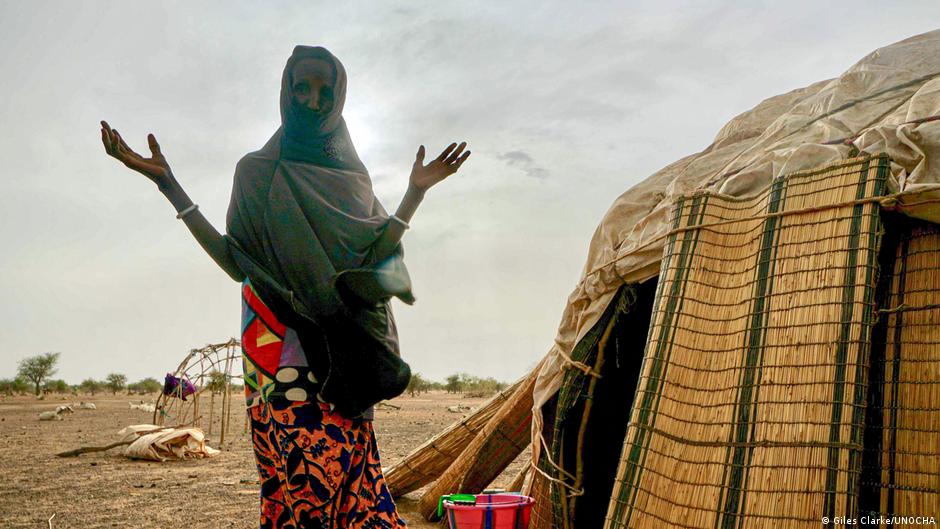
Fanta Touré Diop, Regional Representative for West and Central Africa at the NGO Action Against Hunger, highlights multiple factors driving this crisis. The Sahel’s humanitarian landscape has deteriorated significantly due to escalating conflicts, which restrict access to food and essential services. These tensions have forced millions to flee their homes, creating a growing population of internally displaced persons and refugees.
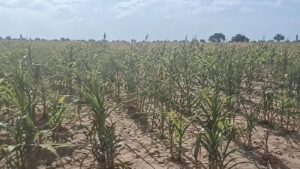
Climate change compounds these challenges. Erratic weather patterns, prolonged droughts, and unpredictable rainfall have devastated agricultural yields, leaving communities vulnerable to food shortages. Additionally, a severe funding shortfall has crippled humanitarian responses, leaving governments and aid organizations struggling to meet the escalating needs.
Northern Mali: A crisis within a crisis
Northern Mali remains the epicenter of this emergency. Violence and insecurity have displaced hundreds of thousands, pushing families toward southern cities like Bamako and Sikasso. The combination of conflict and climate shocks has pushed food insecurity to critical levels, with malnutrition rates climbing sharply.
Touré Diop emphasizes the urgent need for coordinated action. “The situation demands a unified response from Malian authorities, international organizations, local civil society, and the UN,” she stresses. “Only through collaboration can we address the needs of those affected by this multifaceted crisis.”
Funding gaps threaten lifesaving interventions
Despite the growing needs, financial resources are drying up. Action Against Hunger has suspended over 50 projects across 20 countries, including Chad, due to reduced funding. The consequences are severe: 57 million people in West and Central Africa—including 24.3 million in the Sahel—now require urgent food and protection assistance.
To meet these needs, regional actors estimate a funding gap of $3.7 billion. Yet, as of now, only 21% of this amount has been secured. This shortfall leaves 11.3 million women and children at risk of malnutrition, with communities across the Sahel paying the price.
What must African leaders do to reverse the trend?
Touré Diop underscores the importance of political leadership in combating food insecurity. “Strong governance and reliable data are the foundation of effective planning,” she explains. “Governments must prioritize long-term solutions that address both immediate hunger and the root causes of vulnerability.”
As the Sahel’s crisis deepens, the call for action grows louder. Without urgent intervention, the region risks further destabilization, with devastating consequences for millions.